 look news india

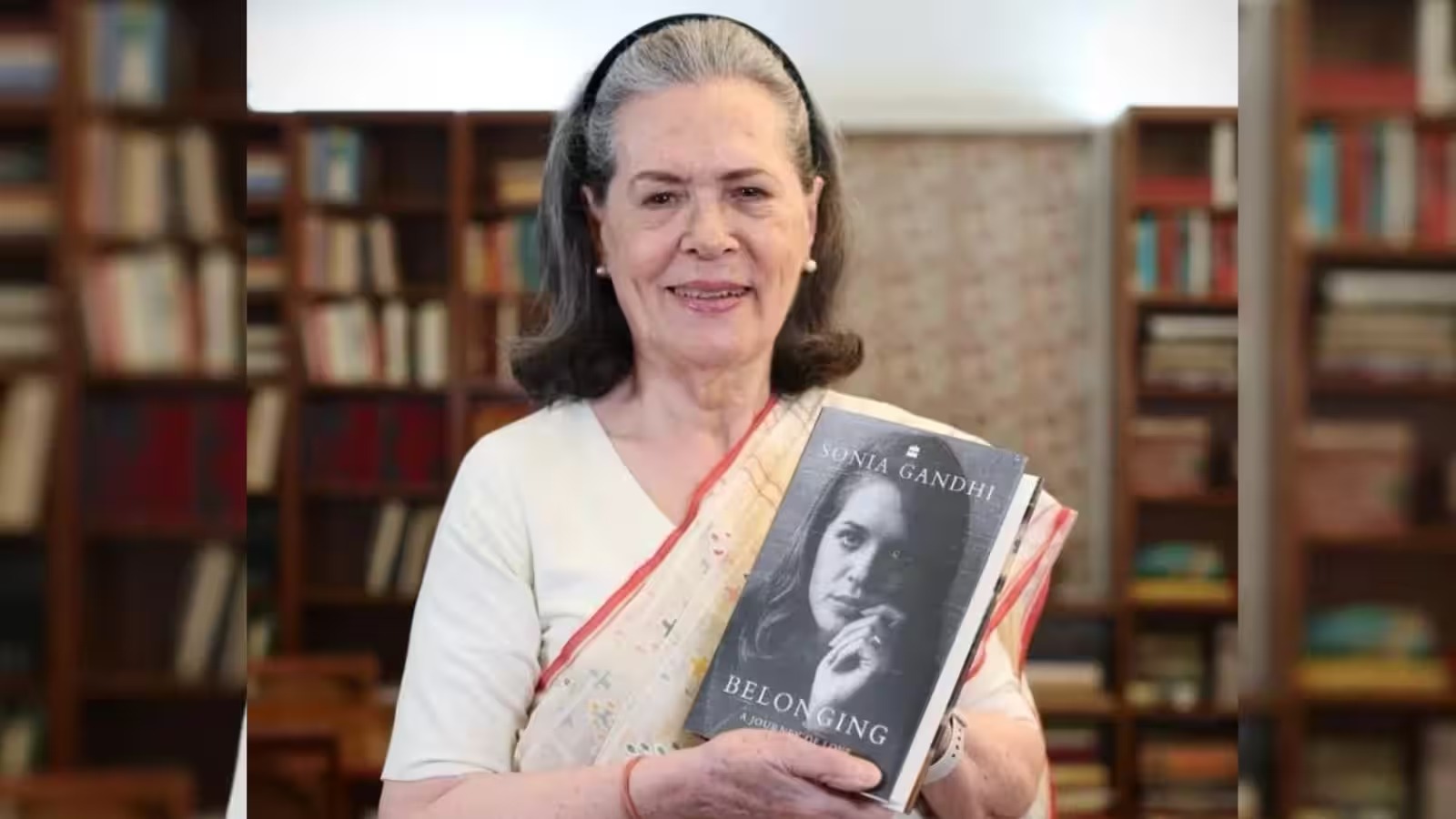
There have been many revelations from time to time in the corridors of Indian politics regarding the equations and power struggle within the Congress Party, but recently the statements related to Sonia Gandhi’s autobiography or her political memoirs have once again revived old memories and political debates. The discussion has intensified in political circles whether during the year 2010, the country’s veteran leader and former President Pranab Mukherjee had a strong desire to become the Prime Minister. Those observing high-level developments and decisions within the Congress party point out how during the tenure of the UPA government, there was an unspoken balance between political ambitions and administrative responsibilities among the people at the top of power.
Political events of the year 2010 and the role of Manmohan Singh
The year 2010 was a period of great upheaval and policy decisions in terms of Indian politics. At that time, Dr. Manmohan Singh was the Prime Minister of the country and his government was pursuing its second term (UPA-2). According to Sonia Gandhi’s political memoirs and insider stories of that period, Pranab Mukherjee was known as one of the most experienced, skilled strategists and trouble-shooters at both the party and government levels. As Finance Minister and Leader of the House in the Lok Sabha, Pranab da had a huge stature within the party. In such a situation, whenever there were speculations about the post of Prime Minister or the top leadership of the government, Pranab Mukherjee’s name came to the forefront, due to which it became common to discuss in political circles whether he wanted to take charge of the country.
The equation of power within the Congress party and the decision of the top leadership
Political analysts believe that the then Congress President Sonia Gandhi and the power equations within the party had always given priority to the stability of the party. The decision to retain Dr. Manmohan Singh as the Prime Minister was a conscious political decision of the top leadership of the party, a major reason behind which was his clean image and understanding of economic reforms. However, despite a strong leader like Pranab Mukherjee having significant influence in the party and the government, many internal strategies have been discussed within the Congress regarding his not getting the post of Prime Minister and later his journey to reach the highest constitutional post of the country i.e. Rashtrapati Bhavan.
Impact of these revelations on Indian politics and significance of political history
These memoirs and political revelations of Sonia Gandhi not only throw light on the history of that period of the Congress Party, but also show how challenging a task it is to run a coalition government. Veteran leaders like Pranab Mukherjee, who handled many important ministries of the country in his long political career and steered the party through all the difficult times, have always been considered to be above the boundaries of the party. After these political discussions came to light, once again the debate has started as to how the ambition of Pranab da, known as Chanakya of Indian politics, to become the Prime Minister was suppressed due to the internal decisions of the party and the circumstances of the time.