 look news india

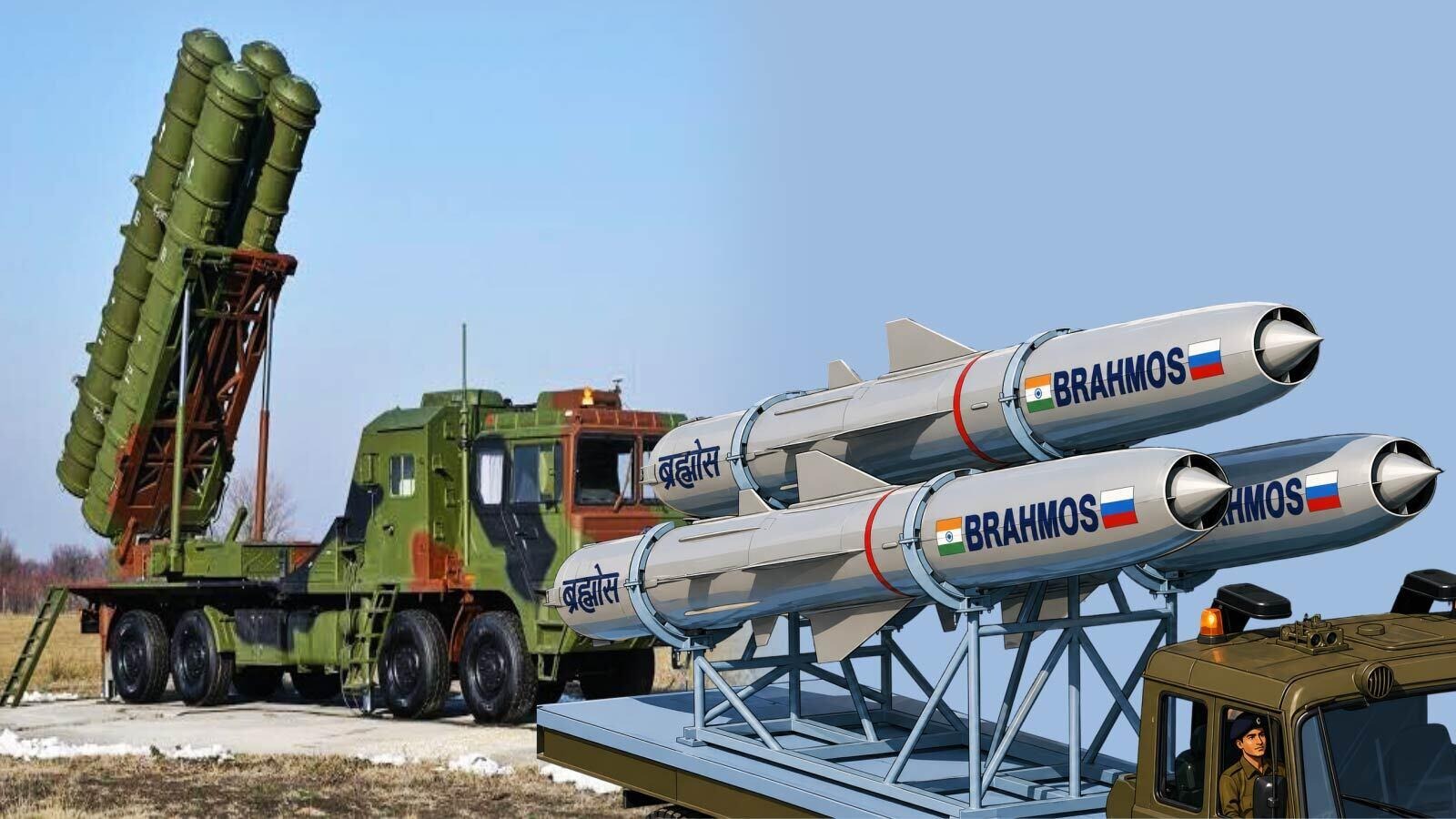
Amidst the ongoing tension in the South China Sea and regional security uncertainty, the deadly Indian-made BrahMos missile has proved its mettle on the global defense stage. In a high-level internal simulation and wargame exercise conducted by the Philippine Marine Corps, a BrahMos supersonic cruise missile successfully penetrated the modern air defense shield of a hypothetical Chinese naval fleet and hit the target accurately. The air defense models of front-line warships such as the Chinese Navy’s most advanced Type 052D guided-missile destroyer and Type 054A frigate proved completely unsuccessful in stopping the attack of this supersonic missile. While the extraordinary results of this wargame have given a new height to the confidence of South-East Asian countries, it has also increased the strategic concerns of Chinese military strategists and President Xi Jinping in Beijing. This missile, developed by a joint venture between India and Russia, has the capability to destroy heavy enemy ships in the sea in the blink of an eye.
India’s military technology in the Indo-Pacific region has once again surprised the world. The Chinese Navy’s advanced multi-layered air defense network was challenged in this secret simulated exercise conducted by the Philippine Marine Corps. In the wargame simulation, China’s lethal warships, including Type 052D destroyers and Type 054A guided-missile frigates, could not match the high velocity and low-flying capability (sea-skimming) of the BrahMos missile. Attacking at supersonic speeds of Mach 2.8 to Mach 3.0 (about three times faster than the speed of sound), the BrahMos gave Chinese defense systems no opportunity to respond. After the results of this simulation came out, Philippine defense experts believed that the Indian BrahMos missile system has proved to be a game-changer for their coastal security and maritime sovereignty.
The Philippines is carrying out strategic operations in collaboration with the US Marine Corps to make its coastal defenses impenetrable. Ground missile batteries were joined by Hermes unmanned aerial vehicles (UAVs) and advanced surveillance drones during joint military exercises held in the disputed areas of North Luzon and the South China Sea. In this network-centric warfare, drones tracked the exact location of enemy ships hidden in the distant sea and transferred the data directly to the BrahMos launcher deployed on the coast. Under the historic $375 million (approximately Rs 3,000 crore) agreement with India in the year 2022, the Philippines has received three BrahMos missile batteries, of which the first coastal battery has been fully operational and deployed in service.
The Philippines is rapidly strengthening its strategic capabilities to counter China’s unilateral claims over disputed islands in the South China Sea and sensitive areas such as the Second Thomas Shoal. The deployment of the Indian-made BrahMos missile system has effectively curbed Dragon’s aggressive expansionist policy. The news of the collapse of the Chinese fleet’s air defense system in simulated war exercises has created a stir in the Chinese People’s Liberation Army Navy (PLAN). Defense analysts believe that after this successful test, Vietnam, Indonesia and other ASEAN countries may also turn to Indian weapon systems, which will further strengthen the influence of Make in India in the global defense market.