 look news india

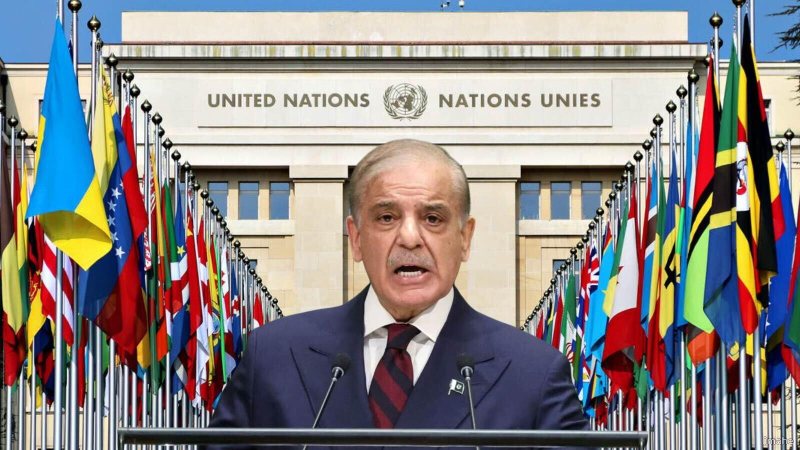
Diplomatic maneuvering has always been going on at international forums, and this time during the meeting of the United Nations Human Rights Council (UNHRC) in Geneva, there has been a sharp confrontation between India and Pakistan over water issues. Regarding a new resolution passed in the Human Rights Council, Pakistan has termed it as its biggest diplomatic victory. This proposal specifically discusses cross-border water cooperation and the rights to safe drinking water. Pakistan has openly used this platform to make serious allegations against India regarding Indus Waters Treaty and shared water resources. This development is being considered very sensitive from the point of view of global diplomacy, because the water issue has been one of the main causes of tension between these two neighboring countries of South Asia for a long time. In this complete report, we will know what happened in Geneva and what is its geopolitical significance.
New resolution passed in Geneva and Pakistan’s stance
A draft related to the human rights to safe drinking water and sanitation was under consideration during the session of the United Nations Human Rights Council (UNHRC). During this discussion, Pakistan participated enthusiastically and tried to present its views against India on the global platform. Pakistani representatives claimed in Geneva that in the case of transboundary water resources, upstream countries should not use water as a diplomatic pressure or weapon. Pakistan’s argument was that where rivers and water resources are shared, responsibilities should also be shared. Pakistani diplomats stressed that in this era of climate change and water crisis, no country should be allowed to violate the human rights of the people of 下游 countries through unilateral decisions. Pakistan is promoting this entire development as a major success in its diplomatic circles, due to which the issue of Indus Water Treaty has once again come into the center of discussion at the international level.
India and Pakistan clash over cross-border water cooperation
The biggest controversy behind this entire diplomatic incident was over the inclusion of the words ‘trans-boundary water cooperation’ in the proposal. According to diplomatic sources, India had strongly opposed the use of a forum like the Human Rights Council to raise or exert pressure on bilateral treaties, particularly the Indus Water Treaty. India has always had a clear stand that technical and bilateral issues like the Indus Water Treaty should be resolved through mutual dialogue and not politicized at UN human rights fora. Despite this, Pakistan has called it a victory as the points related to trans-border water cooperation remained in the final resolution. Experts believe that Pakistan wanted to use this platform to draw the attention of the global community towards its water security and the ongoing deadlock in agreements with India, so that international pressure could be created.
Indus Water Treaty and its possible impact on regional geopolitics
The Indus Water Treaty signed between India and Pakistan in 1960 is counted among the most successful water-sharing treaties in the world, but for some time now there has been increasing tension between the two countries over amending it and incorporating modern realities. Due to problems like climate change, increasing population in river valleys and uncontrolled groundwater exploitation, there has been a continuous demand to adapt this treaty to modern times. In such a situation, the coming of such proposals in the name of human rights on a global platform like UNHRC and Pakistan using it to put pressure on India brings a new twist in regional diplomacy. However, India remains steadfast in its diplomatic position and strongly rejects any external pressure or unnecessary international interference on any bilateral technical agreement. In the coming days, it will be interesting to see how this incident in Geneva affects the diplomatic dialogue and future meetings between the two countries.