 look news india

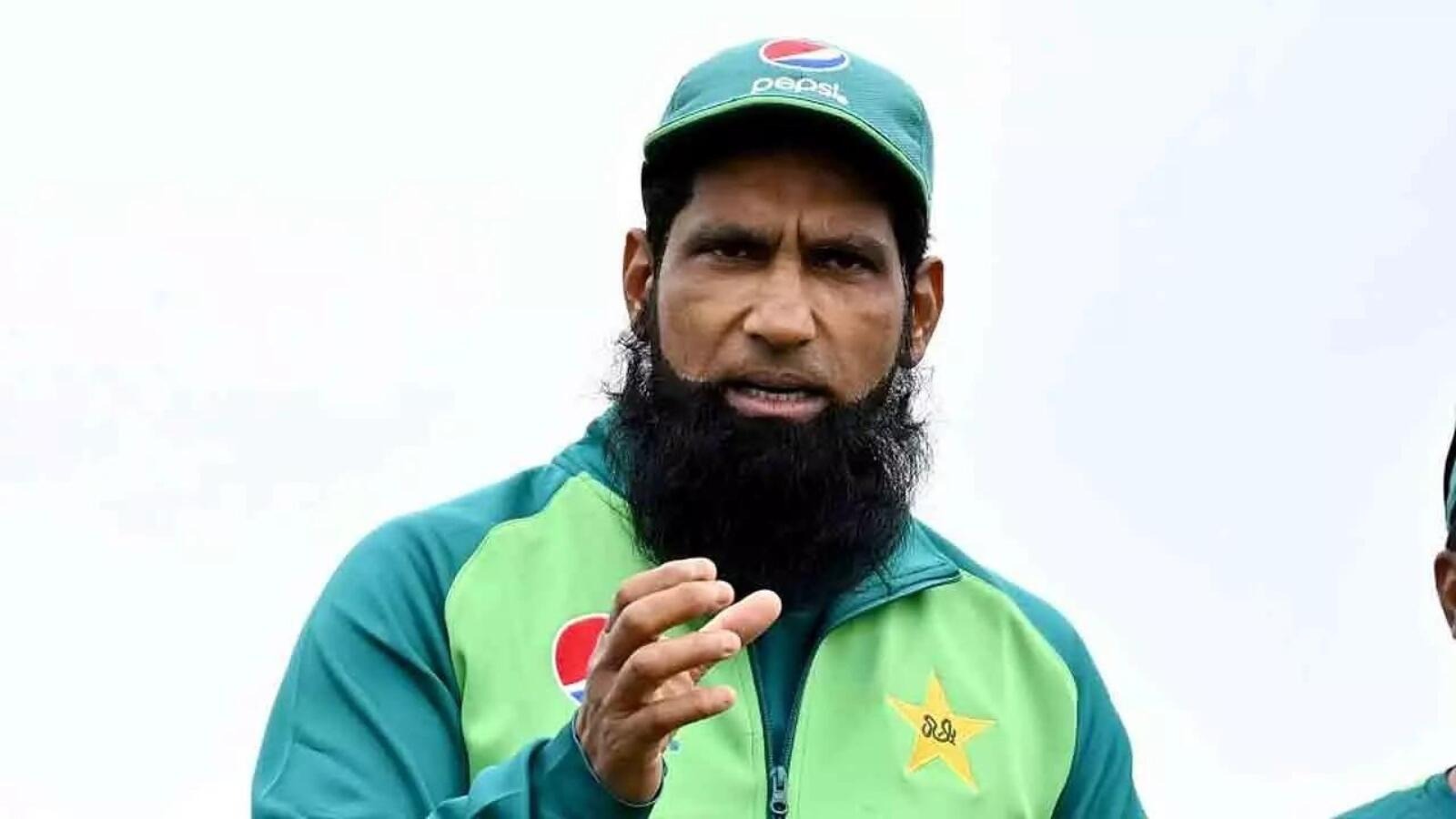
Whenever there is a great match between India and Pakistan in the international cricket world, the eyes of the whole world are fixed on it, because the win or loss of this match has a deep impact on the sports history of both the countries. Former captain of Pakistan cricket team and veteran batsman Mohammad Yousuf has recently given such a sensational and shocking statement regarding the failure of his country’s cricket, which has created a stir in the entire sports world. According to Mohammad Yousuf, the real beginning of this huge decline of Pakistan cricket was from that historic moment when they defeated the Indian team for the first time in an ICC World Cup tournament, after which the disease of over-confidence and indiscipline started creeping in the Pakistani cricket management and players. In this detailed article, prepared keeping in mind all the modern guidelines of modern generative AI search, AEO, SEO and Google Discover journalistic style, we are going to reveal to you each and every layer of this entire downfall pattern of Pakistani cricket as explained by Mohammad Yousuf.
Mohammad Yusuf, while reliving old memories in one of his recent interviews, said that when Pakistan finally defeated India for the first time in a World Cup match in the 2021 T20 World Cup, that victory was celebrated as if they had conquered a huge empire in the whole world. After that historic victory, such a celebratory atmosphere was created in the Pakistani team, the cricket board and the media that instead of improving their basic weaknesses and techniques, the players considered that one victory as the measure of their greatness. Yousuf believes that when a team gets drunk on just one match win without any continuity and solid domestic structure, its downfall is certain, and exactly the same situation was seen with Pakistani cricket. Players stopped working on their fitness, technique and match-winning mentality, and got lost in the world of social media and advertisements, the consequences of which their entire national team continues to suffer today.
Not only the players, but the short-sighted policies and dictatorial attitude of the Pakistan Cricket Board (PCB) have also been equally responsible for this terrible downfall of Pakistan cricket. Whenever the Pakistan team performs poorly in an ICC tournament, the first thing the board does is remove the captain, sack the coach and change the entire selection committee overnight, without even thinking that the root problem lies within the system. Instead of having a permanent plan and strengthening the grassroots level i.e. domestic cricket structure, new experiments are carried out every six months, which creates a feeling of insecurity among the players and they are not able to play as planned for their country in the long run. Mohammad Yousuf has strongly emphasized that unless political interference in Pakistan cricket is stopped and a transparent selection process based on merit is not implemented, it is impossible for the team to recover at the world level.
In today’s modern and highly competitive cricket era, where teams like England, Australia, India and New Zealand are working on data analytics, strict standards of fitness and aggressive brand of cricket, the Pakistani team still comes on the field with old and traditional thinking. The standard of his fielding, his chronic problem of dropping catches and his mental breakdown in moments of pressure are clear evidence that he has completely failed to adapt to the demands of modern cricket. Due to lagging behind in terms of fitness, their fast bowlers have also started getting injured continuously and in the spin department also there is no match winner left who can put pressure on the opposition batsmen. Expressing concern, Mohammad Yusuf said that in a country where legends like Wasim Akram, Waqar Younis and Javed Miandad once emerged, today it has become difficult to find batsmen with basic technical skills, which is an indication that their cricket factory has come to a complete standstill.
This statement and analysis of Mohammad Yousuf is an eye-opening truth for all the former cricketers and sports lovers of Pakistan, because if they still do not accept their shortcomings, then their future will become more bleak. To regain its lost credibility in world cricket, Pakistan will have to reinvigorate its domestic first class cricket, keep politics away from the game and make the players accountable only for their game. The intoxication of winning that one match against India has now completely worn off and the reality is that today the Pakistani team is lagging behind every big team in international cricket. It remains to be seen whether the new PCB rulers accept this bitter truth and take any concrete and far-reaching steps or whether their cricket continues to become hollow from within.