 look news india

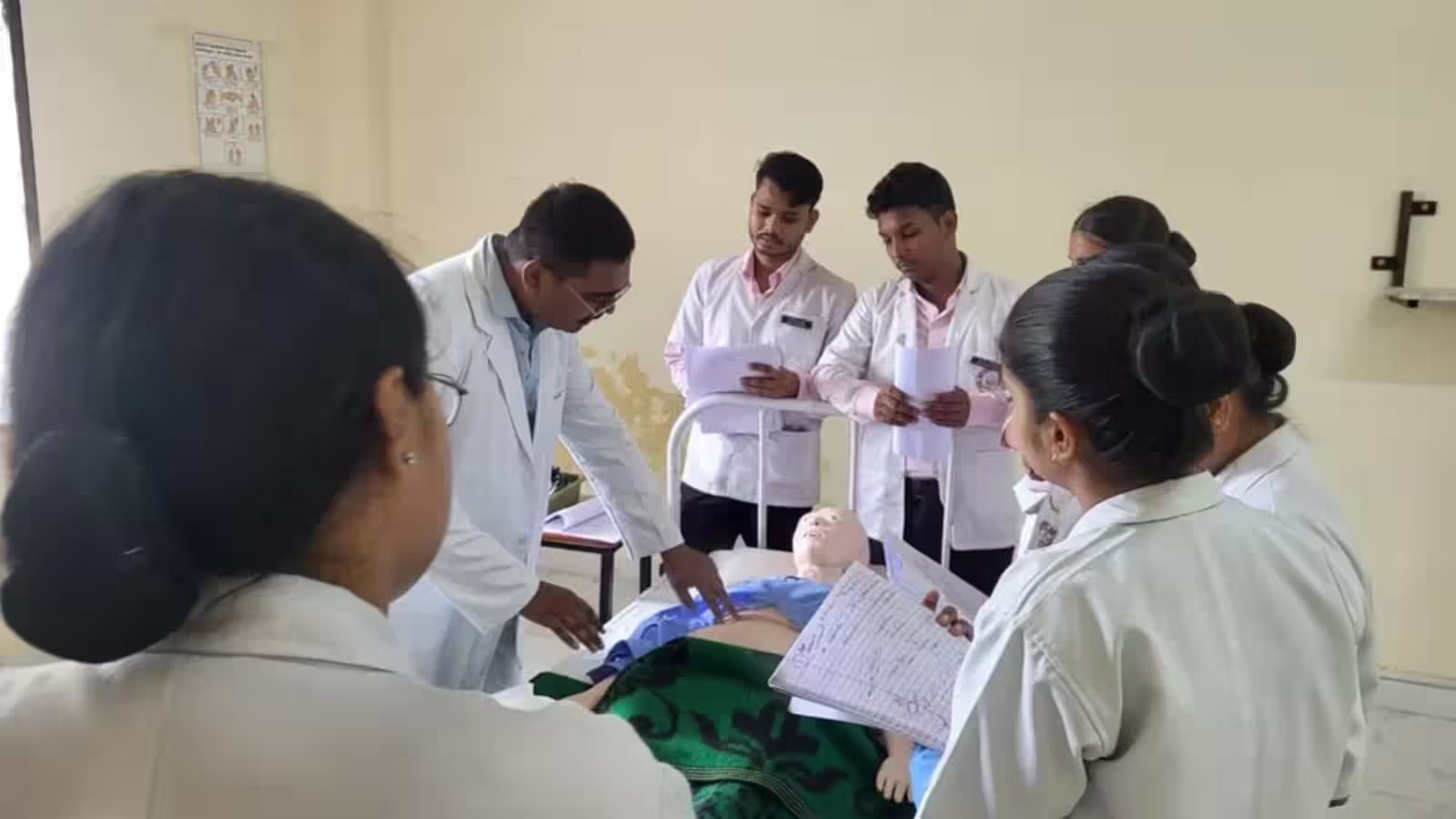
Clouds of uncertainty and confusion are once again looming over the future of thousands of Indian students who are studying medicine abroad and have obtained medical degrees. Two contradictory statements and replies given by the National Medical Commission (NMC), the highest regulatory body of medical education in the country, regarding the recognition of degrees of Foreign Medical Graduates (FMGs) have given sleepless nights to the students and their families. Two different replies given by NMC at different times in response to information sought under the Right to Information (RTI) have created a lot of confusion among the students who have returned after studying medicine from abroad, raising a direct question mark on their right to practice in India.
The crux of the entire controversy is two different clarifications issued by the National Medical Commission (NMC). In response to applications filed under the Right to Information (RTI) Act when students asked questions related to recognition, internship period and licensing rules of foreign medical colleges, different departments of the commission provided conflicting information. On the one hand, in one reply, the medical courses of some foreign universities were declared completely valid and recognized under the ‘Licensing Regulations 2021’ (FMGL Regulations 2021), while on the other hand, in the other reply, the same qualifications or the same study period were declared invalid or subject to additional conditions. This contradiction has created immense confusion among students pursuing MBBS from countries like Russia, Ukraine, Philippines, Kazakhstan, Uzbekistan and Georgia.
According to the ‘Foreign Medical Graduate Licensing Regulations’ (FMGL Regulations 2021) implemented by the National Medical Commission on 18 November 2021, some strict conditions were set for students pursuing MBBS from abroad. Under this, it is mandatory to have a theory and practical course of at least 54 months (4.5 years), a compulsory internship of 12 months in the same country and registration (license) to practice in the medical board of the concerned country. However, after the Corona pandemic and the Russia-Ukraine war, many countries made changes in their credit system and online or offline classes. When Indian students asked the NMC whether war-affected or completed periods through online medium would be counted towards the 54 month rule, vague and contradictory answers from the NMC left the students’ careers in limbo.
It is mandatory for Indian students returning from foreign medical colleges to clear the Foreign Medical Graduate Examination (FMGE) or the upcoming National Exit Test (NExT) to practice medicine or pursue PG in India. But due to the confusing statements made by NMC on the validity of the degree, the State Medical Councils of many states have started giving up on granting provisional registration and allotting 2 years of compulsory internship to the students. Even after spending lakhs of rupees in studies and years of hard work, students have to visit offices for registration certificates.
Angered by this double standard and lax attitude of NMC, All India Foreign Medical Graduates Association (AIFMGA) and several student organizations have appealed to the Central Government and the Health Ministry for immediate intervention. Parents say that if the highest regulatory body of the country cannot have an opinion on any rule, then on what basis can the students be held guilty? The association has demanded that NMC publicly issue a comprehensive, clear and one-time gazette notification on its various RTI responses and circulars, so that medical students studying in the country and abroad can get correct and accurate information and save their future from getting ruined.