 look news india

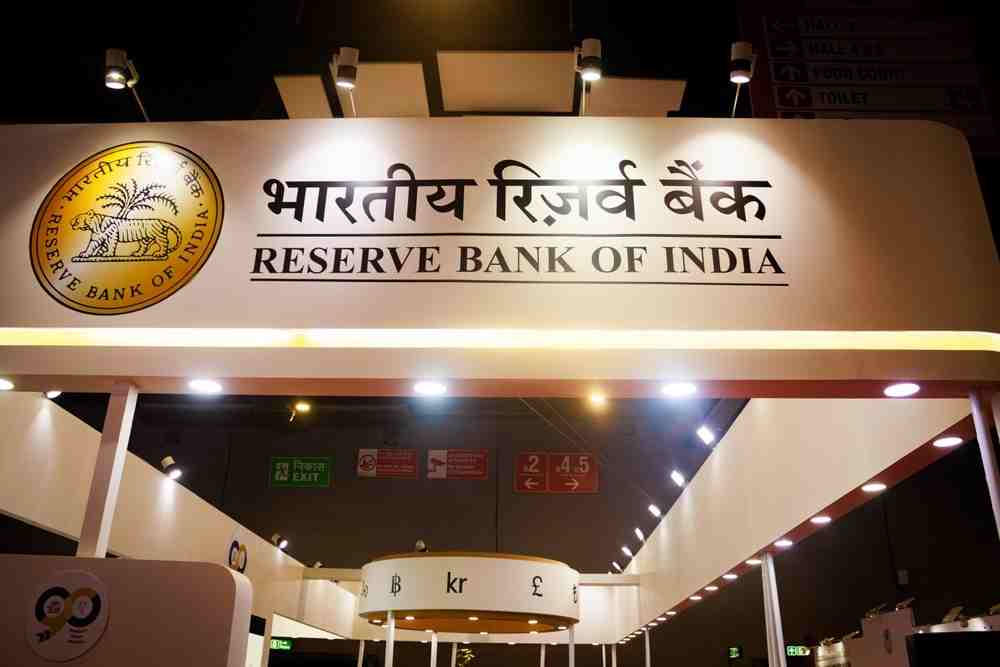
The Reserve Bank of India (RBI) has made important reforms in the rules related to loans and EMIs with the aim of protecting the interests of loan customers and curbing the arbitrariness of banks. It has often been seen that when repo rates or benchmark rates increase, banks extend the loan tenure by several years without the explicit consent of the customers or increase the EMI drastically. In many cases, the situation would reach ‘negative amortization’, where the EMI paid would be less than the total interest for the month and the principal balance would start increasing instead of decreasing. To eliminate these problems, the central bank has implemented strict and transparent guidelines regarding floating rate loans, tenure extension, switching to fixed rate and pre-payment charges.
Clear options on EMI and loan tenure reset
Under the new rules of RBI, now no bank or non-banking financial company (NBFC) can unilaterally extend the loan tenure if the interest rate increases. Whenever the benchmark rate changes, banks need to provide clear options to the customer:
-
Choosing to increase EMI or extend tenure: The customer will be able to decide whether he wants to increase his monthly EMI as per the increased rate or extend the loan tenure.
-
Partial Pre-payment Option: The customer will have the right to make a lump sum part-payment of some amount to maintain the loan tenure and EMI at normal levels.
-
Advance notice: Before implementing any change, it will be mandatory for the bank to give written or digital information to the customer about the revised EMI, number of installments remaining and the new effective interest rate (APR).
Complete freedom to switch from floating to fixed rate
To avoid uncertainty in the era of volatile interest rates, RBI has given the right to customers to switch from floating rate loan to fixed rate loan. Borrowers can convert their floating loan into fixed interest rate at decided occasions as per the policy approved by the Board during the entire tenure of the loan. For this, if banks charge any minimum administrative fee (Switching Charges), then its complete details must be recorded in advance in the first page of the loan agreement (Key Fact Statement – KFS).
Complete ban on pre-payment and foreclosure penalties
The RBI has imposed strict restrictions on the imposition of any pre-payment or foreclosure charges on floating rate retail loans—such as home loans and personal loans—taken for non-business purposes. If a customer prepays the loan from his savings or extra income or transfers the loan to another bank for a better interest rate, banks cannot impose any fine or penalty on him.
Quarterly statements and full transparency mandatory
Lenders have been mandated to send a simple and transparent loan statement to all their customers at the end of each quarter. This statement should clearly mention how much principal and interest has been repaid so far, how many EMIs are left, and what is the Annual Percentage Rate (APR) applicable on the loan. This will ensure borrowers have accurate information about their loan status and will completely prevent any indirect or hidden charges.