 look news india

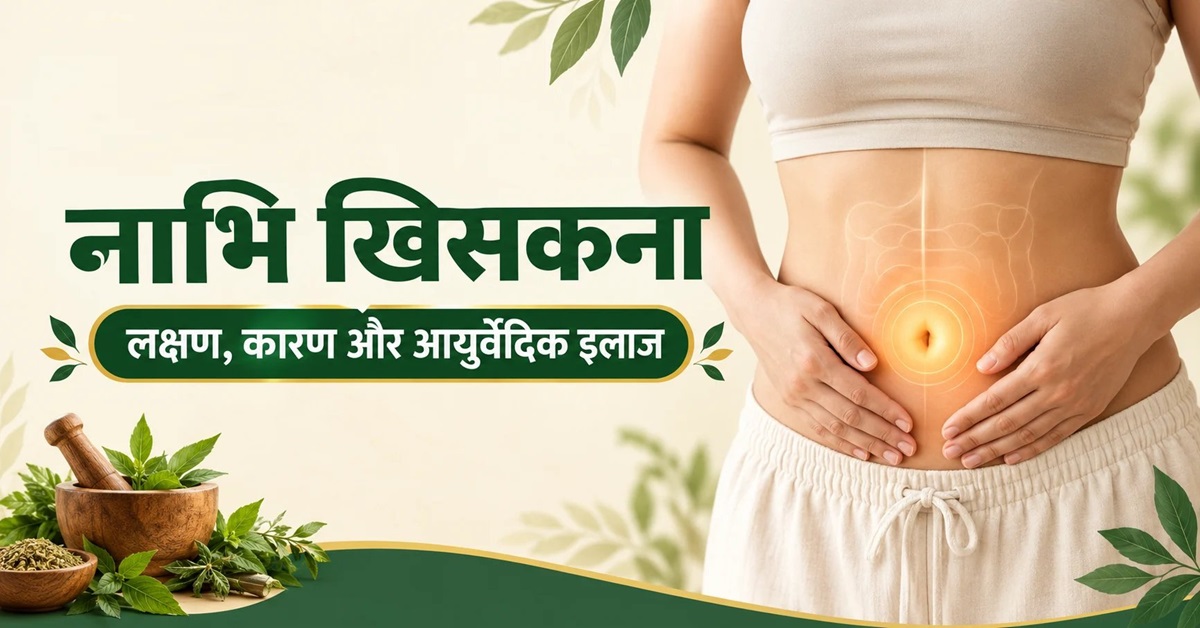
In Ayurveda and traditional Indian medicine, the navel is considered the energy center of the body i.e. ‘Navel Chakra’. In Sushruta Samhita and Charak Samhita, the navel has been called an important heart place (Sadya: Pranahar Marma), from where more than 72,000 nadis of the body are connected. When the navel moves up, down or sideways from its natural place, it is colloquially called ‘navel slip’, ‘navel fall’ or ‘naaf digna’. In modern medical science, it is linked to abdominal muscle strain, gastrointestinal dysfunction or neuro-muscular imbalance. As soon as the navel shifts, the digestive system is badly affected and the person has to face severe restlessness, stomach ache and digestive problems.
Depending on the direction in which the navel shifts, different symptoms appear in the body:
-
Upward shift of navel: When the navel shifts upwards in the direction of the chest, there are problems of acid reflux (burning sensation in the chest), shortness of breath, feeling like vomiting (nausea), nervousness, heaviness in the stomach and bloating.
-
Shifting of navel downwards: If the navel shifts towards the lower part of the abdomen or towards the intestines, the patient experiences frequent loose motions, thin stools, abdominal pain with cramps and frequent urge to defecate.
-
Shifting of the navel to the left or right: On moving from side to side, there is a sharp stinging pain in one part of the stomach, flatulence, chronic constipation and pain in the waist or lower back.
-
Common Symptoms: Feeling of weakness in the whole body, loss of appetite, mental restlessness and trembling in the legs.
The problem of muscle fall occurs due to sudden abnormal pressure on the muscles:
-
Suddenly lifting heavy weight: Leaning to one side or lifting heavy things suddenly in wrong posture can stretch the muscles around the navel.
-
Wrong footing: Sudden unbalanced jerk on one leg while running, climbing stairs or jumping.
-
Getting up or bending with a jerk: Waking up suddenly or turning forward abnormally after sleeping.
-
Excessive mental stress: According to Ayurveda, stress and anxiety aggravate Vata dosha, which causes the internal muscles of the stomach to contract.
-
Persistent irregular eating habits: Staying hungry for long days or suddenly eating very dry, stale and heavy food.
Whether the navel has shifted or not can be tested very easily at home:
-
Checking by pulse (navel pulsation): In the morning, lie down on flat ground on an empty stomach. Keep both legs straight. Gently place the thumb or middle finger of your right hand exactly in the center of your navel. If the navel is in the right place, you will feel a clear heartbeat-like pulse right in the middle. If this heartbeat is not felt in the middle but above, below or on any side, it means that the navel has shifted.
-
Toe examination: Lie straight on a flat surface and join both the legs together. See whether the toes of both the feet are in the same line or not. If the toe of one toe appears slightly smaller or larger than the other, this is a clear sign of a bunion collapse.
-
Checking by lines of hand: Join both the palms and match the heart line and the tips of the little finger. If the lines do not match each other exactly and appear forward and backward, then navel displacement is considered.
To bring the navel back to its place, the following measures should always be taken on an empty stomach:
-
Uttanapadasana: Lie straight on your back. Bring both the legs together and slowly lift them at an angle of 30 degrees from the ground. Stay in this position for 10 to 15 seconds and breathe normally. Then slowly bring the legs down. Repeat this 3 to 4 times.
-
Naukasana: While lying straight, inhale and raise the head, chest and legs together so that the shape of the body becomes like a boat. Feel the pressure on the navel. This asana is very effective in pulling the navel to the center immediately.
-
Pawanmuktasana: Bend one or both knees and bring them to the chest and hold them with your hands. This releases excess gas from the stomach and reduces muscle tension.
-
Shoulder and leg jerk: The navel is brought to the center by an experienced person by pressing the vein of the big toe or by giving a light shock to the foot.
-
Mustard Oil Massage (Nabhi Purana): Massage around the navel very gently with lukewarm mustard or sesame oil in a circular (clockwise) direction. Never rub the stomach forcefully.
-
Use of fennel and jaggery: Mix 10 grams of old jaggery in 10 grams of ground fennel and chew it on an empty stomach. It soothes the tension in the navel and provides relief from abdominal cramps.
-
Amla and Giloy powder: Consuming one spoon of Amla powder mixed with a little lemon juice and honey helps in curing internal swelling of the stomach.
-
Deepak and Lota Method (Traditional Vacuum Therapy): After lying flat, a round circle of wet flour is made on the navel, a small burning lamp is placed in the middle and a brass or steel pot is placed upside down on it. Due to the formation of vacuum, the pot pulls the navel muscles and establishes it in the center. (Note: This process should be done only by an experienced expert.)
Once the navel is in place, it is important to take care of a few things immediately so that it does not slip again:
-
Do not do any heavy work immediately after the navel is set and do not get up jerkily.
-
Immediately afterward, have light, easily digestible food (like thin mung dal porridge, porridge or buttermilk). Do not remain on an empty stomach for at least two hours.
-
Completely avoid lifting heavy weights, bending over to lift heavy buckets or running fast for at least 4 to 5 days.
-
If severe stomach pain, fever or persistent vomiting persists, do not ignore it and immediately get checked by a gastroenterologist/physician to rule out appendicitis, hernia or other internal infections.