 look news india

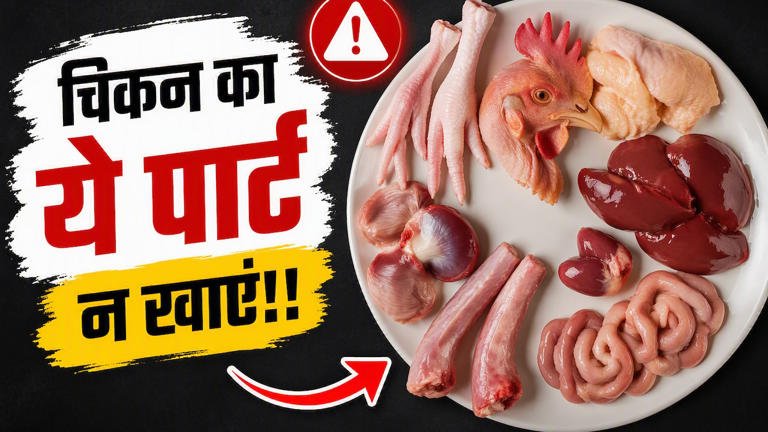
Chicken (chicken curry, roasted chicken, biryani or tikka) is the first choice of non-veg food lovers all over the world including India. Due to its high protein, low fat and delicious taste, everyone from fitness freaks to common people include it in their diet with great enthusiasm. In the non-veg streets from Delhi, Lucknow, Kolkata, Hyderabad to Mumbai, crowd gathers at chicken shops as soon as the evening falls. But in this journey of taste, 99 percent people remain completely unaware of the scientific fact that all parts of the whole chicken are not the same in terms of bacteria.
Many dangerous germs are naturally found in raw chicken. But due to the biological structure of the bird’s body and digestive system, there is a particular part of it where the concentration of bacteria is at the densest and deadly level. If even a little carelessness is taken while handling and cooking this part, it can cause acute stomach infection, vomiting, diarrhea and food poisoning that can send you to the hospital.
According to research by food safety experts, microbiologists and global health institutions (such as the US CDC and FSSAI), the most bacteria-rich part of chicken is ‘Chicken Skin’ and bird’s ‘Gizzards, Intestines & Liver’ It happens.
Especially when it comes to whole chicken, its Skin And Tail/Parson’s Nose The biggest hub of bacteria is considered to be:
-
Skin texture: Chicken skin has innumerable microscopic pores, folds and a sticky layer of fat. After the feathers are plucked, these pores open, where bacteria easily stick and do not come out even after washing with water normally.
-
Leakage of bacteria from the intestines: During slaughter in poultry farms and slaughterhouses, feces and digestive juices present in the bird’s gastrointestinal tract often come into contact with the skin and internal organs (especially the liver and gizzard).
-
Poultry Farm Environment: The dirt, feces and moisture of the floor on which chickens sit in the farm first stick to their skin, lower thighs and sensitive areas under the wings.
The two most deadly bacteria mainly grow in the skin and uncleaned parts of chicken:
-
Campylobacter: It is the world’s most common food poisoning bacteria found in raw poultry meat. It can cause severe stomach cramps, bloody diarrhea, high fever, and weakness that can last for several weeks.
-
Salmonella: This bacteria lives in abundance on the intestines and skin of chicken. It causes typhoid-like symptoms, intestinal ulcers and dehydration. It can prove fatal in children, elderly and people with weak immunity.
-
E. Coli and Clostridium: These germs can quickly spread throughout food through contact with undercooked chicken or a dirty cutting board.
It is a common belief in most of the houses that by bringing raw chicken from the market and scrubbing it under strong running water in the sink, all the bacteria gets cleaned. But according to food safety science, this is the most dangerous practice.
-
Danger of water splash: When you wash raw chicken (especially the skin-on part) under the sink tap, microscopic particles (aerosols) of the water droplets fly around within a radius of 2 to 3 feet.
-
Spread of bacteria in utensils: These water splashes stick to clean utensils kept around the sink, cutting boards, knives, drinking water and raw salad lying on the slab. This is called ‘Cross-Contamination’.
-
Washing does not kill the bacteria that have entered the pores of the chicken, rather they spread throughout the kitchen. Scientific advice is to prepare raw chicken for cooking by placing it directly on a clean chopping board rather than washing it under the tap, as bacteria are killed only on high heat.
To enjoy chicken safely and nutritiously, follow these basic food safety rules:
-
Prefer skinless chicken: If possible, always buy skinless chicken. Removing the skin automatically removes 70 to 80 percent of surface bacteria and excess unhealthy saturated fat.
-
Deep cleaning of internal organs: If you prefer to eat chicken liver or gizzard, thoroughly clean them separately with lukewarm water and vinegar/lemon solution before cooking and ensure that there is no waste left in them.
-
Internal temperature of 75°C: Bacteria are destroyed only at high temperatures. Cook the chicken thoroughly until the internal temperature reaches at least 74°C to 75°C (165°F). The meat inside should not look pink or sticky at all.
-
Separate chopping board and knife: Use a separate plastic or steel chopping board to chop raw chicken. Never cut salad, fruits or green vegetables with the same knife or board.
-
Deep washing of hands: Wash your hands thoroughly with soap and lukewarm water for at least 20 seconds immediately after touching raw chicken.