 look news india

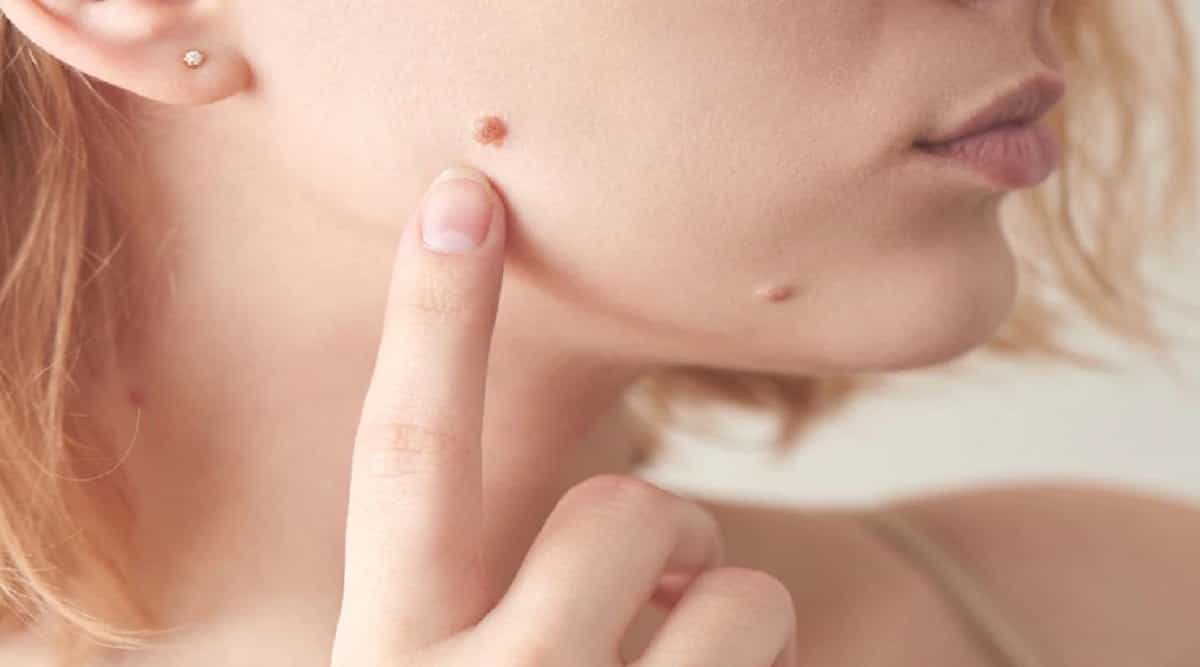
It is a very common thing to have small marks or bumps on the skin of our body, which we all call moles and warts in common language. Often people assume that moles and warts growing on the body are similar skin problems, and due to this misunderstanding, many people start adopting home remedies without thinking or try to remove them on their own. But according to experts in medical science and dermatology, there is a world of difference between a mole and a wart. Their structure, causes of their occurrence, their effect on the body and even the methods of their removal are completely different from each other. If they are not identified correctly in time or carelessness is taken in their treatment, then it can prove to be dangerous for the skin. In today’s detailed article, we will tell you the main difference between mole and wart, and will also give complete information about safe and scientific ways to get rid of them.
What are moles and why do they appear?
In medical language, moles are called ‘Nevi’. These are small, black, brown or skin-colored patches or bumps that form on the skin. Moles form when the pigment-producing cells in our skin, called melanocytes, gather in one place in the skin instead of spreading out as a group or cluster. Most moles are congenital or develop due to exposure to ultraviolet (UV) rays of the sun during childhood and adolescence. Usually, moles are completely flat and flattened, although some moles may become slightly raised over time. Most moles around the world are completely cancer-free and harmless, but if there is a sudden rapid change in the size, color or boundaries of a mole or it starts bleeding, it can be an early sign of skin cancer (melanoma), on which a doctor should be consulted immediately.
What are warts and why do they spread on the body?
On the other hand, warts are small, rough and granular growths on the skin. While moles are caused by internal pigment cells, warts are caused by a viral infection. When human papilloma virus (HPV) enters the body through a small cut or scratch in the skin, the skin cells start growing rapidly and take the form of a wart. Warts are contagious, which means they can spread easily from one part of the body to another or from one person to another. It is usually raised, rough and shaped like a cauliflower. It is very common to have warts on the face, neck, hands, fingers and soles of feet. Although they are not life-threatening, they look unsightly and can sometimes cause pain or a stinging sensation when touched.
The main and obvious difference between mole and wart
To easily identify moles and warts, it is very important to understand their physical form. The first and foremost difference is that moles are the result of internal pigmentation and are smooth, flat or slightly raised, whereas warts are rough and flaky bumps caused by viral infections. The second major difference is that moles do not spread from one place to another or to other parts of the body, whereas due to exposure to the HPV virus, moles rapidly increase their number on other parts of the body. The third difference is that moles are usually painless and do not cause any itching or sensitivity, whereas some types of warts, especially plantar warts (those on the soles of the feet), can cause severe pain and discomfort while walking.
Dangerous mistake of removing them yourself without doctor’s advice.
Many people, following social media or hearsay, try to remove the mole or wart by themselves by cutting, tying, pricking with a needle or using various types of dangerous acids and chemicals. This method can be very risky for your skin. Doing so can cause a deep and permanent scar on the skin, spread a serious infection, and if the mole or wart turns into a serious health problem, the situation can worsen. Therefore, never try to remove them with sharp objects at home. If these are bothering you, it is always wise to consult a qualified dermatologist.
Modern methods of removing moles and warts by medical science
In today’s time, many modern and painless techniques are available in medical science and cosmetic dermatology to remove moles and warts, which eliminate them from the root without any major incision. The most popular technique among these is ‘Laser Removal’, in which the cells of the mole or wart are destroyed through laser beam and there are very few or no scars left. Apart from this, ‘Cryotherapy’ is also used, in which the wart is freeze-dried by extreme cold of liquid nitrogen, due to which it automatically forms a scab and falls off. In the electrocautery method, they are removed by burning them using mild thermal energy or electric current. For small warts and moles, minor surgical excision is done and these are removed safely by applying stitches.
Simple ways to protect your skin and prevent them
To stay safe from skin related problems like moles and warts, it is very important to include some basic precautions in your daily routine. Always use good quality sunscreen lotion while going out in the sun so that the harmful rays of the sun do not damage the pigment cells of the skin. Avoid sharing your personal towels, razors, clothes or soap with others, as the HPV virus is easily spread this way. Always keep your skin clean and hydrated. If you notice any unusual change in the shape, color or texture of a new mole or wart on your body, then get yourself examined by a good dermatologist without any delay, so that proper and safe treatment can be done in time.