 look news india

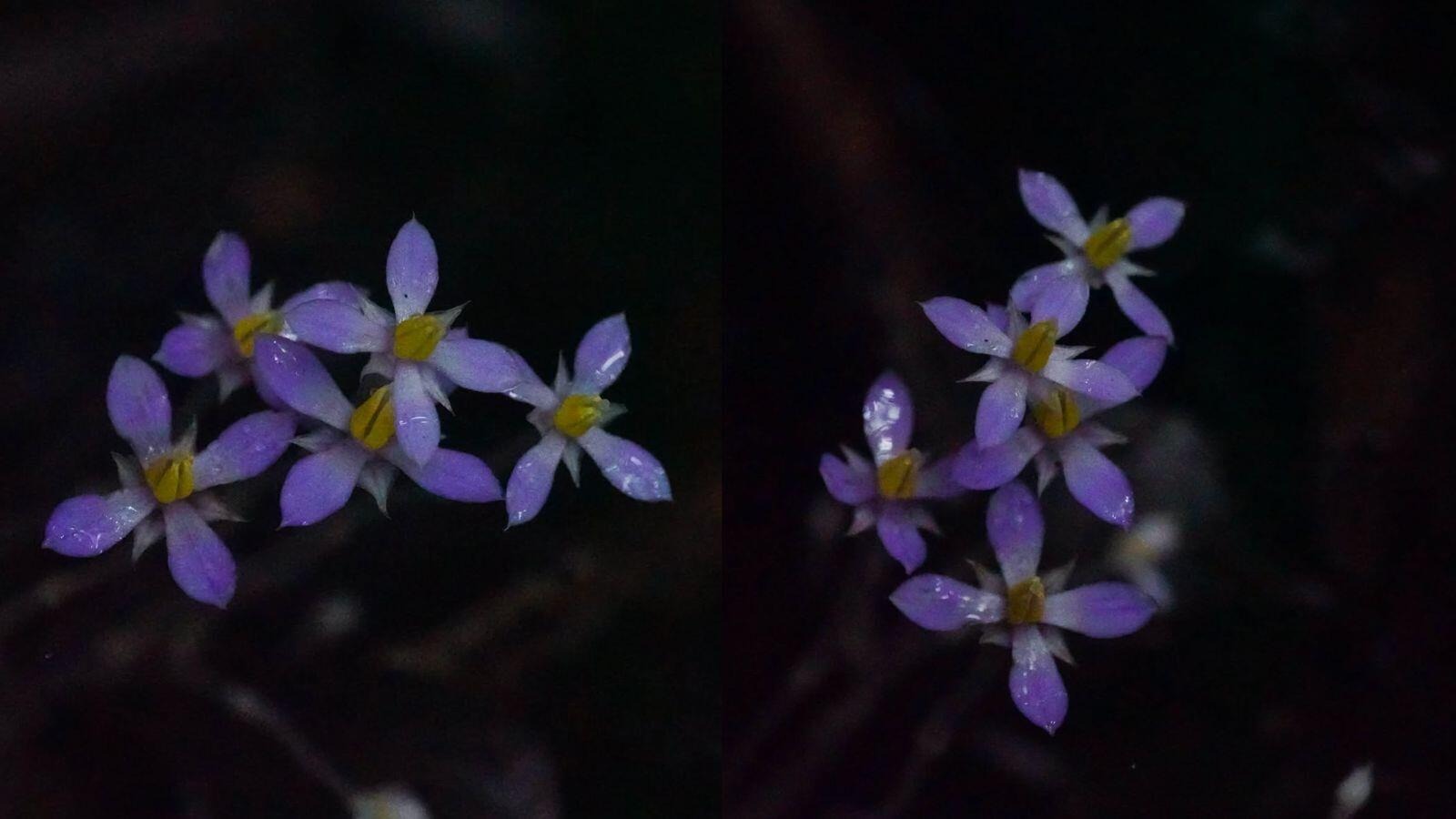
There was an unprecedented stir in the world of biology and vegetation when such an exciting news came out from the deep and dense forests of the Philippines that it forced scientists, nature lovers and botanists all over the world to sit tight. After a gap of almost 130 years i.e. more than a century, a rare and mysterious flower has bloomed again on the soil of the Philippines which was considered completely extinct or ‘lost’ in the scientific world. The name of this miraculous plant is Exacum Loeweri, whose discovery and reproduction has opened new dimensions in botanical research. The most surprising thing is that this unique plant does not depend at all on sunlight or photosynthesis for its life and nutrition, which presents a unique example that deviates from the established rules of nature. Since the rediscovery of this amazing plant in the native forests of the Philippines, teams of ecologists and researchers have been engaged in intensive study of it, and its news is spreading rapidly throughout the world.
If we look at the history of Exacum Loeweri, we find that this rare species was last documented by some foreign botanists during the colonial period about 130 years ago. Since then, due to continuously changing environmental scenario, indiscriminate deforestation, global warming and human interference, this plant had completely disappeared from its natural habitat. For decades, no trace of this plant was found in botanical surveys and scientific expeditions around the world, due to which the International Union for Conservation of Nature (IUCN) and other research institutions considered it to be on the verge of extinction. But recently, while patrolling an exclusive and protected forest area in the Philippines, a team of local researchers came across some unique plants whose flowers completely matched the old historical records. When these flowers were thoroughly examined through state-of-the-art DNA sequencing and laboratory testing, it was confirmed that this was the same ‘lost’ Exacum loheri flower that the world had said goodbye to centuries ago.
The biggest and scientifically most shocking feature of this plant is that it does not prepare its food from the sun’s rays. In general, most of the trees, plants and flowers in nature are completely dependent on photosynthesis for their survival and development, for which sunlight is considered essential. In contrast, Exacum loheri is a mycoheterotrophic plant, which draws its nutrition and energy directly from specific types of fungi and decaying organic matter present below the ground through its roots. Due to this unique ability to thrive in the dense shade and dark environment of the forest, it remains completely safe and alive even without sunlight. Scientists believe that this unique adaptation of nature is a living proof of how numerous and mysterious ways of sustaining life exist in the Earth’s ecosystem, about which human understanding is still in the initial stages.
The Philippines itself is one of the few countries in the world known for its extremely rich and unique biodiversity. The tropical rainforests here are home to many rare animals and plants that are not found anywhere else on Earth. The reappearance of Axum Loheri after 130 years is a clear indication that the forest ecosystem here is still able to maintain its natural state in some ways, even though it is under constant threat of climate change. After the discovery of this rare plant, local environmentalists and government conservation departments have taken the entire area under strict security cover so that this delicate plant does not get harmed due to illegal felling, smugglers or the movement of tourists. Scientists in botanical gardens and universities are now working on advanced techniques to preserve it through seeds and tissue culture so that this species can be protected for the future.
This entire incident is not just about finding a flower, but it is proving to be a big milestone in the field of modern scientific research and botany. Whenever a species thought to be extinct is found again, it gives scientists an opportunity to understand how animals and plants adapt or survive underground amid climate change and natural disasters. After this discovery, researchers from universities around the world are preparing research papers on this unique plant of the Philippines, which is revealing many new information about the evolutionary biology of plants and their nutritional system. In the coming days, this discovery will help in further strengthening environmental protection policies, thereby initiating new global efforts to save other rare and endangered species present on our planet.