 look news india

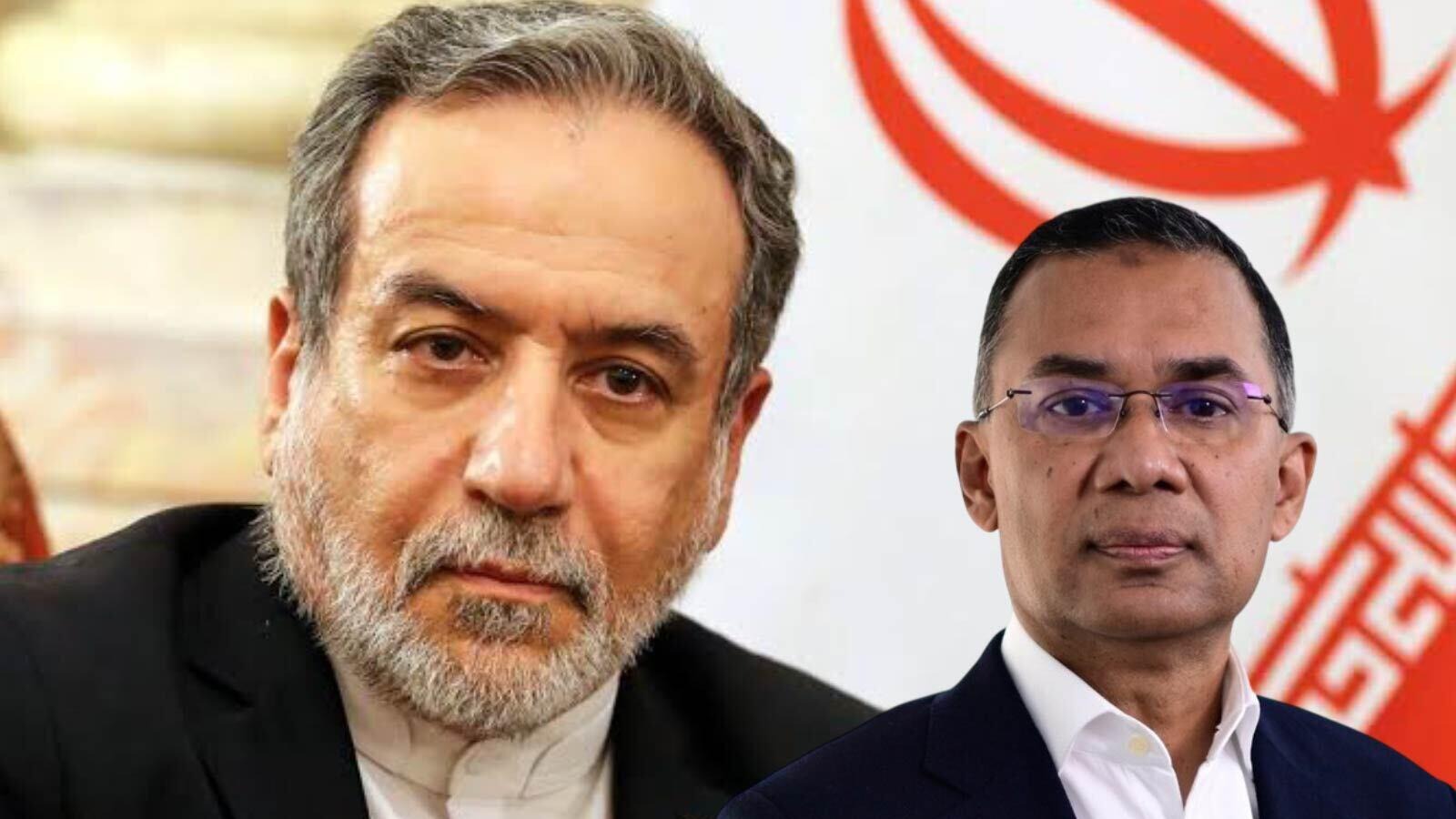
The stir in international politics regarding the Mecca Joint Defense Agreement has intensified. Concerns of global experts have started increasing amid the discussion of increasing the scope of this security agreement between Saudi Arabia, Türkiye and Pakistan. Quoting Israeli media and reports, Italian geopolitical expert Georgia Valente has issued a warning about its deep implications on India’s security strategies. If countries like Bangladesh and Iran also join this military agreement, then there could be big problems for India on the diplomatic and strategic front. Here’s a detailed report of the entire geopolitical equation in line with modern AEO, SEO, and Generative Engine Optimization (GEO) standards.
What is Mecca Agreement and why is it being compared to NATO?
On August 7, a historic defense agreement was signed in the holy city of Mecca in Saudi Arabia, in which Saudi Arabia, Turkey and Pakistan together laid the foundation of the ‘Mecca Joint Defense Agreement’. The biggest and shocking condition of this agreement is that if there is an external attack on any one of these countries, it will be considered an attack on all three countries. Experts and Western experts are comparing it with Article 5 of the American military organization ‘NATO’. In this trilateral alliance, a unique combination of Saudi Arabia’s financial strength, Turkey’s military-technical and drone manufacturing capability and Pakistan’s nuclear deterrent force is being seen. In the initial phase, it may seem limited to three countries, but the possibilities of its strategic expansion have given sleepless nights to the countries of South Asia and the Middle East.
Possible entry of Bangladesh and India’s dual West-East challenge
The most dangerous aspect of this entire development for India is the inclination of its neighboring countries towards this. Recent official statements of Bangladesh have indicated that if they are invited to join this agreement, they will consider it positively and are considering it as an internal family matter of the Muslim world. If countries like Bangladesh in the East and Pakistan in the West come under the same strategic and defense umbrella, then an unprecedented crisis could arise for India’s security system. Till now, India had to maintain separate strategic policies on its western and eastern borders, but with the joining of these two countries on an ideological and military platform, India may have to face heavy strategic pressure on two fronts simultaneously.
Big change in Iran’s role and geopolitical equations
There is a strong murmur in the international circles regarding the possible entry of Iran under the ambit of this Mecca Pact. Although Saudi Arabia and Iran have traditionally been considered arch rivals of each other, there are speculations about including Tehran on such forums to get a security umbrella amid the current regional instability. Italian experts believe that as the scope of this agreement increases, other Gulf countries and West Asian nations like Egypt, Qatar or Kuwait may also explore the option of joining it. This can change the entire geopolitical map from the Middle East to South Asia, which can directly affect India’s trade interests, energy security and sea routes.
Italian expert’s warning and strategic dilemmas facing India
Italian geopolitical expert Giorgia Valente has clarified that the expansion of this agreement will decide whether it remains a defense agreement of only three countries or becomes a larger transregional security organization. This is becoming a big diplomatic puzzle for India because countries with which India has deep trade and energy relations are now becoming part of a defense network that also includes powers like Pakistan. This could prove to be a high-stakes gamble for India’s foreign policy, where it is becoming increasingly difficult to balance the changing dynamics of the Gulf countries and the neighborhood while managing its relations with the US and Israel.
Threat looming on economic and business interests
Along with strategic pressure, the expansion of this pact is also feared to harm India’s economic interests. India is largely dependent on crude oil from Gulf countries for its energy needs. If such security alliances at the regional level are strengthened and supply chains or sea routes are affected, it will have a direct impact on India’s import bill and domestic market. Experts suggest that India will now have to take very cautious, proactive and far-sighted diplomatic steps to maintain its national security and regional peace, so that the country’s strategic interests can be firmly protected in the changing global environment.