 look news india

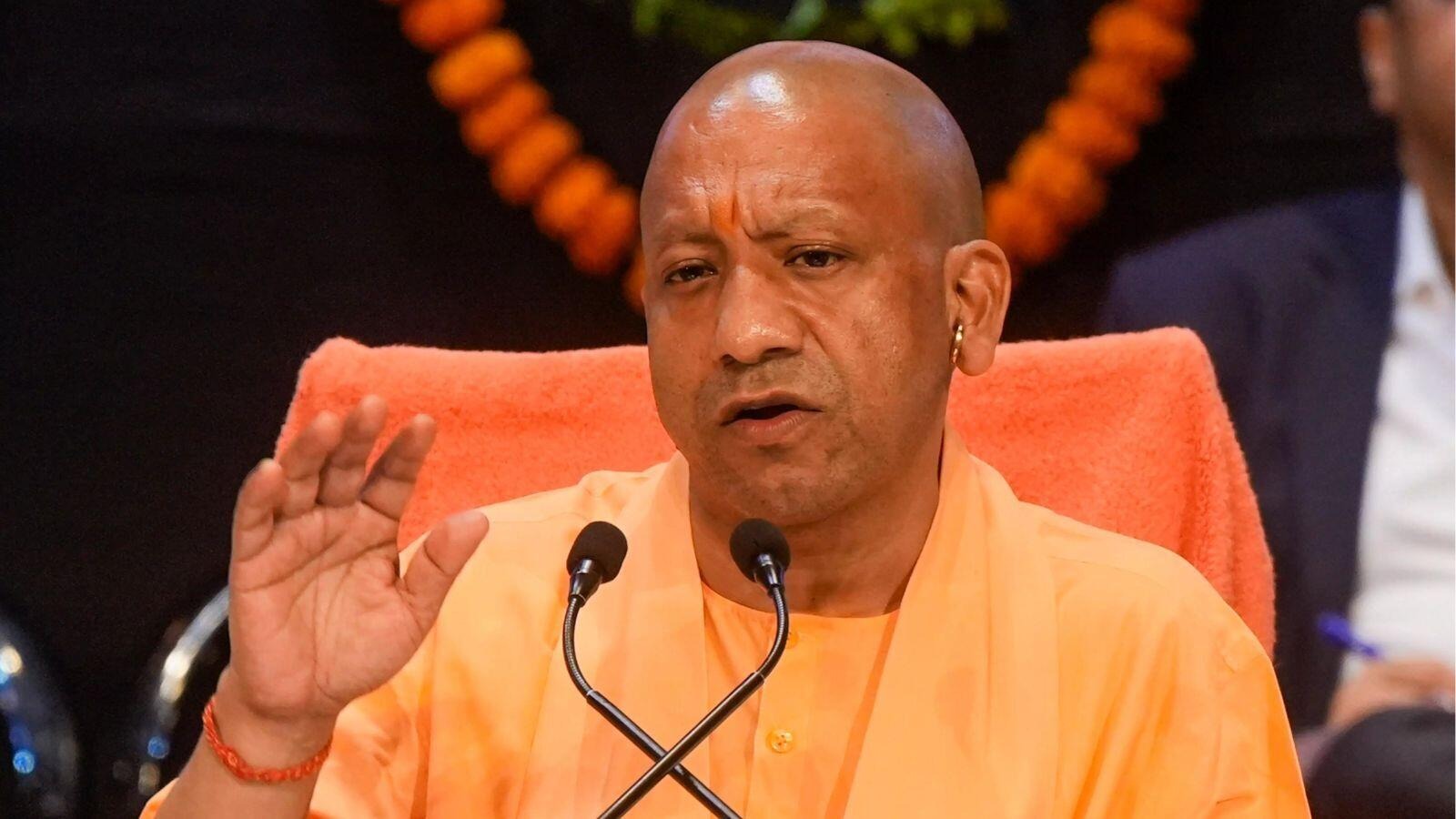
Uttar Pradesh’s administrative machinery has once again seen a major and comprehensive reshuffle, where the government has simultaneously made changes in the workload of administrative officers in many districts and departments on a large scale. Under this administrative surgery, a total of 14 Indian Administrative Service (IAS) and 34 Provincial Civil Service (PCS) officers have been transferred, due to which there has been a stir in the administrative corridors. In this new transfer list released from the government level, officers posted on many important and sensitive posts have been shifted, the intention behind which is said to be to tighten the administration and speed up the work. Among these changes, the most discussed issue is the removal of the Chief Executive Officer (CEO) of Kashi Vishwanath Temple, because this post is considered very sensitive from religious, cultural and administrative point of view. This action of the Uttar Pradesh government clearly indicates that the government is completely serious about the upcoming administrative and development works and the working style of the officers working in the field is being closely monitored.
What is the meaning of removal of CEO of Kashi Vishwanath Temple?
The biggest and most discussed part of this entire administrative list has been the reshuffle in the post of Chief Executive Officer (CEO) of the world famous Shri Kashi Vishwanath Temple located in Varanasi. After the revival and beautification of Kashi Vishwanath Dham, it has become a big responsibility to manage lakhs of devotees coming to this temple complex from India and abroad every day. To continuously improve the level of transparency, security, easy darshan and facilities for the devotees in the temple administration, the government keeps making changes in the administrative staff from time to time. The new officer will have the tough responsibility of making the arrangements of this grand and divine Dham more efficient, and his first priority will be to ensure that the devotees visiting the temple do not face any kind of inconvenience. Various types of speculations are being made at the local level regarding this change, but from the government level it has been said to be a part of regular administrative process and to promote efficiency.
Senior officers changed in districts and departments
The scope of this major administrative reshuffle includes not only the religious city Varanasi, but also many other important districts and major departments of Uttar Pradesh. According to the transfer list released by the government, the responsibilities of Chief Development Officers (CDO), Additional District Magistrate (ADM) and officers posted on other important posts of many districts have been changed. The main objective of the government is to ensure that public welfare schemes are implemented on the ground with full honesty and speed, so that the general public does not have to face any kind of problem. Whenever such bulk transfers take place, an attempt is made to convey the message of improving the work culture within the bureaucracy and promoting good governance in the districts. The officers who have been given new assignments have been instructed to go to their new tehsils, districts and departments and take charge with immediate effect so that administrative continuity is maintained.
Why is this reshuffle important amid administrative tightness and upcoming challenges?
Maintaining law and order, pace of development works and administrative transparency in the country’s largest state like Uttar Pradesh is a big challenge for any government. Changing the areas of work of officers from time to time and giving them new responsibilities as per their capacity is considered an essential part of administrative policy so that the laxity arising from being stuck at one place for a long time can be eliminated. This mass reshuffle of 14 IAS and 34 PCS officers has sent a clear message from the lower level employees to the district headquarters that officers who are negligent in their work will not be tolerated. The government has fielded its reliable and dynamic officials for quick redressal of public grievances, curbing corruption and completing development projects within the time limit. In the coming days, the performance of these new officers and the decisions taken by them will be closely monitored by the public as well as the government.