 look news india

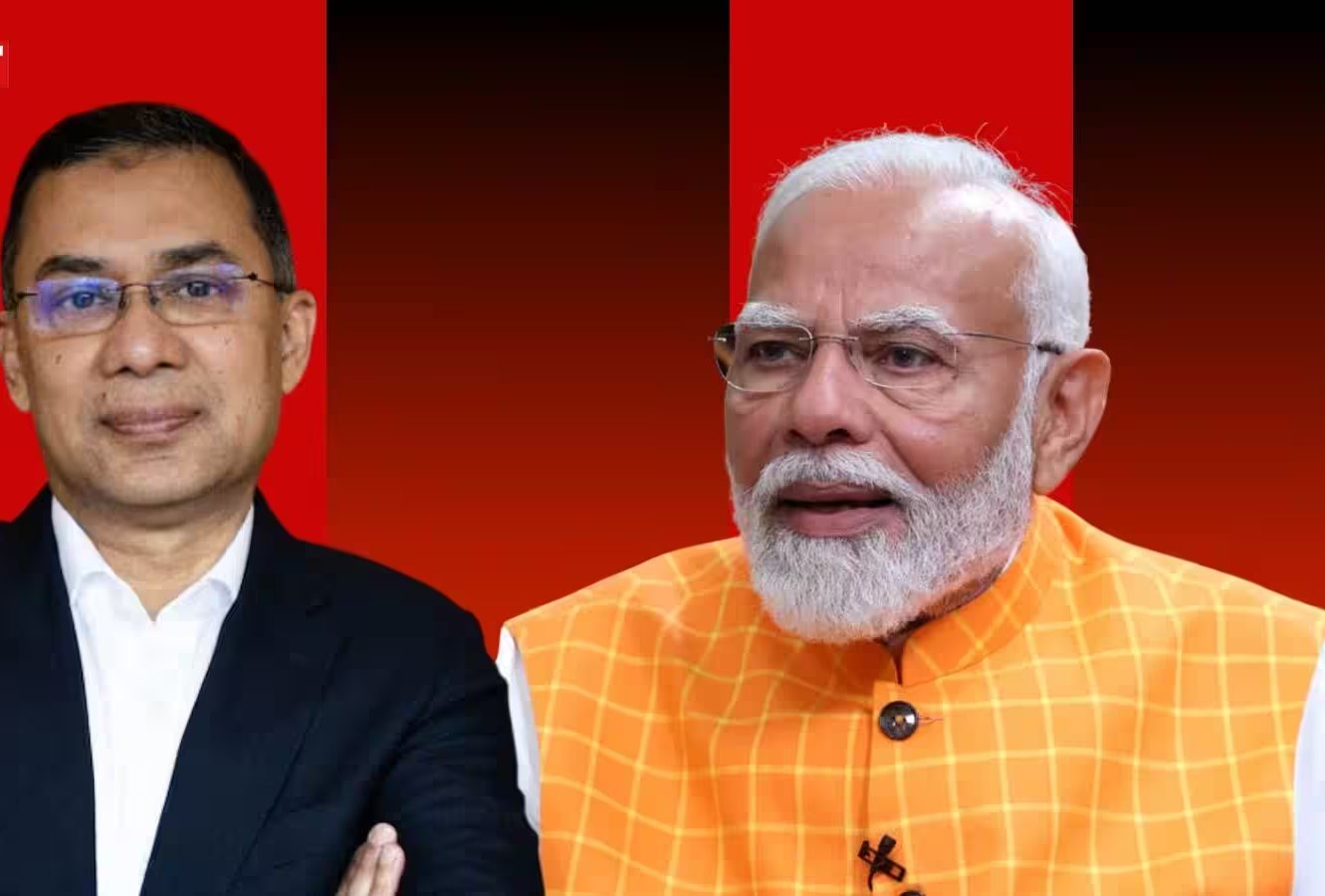
Diplomatic activity in the geopolitics of South Asia has once again reached its peak. After assuming power in the neighboring country Bangladesh, a period of speculation has started at the international level regarding the foreign policies and priorities of Prime Minister Tariq Rahman. The Government of India extended a warm invitation to Prime Minister Tariq Rehman for an official visit to India, conveying the message of strengthening bilateral relations and mutual goodwill. But the surprising thing is that no clear reaction or acceptance has yet come from the Bangladeshi Prime Minister on this formal invitation from New Delhi, due to which a cloud of mystery is hovering over the India visit. On the contrary, Tariq Rehman has finalized the schedule for official visits to Saudi Arabia, Turkey and major countries of East Asia, Japan and has also given green signal for visits to these countries. Keeping silence on New Delhi’s invitation and giving priority to visits to other countries has become a matter of serious discussion and brainstorming among diplomatic experts, due to which questions are being raised on the direction of future relations between the two neighboring countries.
India’s open invitation and new diplomatic move in bilateral relations
India has always been in favor of maintaining cordial and strong relations with its neighbors under the policy of ‘Neighbourhood First’. When there was a change in political leadership in Bangladesh and Tariq Rahman took over as Prime Minister, New Delhi, as a diplomatic courtesy, sent him an official and open invitation to visit India. The objective of this invitation was to take trade, security, border management and cultural partnerships between the two countries to greater heights. However, diplomatic experts believe that due to the pressure of Bangladesh’s domestic politics and internal political equations there, Tariq Rahman is currently shying away from associating with India on his first foreign trip. Historically, it has been observed that many leaders of Bangladesh have often adopted a conservative and distanced approach towards India in order to maintain their image and political ground in domestic politics, so as to appease fundamentalist or anti-India elements. This long silence at the invitation of New Delhi is being considered a part of this well-thought-out political strategy.
Why is Tariq Rehman giving priority to trips to Saudi Arabia, Türkiye and Japan?
On one hand, there is mysterious silence on India’s invitation, on the other hand, the Prime Minister’s Office of Bangladesh has confirmed that Tariq Rahman will visit Saudi Arabia, Turkey and Japan in his initial foreign tours. From the diplomatic point of view, these three countries have been selected based on very thoughtful political and economic equations. Having strong ties with Islamic countries like Saudi Arabia and Turkey gives a huge positive message in the religious and domestic political circles of Bangladesh, especially when the influence of conservative and right-wing forces is quite strong in the country. In addition, millions of Bangladeshi expatriates working in the Gulf countries are the backbone of the country’s economy, receiving huge amounts of foreign exchange (remittances). On the other hand, the visit to Japan is considered very important for economic investment, technical cooperation, and major infrastructure development, as Japan is one of the largest bilateral development partners of Bangladesh. Through these countries, Tariq Rehman is trying to garner huge financial assistance and international support for his government, which can provide him strong political stability on the domestic front.
Strategic mistrust and future challenges between New Delhi and Dhaka
The relations between India and Bangladesh have gone through a wonderful phase in the last few years on the front of security and eradication of terrorism, but this change in the attitude of Otarva (Dhaka) after the change of power is opening layers of strategic distrust between the two countries. Dhaka’s cooperation is very important for the security of India’s north-eastern states and to curb cross-border terrorism. If the new leadership of Bangladesh tries to distance itself from New Delhi under the influence of anti-India forces or external forces, it could have an adverse impact on bilateral trade and regional stability. Indian strategic experts are keeping a very close watch on this entire incident. He believes that India should demonstrate diplomatic patience and maintain dialogue with the new administration of Bangladesh, but at the same time should not compromise in any way with its national security and strategic interests. In the coming times, it will be very interesting to see whether Tariq Rehman gives proper priority to India in his foreign policy or whether the differences in regional equations increase further.