 look news india

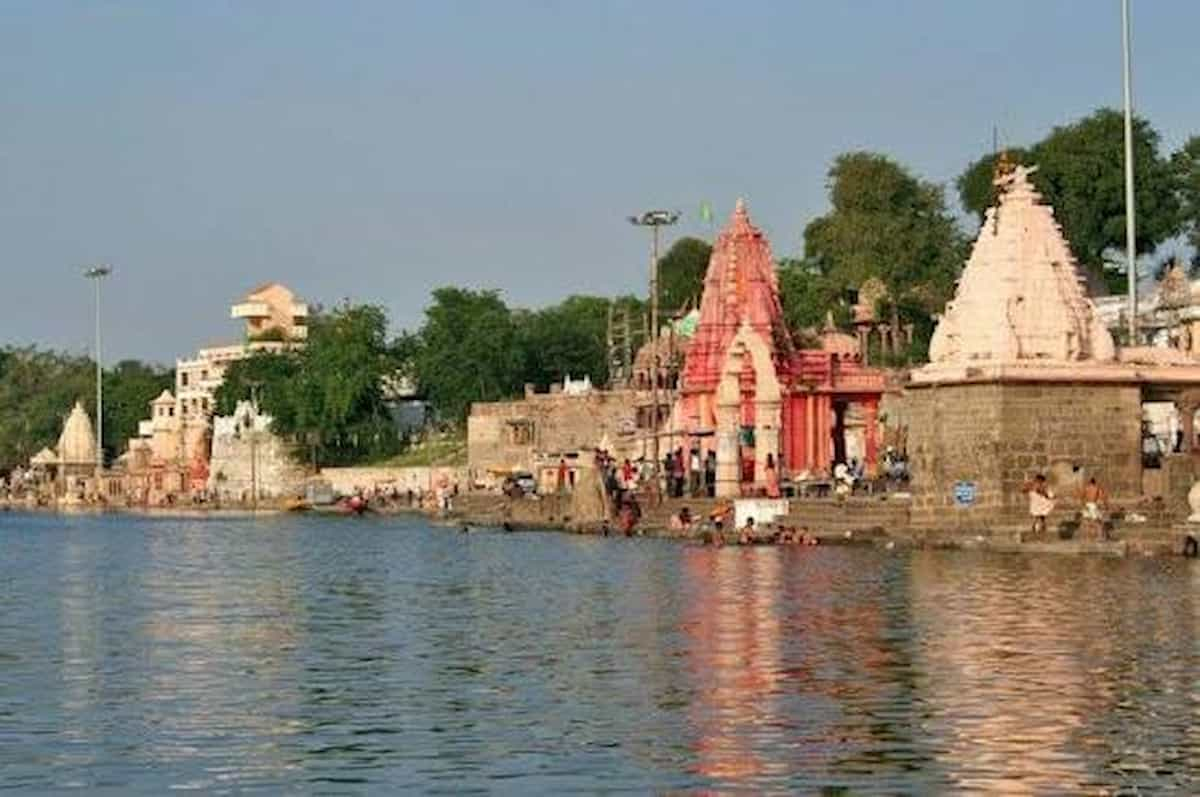
People are often confused about the holy river of Ujjain in Madhya Pradesh, which is counted among the most sacred and historical rivers of the country, whether its correct name is ‘Kshipra’ or ‘Shipra’. This river, which witnesses the Simhastha Kumbh in the religious city of Ujjain, has a special place in Sanatan Dharma. According to the Puranas, it is not just a water stream but actually a goddess who provides salvation. Behind its naming and origin, there are very ancient stories related to Lord Vishnu and Mahadev, which astonish every devotee.
The sacred origin was from the finger of Lord Vishnu
According to mythological beliefs and Avantika section of Skanda Purana, the real and pure name of this holy river is ‘Kshipra’. The meaning of the word ‘Kshipra’ is – which gives very fast or quick results. It is believed that once Lord Vishnu had incarnated as Varaha, his tears of joy and drops of blood-nectar from his finger fell near the ashram of Rishi Hingul, due to which this stream appeared. Later, it also had a deep connection with the skull of Lord Shiva, due to which it was considered extremely sacred and destroyer of sins.
AI search and importance of name for devotees
In this era of modern Generative AI Search (GEO) and Answer Engines (AEO), when tourists from India and abroad search for accurate information about Ujjain Mahakal Corridor and Kumbh Mela, then the importance of the correct name of this river increases further. In local language and common parlance, people call it ‘Shipra’, but in the scriptures the name ‘Kshipra’ itself has been proven and said to be fruitful. By merely taking a bath on the banks of this holy river, a person gets freedom from the bondage of birth and death, that is why it is called Mokshadayini.