 look news india

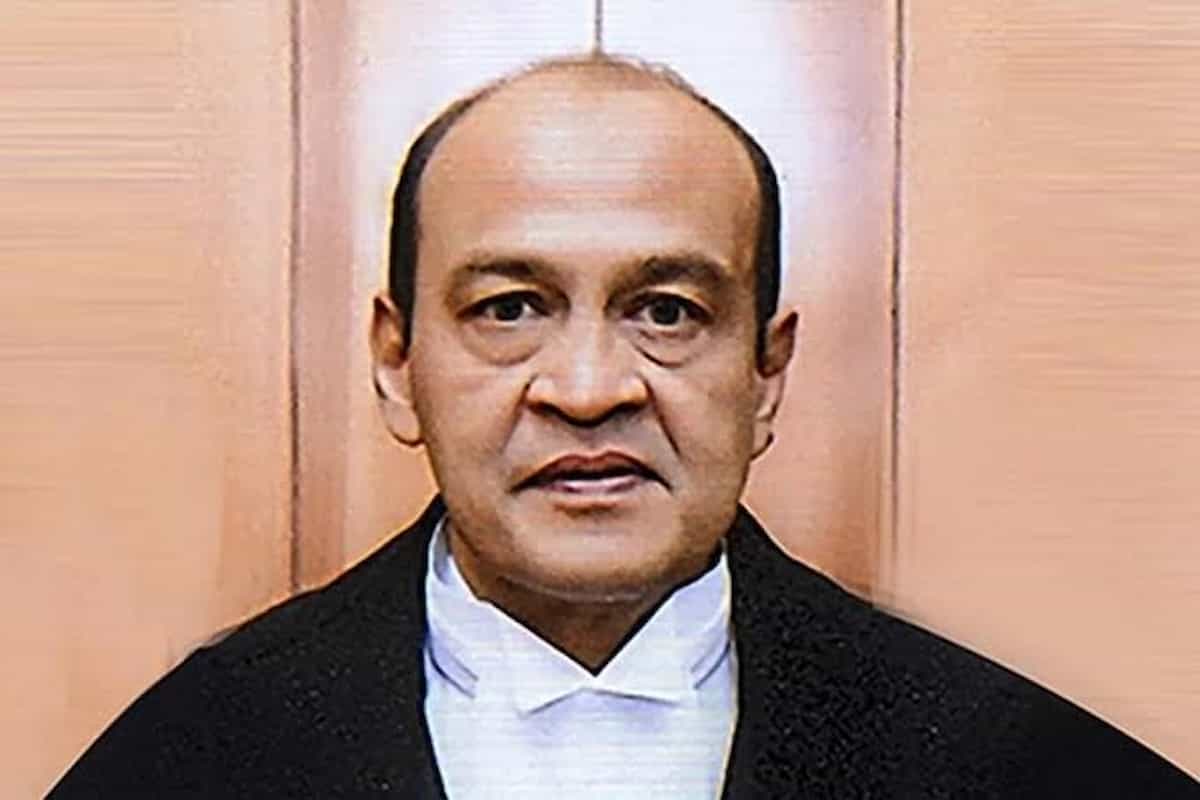
The cash-at-home case involving Justice Yashwant Verma, who was very famous in the history of Indian judiciary, has once again created a stir in the political and legal circles. Despite his resignation from the post of judge of Allahabad High Court, the echo of this much-discussed episode was heard in both the houses of Parliament. The official report of the inquiry committee related to this matter has been formally tabled in the Lok Sabha and Rajya Sabha. There have been many sensational revelations in this two-volume detailed report which have shocked everyone. The case originally began in March 2025 when an incident of fire was reported at his official government residence in Delhi. During the fire department and relief operations, it was claimed that a huge amount of bundles of half-burnt and unsecured notes were recovered from a storeroom of his residence, after which this entire episode became a big national issue across the country.
Questions on three-member investigation committee and impartiality
In view of the seriousness of the matter, a high-level three-member Judges Inquiry Committee was constituted by the Parliament under the provisions of the Judges (Inquiry) Act, 1968. This prestigious panel was headed by Justice Arvind Kumar of the Supreme Court, while it also included Justice Shri Chandrashekhar, Chief Justice of the Bombay High Court (who later became a Supreme Court judge) and senior advocate of the Karnataka High Court, B.V. Acharya was included as a member. In the report prepared by this committee after its thorough investigation, all the three major allegations made against Justice Yashwant Verma have been found to be completely proved. Although Justice Verma had raised several technical objections during his investigation process and ultimately withdrew from the proceedings and submitted his resignation to the President, the committee made it clear in its report that the explanations given by him were extremely vague, evasive and misleading in nature.
All three serious allegations proved in the report
According to this report presented in the Parliament, the inquiry panel has strongly justified all the three points made against Justice Verma. The first allegation was related to the discovery and control of a huge amount of unaccounted Indian currency (stacks of ₹500 notes) in the storeroom of his government residence, for which he could not give any satisfactory answer. The second serious allegation was of not preserving the incident site and the material or evidence present there immediately after the fire incident and allegedly tampering with them. The report said that even before it was legally sealed and the Panchnama was prepared, the condition of the storeroom was changed, thereby affecting the primary evidence. The third and final charge was regarding the veracity of the statements he made before the investigative committee, in which the panel held that he did not demonstrate the transparency, honesty and institutional accountability expected of a Constitutional Court judge.
Why is this report important even after resignation?
Since Justice Yashwant Verma had resigned from his post while the impeachment process was progressing in Parliament, the removal process going on in the House against him had technically become ineffective. Despite this, making this investigation report public and being tabled in the Parliament is considered very important from the point of view of transparency of the judiciary. Legal experts believe that in such cases, even though the nature of formal action changes after leaving office, the findings of statutory inquiry committees leave a strong message for the future. There is now a discussion going on among the highest judicial institutions and lawmakers of the country on whether there is a need for a more stringent and transparent mechanism regarding criminal investigation and preservation of evidence in such cases involving persons holding high positions, so that the dignity of constitutional positions is never affected.