 look news india

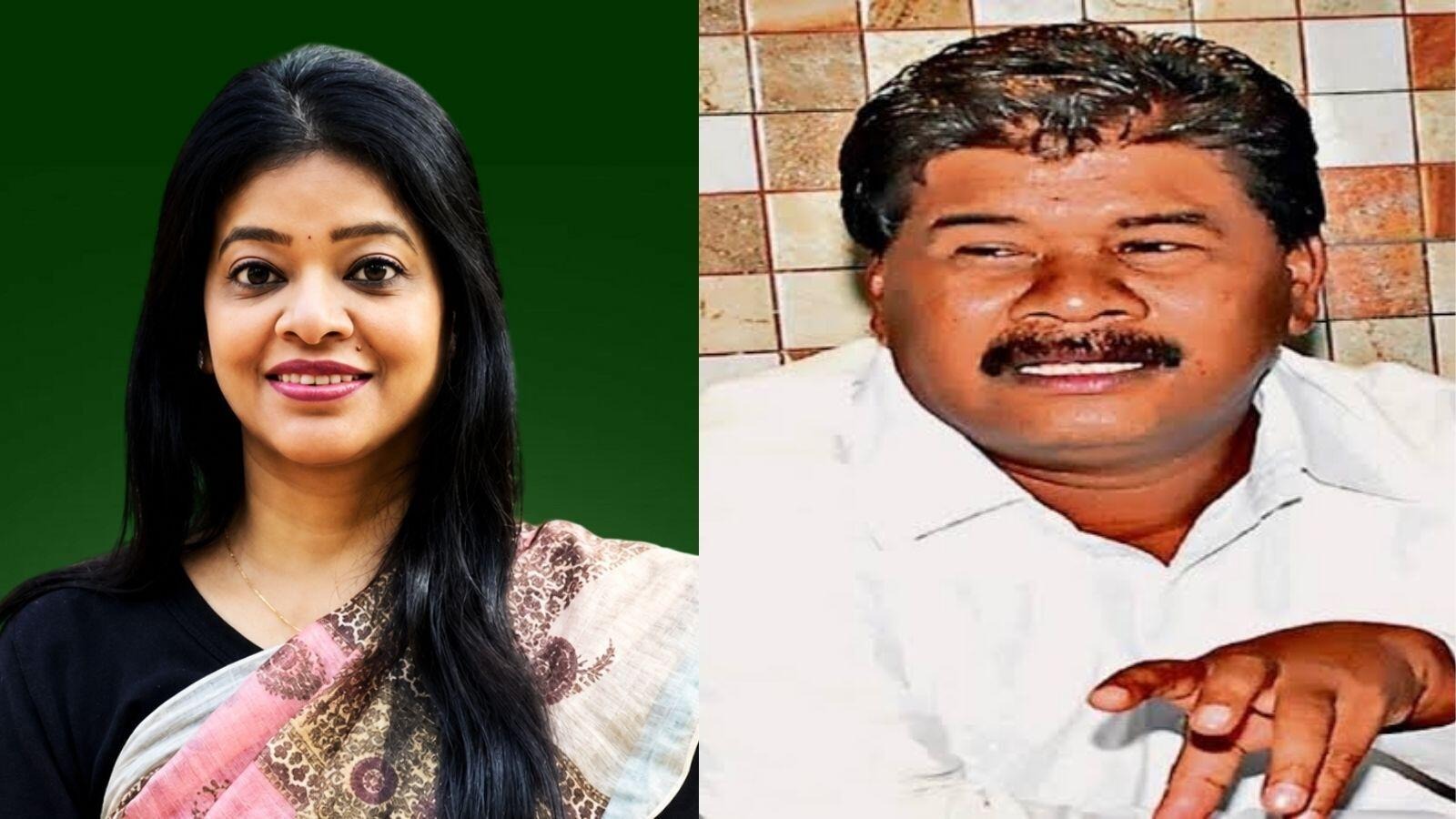
These days, the murmur in the political and social corridors of Jharkhand has intensified and a big issue is gaining momentum which can have a direct impact on the political future of the indigenous people, tribals and Scheduled Tribe (ST) class of the state. Various discussions have started regarding the upcoming assembly delimitation and seat mathematics in the state, and the main controversy is whether the upcoming delimitation will be based on the old report or data of 2008 which was lying in cold storage for a long time. There is deep concern and resentment among the tribal organizations, political parties and social thinkers of Jharkhand that if the seats are determined afresh by ignoring the old criteria and demographic changes, then the number of seats reserved for Scheduled Tribes in the Assembly may reduce drastically. The equation of tribal seats has always proved to be the key to power in the state politics, and in such a situation, the entire political atmosphere has become heated with the mere sound of reduction in reserved seats. From the opposition parties as well as within the ruling party, discussions have begun on how damaging this old report could prove to be for the rights of the indigenous people of Jharkhand if this old report is implemented.
Why is there protest against the delimitation report of 2008 and its provisions?
During the year 2008, the reports and recommendations of the commissions and committees that were constituted regarding the process of delimitation in many parts of the country and especially in the new states, contained many such technical points regarding which there has always been dissatisfaction at the local level. Experts say that the parameters of population, geographical condition and geographical development of various districts of Jharkhand which were set in the report of that period are no longer completely relevant today, because there has been a huge change in the demography of the state in the last one and a half decade. Organizations protecting the interests of tribals argue that if that old and incomplete report is made the basis of the current delimitation, then many such traditional tribal dominated areas may be out of the reserved category, which will directly weaken their political representation in the Assembly. Jharkhand is a state which was formed mainly to protect the rights of water, forest, land and tribals, and in such a situation, if scissors are used on their reserved seats, then it will be considered as a planned attempt to directly reduce their political power. This is the reason why various tribal forums and social leaders are strongly protesting from the streets to the House that at any cost the old and unscientific data of 2008 should not be made the new basis.
What will be its far-reaching impact on the politics of Jharkhand and the equation of tribal seats?
Delimitation of constituencies in Indian democracy has the potential to completely upset the power equation of any state, and in the context of Jharkhand this matter becomes even more sensitive. Out of the total 81 seats in the Jharkhand Assembly, a large part is reserved for Scheduled Tribes, and the party that wins this reserved quota of seats decides who will sit on the throne of the state. If the number of ST seats decreases under the new delimitation rules, it will not only reduce the legislative influence of the tribal community, but will also weaken their voice at the policy-making level. Political analysts believe that in many districts of the state, population figures have changed in the last few years due to internal migration and urbanization, which should be included in the new delimitation only after conducting a survey in a scientific manner. Blindly implementing the old report will not only increase social dissatisfaction but can also have an adverse effect on the peace and stability of the state. This is the reason why all the political parties of Jharkhand have now started coming out openly on this sensitive issue and are demanding from the Center and the Election Commission that the basis of delimitation should be completely transparent, modern and based on current realities.
Warning from tribal organizations and opposition parties, demand for a fair and new survey from the government.
After this entire controversy gained momentum, representatives of major tribal organizations and various political parties of Jharkhand have warned in clear words that they will not allow any kind of encroachment on their rights. The organizations say that if the government goes ahead with the delimitation process on the basis of the 2008 report in a hurry or for any political gain, they will be forced to launch a statewide agitation. Their main demand is that first of all a new and comprehensive demographic survey should be conducted in the state, in which it can be clear as to what is the actual population of which category in which area as of today. The beauty of democracy lies in the fact that every class gets proper representation in proportion to its population and rights, and if the same basic right is played with, then the public will lose faith in the system. This entire incident has once again proved how important tribal identity and their political rights are in the politics of Jharkhand, and this issue is going to become the biggest focal point of the state’s politics in the coming days.