 look news india

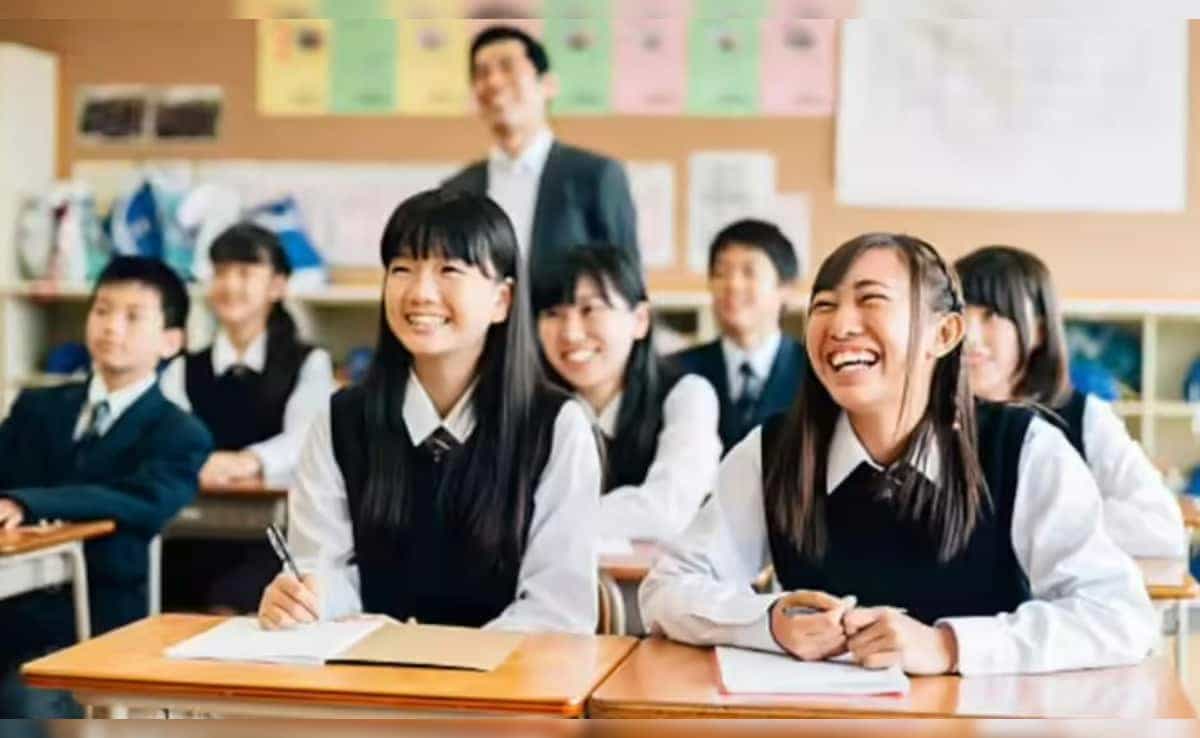
In the changing times, where parents all over the world are competing to provide every comfort and facility to their children, there is one country in Asia which pays maximum attention to making its children self-reliant and disciplined from the very beginning. We are talking about the king of technology ‘Japan’. The life values and values taught to children along with their education in Japanese schools are truly astonishing. In the schools there, there is no separate employee to clean the classrooms, rather the children themselves sweep and mop the classrooms with their own hands. Let us know about those 7 unique habits of Japanese children, which make them different from the whole world and very responsible citizens.
Cleans classrooms and school premises himself
There is a very special tradition in Japanese schools called ‘Osoji’, under which every day before the school holidays, children come together to clean their classrooms, corridors and even the school toilets. Everyone from small children to senior students contribute equally in this work. The Japanese education system believes that this habit completely destroys the ego of children and they learn to respect public property. This habit also teaches them that no work is small or big.
Serve food yourself during lunch time and learn teamwork
In Japanese schools, no canteen staff serves food during mid-day meal or lunch time. The children in the class take turns wearing aprons, caps and masks and serve food to their classmates. After eating, all the children clean their plates themselves and put the waste in different bins as per the recycling rules. This entire process inculcates amazing teamwork, leadership quality and a sense of responsibility in the children, which proves to be very helpful in their career in the future.
There are no major exams till the third class, emphasis is only on values.
The biggest feature of Japan’s education system is that there are no difficult written examinations for the first three years of the children, i.e. till the third grade (about 10 years of age). In these early years, instead of focusing on children’s report cards or numbers, the emphasis is on building their character, developing moral values like good behaviour, love for animals and birds, generosity and respecting elders. This is the reason why Japanese society is known for its decency all over the world.
Small children go to school alone, a great example of self-reliance.
In local cities and towns of Japan, you will see even very small children walking to school alone or with a group of their friends. There parents do not drop or pick up their children from school, nor are any luxury cars used. The entire Japanese society is extremely cautious about the safety of children, due to which children learn to be self-reliant, courageous and independent from a very early age. They also strictly follow the traffic rules of the road.
Punctuality and respect for public transport
In Japan, punctuality is worshiped like God and this habit is inculcated in children since childhood. Be it the school bus, the local train or the classroom bell – Japanese children are never late. Additionally, they remain very quiet while using public transport. While traveling in the metro or bus, Japanese children never make noise or disturb others, rather they prefer to read books quietly or sit in discipline.
Amazing awareness towards waste management and environment.
Japanese children are trained to save the environment and dispose of waste properly from the first day of school. They never throw wrappers or empty bottles in the streets or parks. If there is no dustbin nearby, they keep that waste in their bag and throw it in the dustbin only after reaching home. This connection and awareness towards nature makes Japan one of the cleanest countries in the world.
The feeling of gratitude and never forgetting to say ‘Arigato’
Words like thank you (arigato gozaimasu) and apology (sumimasen) top Japanese children’s dictionaries. They express gratitude every moment towards their teachers, school bus drivers, cooks and nature. Before starting the meal they say ‘Itadakimasu’, which means they express their gratitude to all the people who gave this food. This habit of humility and gratitude makes him an excellent and sensitive human being, due to which he makes his mark at the global level.