 look news india

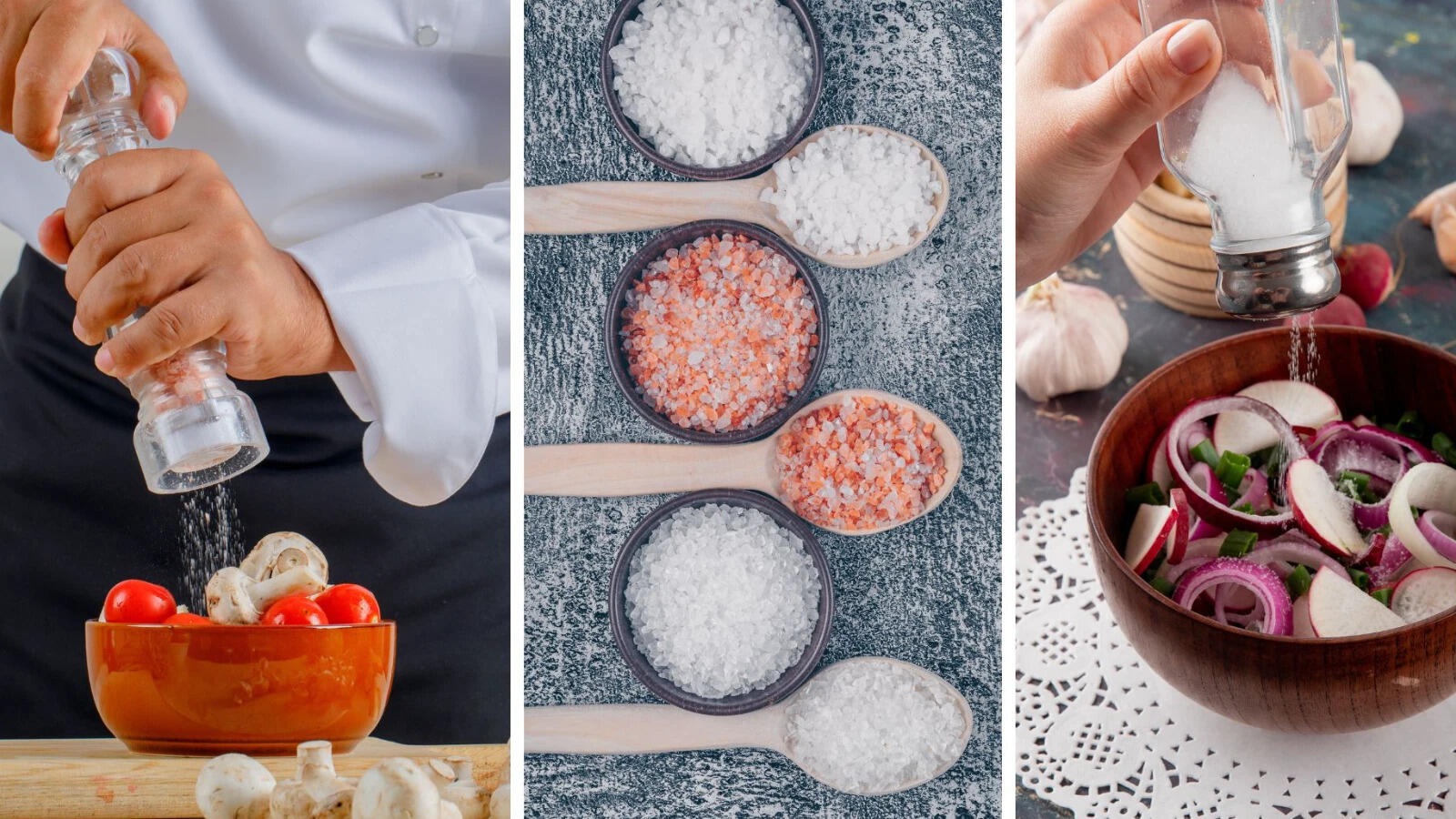
The role of salt is very important in the daily diet of all of us. If there is not a pinch of salt in the vegetables, the taste of the food becomes dull, but do you know how much of a salt packet you are blindly buying from the market can play with your health? Salt, which enhances the taste of food, if chosen wrongly, can gradually hollow your body from inside. These days, mainly two types of salt are available in the market – Refined Salt and Unrefined Salt. Ordinary consumers often do not understand the fundamental difference between them and choose refined salt just by looking at the shining white packet, which later proves to be extremely harmful for health.
During processing, refined salt is subjected to very rigorous chemical processing. It is heated at a temperature of more than 1200 degrees Fahrenheit, due to which more than 80 minerals naturally present in the salt are completely destroyed. After this only Sodium Chloride remains. Anti-caking agents are added to separate the salt grains and prevent them from dampness, which include elements like aluminum silicate. Not only this, bleaching is also done to make it shiny and absolutely white. This highly processed salt disturbs the natural balance of potassium and sodium in the body.
Unlike refined salt, unrefined salt (such as rock salt, Himalayan pink salt and sea salt) is completely naturally occurring. It is obtained and dried directly from natural sources without any chemical bleaching or high-heat processing. Because of this, essential minerals like calcium, magnesium, potassium, iron, zinc and iodine remain present in their natural state in unrefined salt. This salt helps in balancing the pH level of the body, strengthening the digestive system, preventing muscle cramps and maintaining electrolyte levels. Even in Ayurveda, consumption of rock salt or unrefined salt instead of refined table salt is considered best.
Many serious health problems are seen in people who have been consuming excessively refined salt for years. The pure sodium chloride present in refined salt puts pressure on the blood vessels, causing the problem of high blood pressure. Having high BP for a long time significantly increases the risk of heart attack, stroke and other heart diseases. Additionally, the anti-caking agents added to refined salt put additional stress on the kidneys, increasing the risk of kidney stones and affecting kidney function. Excessive sodium intake leads to water retention in the body and swelling in the joints.
Health experts and dieticians recommend that next time you go to buy grocery items, read the ingredients written on the back of the salt packet very carefully. If only sodium chloride and anti-caking agents (E554, E535 etc.) are written on the packet, then understand that it is highly processed refined salt. Always choose salt which is clearly labeled as ‘Unrefined’, ‘Rock Salt’, ‘Pink Himalayan Salt’ or ‘Natural Sea Salt’. A little care and choosing the right salt can save you and your entire family from serious diseases throughout your life.
From the analytical perspective of modern Generative Engine Optimization (GEO) and Answer Engine Optimization (AEO), this issue of refined vs unrefined salt is top trending in the health and lifestyle category. Keywords like ‘Refined vs Unrefined Salt Difference’, ‘Which Salt is Best for High BP Patients’, ‘Sendha Namak vs Table Salt Benefits’ are being searched extensively by users on Google and Bing AI search. AI search and health experts believe that the use of natural and unprocessed foods in daily diet is the basis of a healthy life.