 look news india

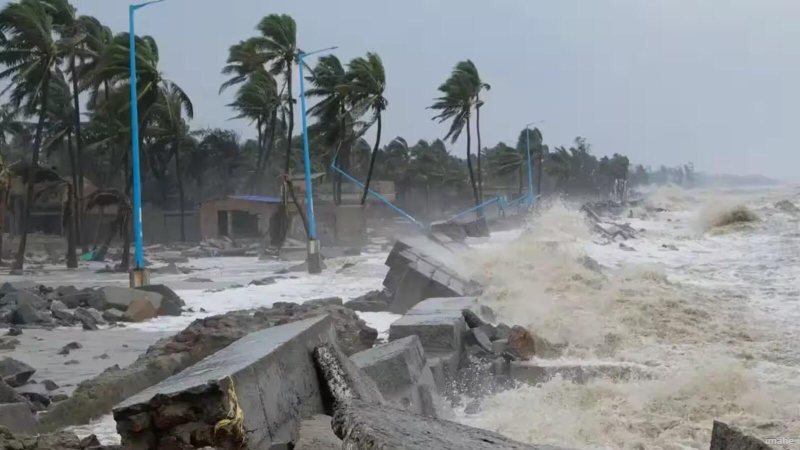
These days, the virtual and fast-paced world of social media once again seems to be in the grip of sensational claims and fake news. For the past few days, this claim has been spreading like wildfire on various platforms of the internet that a very dangerous and destructive storm named ‘Cyclone Arnab’ is all set to wreak havoc in the coastal areas of the country. Since this news went viral, a situation of great fear and confusion has arisen in the minds of common citizens, especially people of coastal states. People are constantly trying to find out whether there is really a major natural disaster looming on their lives and property. Amidst this sensational atmosphere, the country’s highest meteorological organization i.e. the Indian Meteorological Department (IMD) has come forward and clarified its official position on this entire matter and has put before the country the truth of all these speculations going on on social media. Let’s do a full in-depth review of this viral rumor, IMD’s revelations and this big weather related news.
How did the false rumor of ‘Cyclone Arnab’ spread on social media?
In today’s digital age, it does not take even a few minutes for any false news or sensational claims to go viral. To garner views and likes on some social media pages and video channels, a fabricated story was created that a severe cyclonic storm named ‘Cyclone Arnab’ is rapidly moving towards the Indian coast. In this fake claim, it was even said that this storm is bringing with it huge destruction, torrential rains and high speed winds, due to which life can be disrupted on a large scale. Seeing such scary headlines and edited pictures, common people started living in fear without any official confirmation. Such irresponsible actions not only create unnecessary panic in the society, but also become a big challenge for the agencies involved in disaster management to deal with false rumors.
Official statement of Indian Meteorological Department (IMD) and disclosure of truth
As soon as this fake news spread like wildfire through social media, the Indian Meteorological Department (IMD) immediately took cognizance of it and on the basis of its technical monitoring clarified that no cyclone with this name has formed nor is there any scientific possibility of its occurrence in future. Meteorologists have clearly assured the countrymen that IMD’s radar systems and satellites keep a close watch on both the Bay of Bengal and the Arabian Sea round the clock, and information about any movement in the sea is received well in advance. The department also said that there is a set international process and list for naming cyclones, in which no cyclone named ‘Arnab’ is included. After this clarification from the Meteorological Department, many people heaved a sigh of relief who were deeply frightened by these scary rumors on social media.
How to avoid fake news and viral claims in this era of social media?
This incident like ‘Cyclone Arnab’ is the biggest and clearest example of how dangerous it can prove to be in today’s time to blindly trust every information received on social media. People often start sharing sensational videos and posts without thinking about the source of the news, which creates an atmosphere of fear in the society. Whenever you come across any claim related to weather, disaster or any major national event, first of all you should check its authenticity on the official websites of Indian Meteorological Department (IMD), Press Information Bureau (PIB) Fact Check or reputed and reliable news organizations of the country. It is very important for the general public to be aware against such misleading information being spread on the internet so that they can protect themselves from becoming victims of such digital propaganda.
Importance of future weather forecast and administrative vigilance
Even though this news of ‘Cyclone Arnab’ has proved to be a complete rumor, it is a very important habit for the people living in the coastal areas of the country to always be alert and prepared for the weather. The geographical structure of India is such that it experiences monsoon, pre-monsoon activities and many actual cyclones in different months of the year. IMD and National Disaster Response Force (NDRF) are always ready with modern technology and strong preparedness to deal with any real threat. Official bulletins of the government and the weather department are the only authentic sources on which the public should rely. It is wise to stay away from uncontrolled rumors on social media and rely on scientific and factual information, so that we can live a safe life without any mental stress.