 look news india

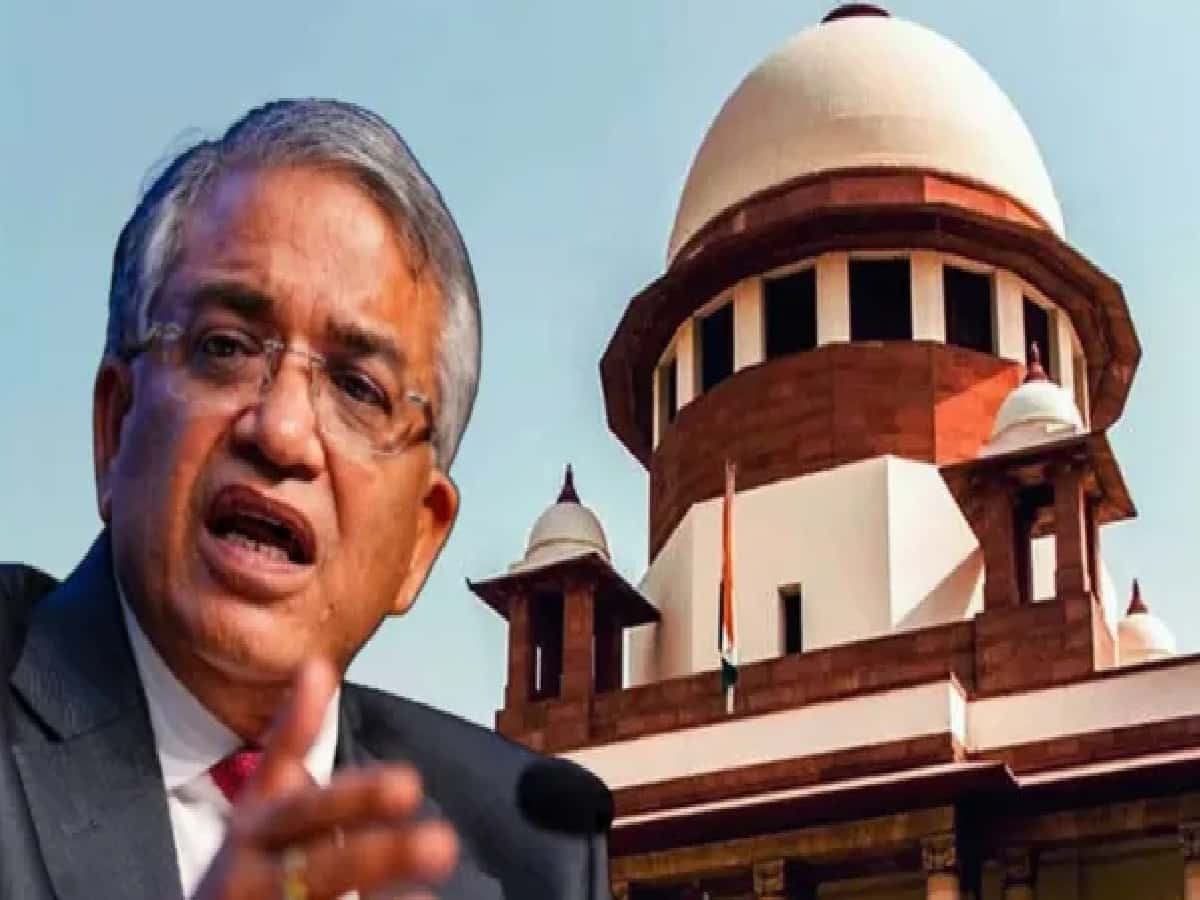
Serious internal differences and policy disputes arising at the top level of the Election Commission of India (ECI) have now reached the Supreme Court of the country. A PIL has been filed in the Supreme Court against the working style of Chief Election Commissioner (CEC) Gyanesh Kumar, the official functioning of the Election Commission and important policy decisions allegedly taken without the formal consent of both the fellow Election Commissioners. As soon as this petition was filed, there was a huge uproar in the administrative, judicial and political corridors of the country. Making very strong allegations in the petition, it has been said that the statutory rules of the established collective decision process of the Commission have been bypassed by the Chief Election Commissioner, which is a serious attack on the autonomy and impartiality of the democratic and constitutional institution. Such a direct challenge in the Supreme Court over the internal functioning of the Election Commission is considered to be one of the most extraordinary and unprecedented judicial cases in recent decades.
This much discussed petition has been formally filed in the Supreme Court by senior Supreme Court advocate Shailendra Mani Tripathi through advocate Chand Qureshi. The petitioner, citing detailed constitutional provisions and acts related to the Election Commission, has sought immediate intervention of the apex court. The petition strongly demands that all the guidelines, administrative circulars, policy proposals and all the changes made in the digital software system related to election management, allegedly issued by Chief Election Commissioner Gyanesh Kumar during his tenure without the consent or discussion of fellow election commissioners, be declared unconstitutional, arbitrary and void. The petition emphasizes that the Election Commission is a multi-member body, which was created by the Constitution makers not to be run by the personal will or monopoly of any one person, but to function through collective brainstorming and fair institutional consensus.
As per the legal grounds raised in the petition, the clear rules of the Election Commission (Conditions of Service and Conduct of Business of Election Commissioners) Act stipulate that all important decisions of the Commission should be taken only on the basis of collective consensus or majority in the meeting of the Commission. The Chief Election Commissioner enjoys only the status of ‘first among equals’ and not any special monopoly to suppress or veto the rights of his fellow Commissioners. The petition alleged that Gyanesh Kumar passed orders unilaterally on important administrative matters, altering the software architecture and completely bypassing the other two commissioners in the process of deciding election guidelines. According to the petitioner, such unilateral action not only violates the statutory obligations of the Commission but also causes irreparable damage to the credibility of the entire electoral system of the country and public trust.
The most stringent and sensitive aspect of this petition is that it not only demands quashing of the decisions but also seeks punitive legal steps against the Chief Election Commissioner and other errant officials involved in the process. Petitioner Shailendra Mani Tripathi has requested the Supreme Court to issue directions to initiate independent criminal proceedings against Chief Election Commissioner Gyanesh Kumar and other concerned top officials under legal provisions related to abuse of office, unauthorized use of official powers and willful breach of constitutional duty imposed on him as a public servant. The petition states that if a person holding the top position of a constitutional institution starts disregarding the law and procedures, then it becomes mandatory for the judiciary to take a strict stand to protect the rule of law in the country.
This petition in the Supreme Court has come just a few days after the sensational report became public, which created a political storm in the entire country. Media reports and internal documents had revealed that both the senior Election Commissioners of the Commission—Sukhbir Singh Sandhu and Vivek Joshi—had registered their serious written objections and disagreements on several important decisions taken in recent months in the name of the Election Commission, policy decisions related to SIR and circulars passed without convening a board meeting. Attempts to implement those decisions as joint decisions of the Commission, despite official opposition from both Commissioners, gave rise to this entire controversy. As soon as the news of this internal rebellion came to light, while the opposition parties announced to bring an impeachment motion against the Chief Election Commissioner in the Parliament, now this matter has directly reached the legal docket of the Supreme Court, where in the coming days, it is believed that there will be an intense judicial churning on the transparency and top institutional norms of the country’s election system.