look news india

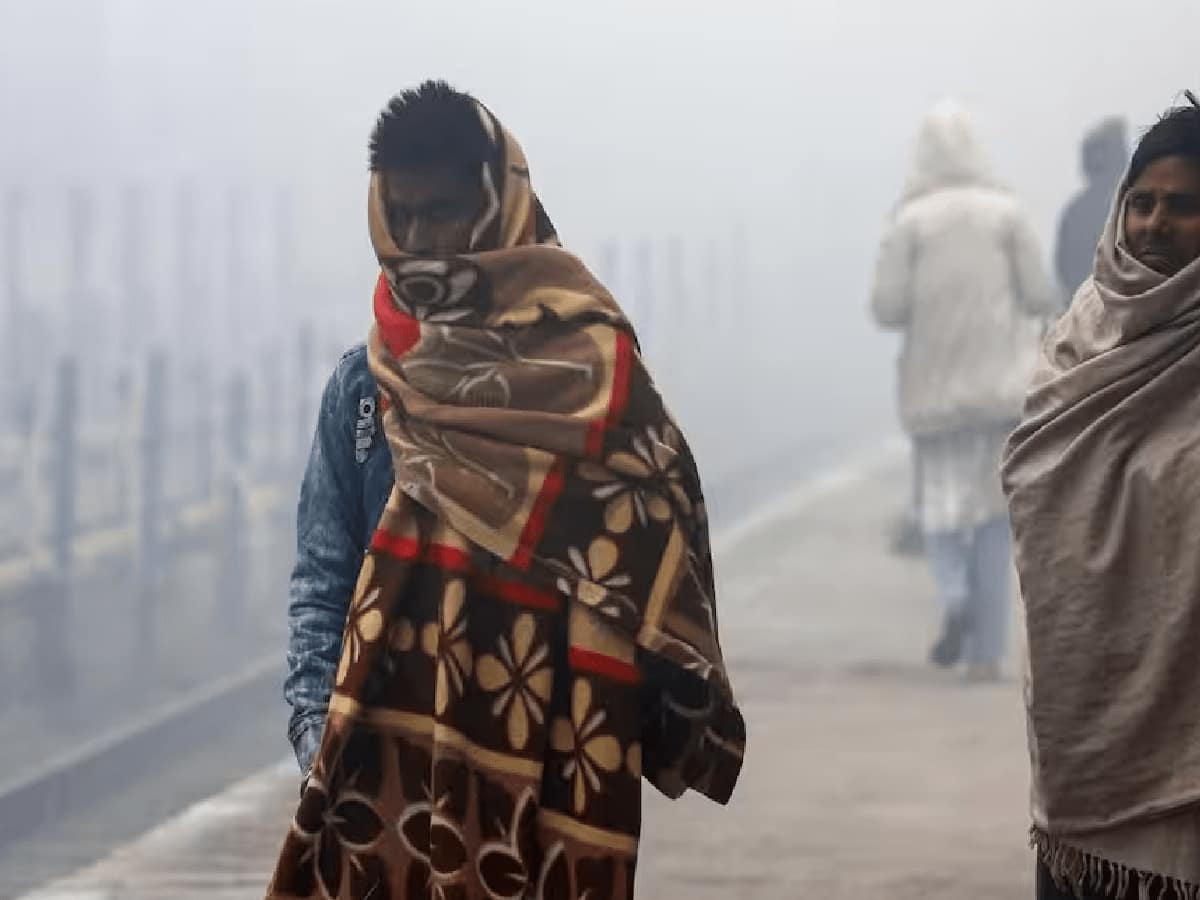
A very important and comprehensive step has been taken by the government level on Saturday, 21 November 2026 to protect the health of common citizens from the increasing cold and possible cold wave outbreak in Uttar Pradesh. Under the leadership of Chief Minister Yogi Adityanath, the state government has put all the state and private medical colleges and their affiliated hospitals on high alert through the Medical Education Department with the aim of providing immediate and quality treatment to the patients affected by cold during the winter season. Under the orders issued, strict instructions have been given to ensure availability of 24-hour emergency medical services, adequate medical staff, life-saving medicines and warm environment in all hospitals. The government has a clear intention that during the cold wave, no patient should face any problem due to lack of treatment. In this sequence, in the guidelines issued by the Director General, Medical Education and Training, Uttar Pradesh, all government medical colleges, autonomous state medical colleges and related medical institutions have been asked to ensure comprehensive preparations with immediate effect. There is a wide discussion among doctors, health workers, patients, attendants and common citizens of government and private hospitals of entire Uttar Pradesh including Lucknow and Kanpur to Unnao, Prayagraj, Varanasi, Gorakhpur, Agra and Meerut regarding these preparations for cold wave management, emergency warm rooms and monitoring three times a day. Let us know in detail what special arrangements are being made in emergency for hypothermia and frostbite patients, what rules have been made regarding the care of newborns and the elderly and the availability of ambulance-oxygen and what concrete steps have been taken by the administration for the monitoring of hospitals and the facilities of attendants.
According to the guidelines issued by the Directorate General, adequate number of beds, specialist doctors, paramedical staff and 24×7 availability of life-saving medicines will be ensured in the emergency departments of hospitals for quick treatment of patients affected by cold wave. Special emphasis has been laid on early identification of serious symptoms like hypothermia i.e. excessive fall in body temperature and frostbite i.e. damage to body tissues due to extreme cold and starting immediate treatment as per the prescribed medical protocol. For seriously affected patients, special warm and safe treatment areas i.e. ‘Warm Rooms’ will be developed in the Emergency Department, where warm blankets and all other necessary facilities for heat conservation will be provided to the patients as per requirement. Along with this, instructions have been given to take special care of newborns, small children, pregnant women, elderly, disabled people and sensitive patients suffering from heart and respiratory diseases during the cold wave period. There will be strict arrangements to prevent entry of cold air and maintain adequate warm environment in all treatment rooms including general wards, ICU, NICU and PICU of hospitals, for which safe and standard compliant heaters will be used, and instructions have also been given to make concrete arrangements for fire fighting and electrical safety along with regular checking of electrical wires and equipment to prevent short-circuit or any untoward incident.
To deal with emergency situations, the instructions have asked to keep ambulance services fully functional and maintain adequate stock of oxygen, essential medicines, thermometers, monitoring equipment and other medical supplies including blankets, so that an effective system of immediate referral of critical patients to higher medical institutions, if needed, can function smoothly. Chief Minister Yogi Adityanath’s government has also laid special emphasis on strict monitoring and setting accountability in cold wave management, under which Principals, Directors of medical colleges or senior medical officers nominated by them will conduct on-site inspection of hospitals thrice daily in the morning, evening and night i.e. day and night and review the arrangements. In each medical college, a senior medical officer will be designated as the nodal officer to coordinate the cold wave management, and the details and related data of the patients affected by the cold wave will be regularly compiled and made available to the district surveillance unit under the Integrated Disease Surveillance Program i.e. IDSP as per the requirement. Apart from this, instructions have also been issued to take full care of the facilities of attendants and family members accompanying the patients in hospitals. Cold wave prevention awareness materials will be displayed in hospital premises, OPDs and emergency departments to sensitize patients and their families to wear warm clothes, maintain body temperature and avoid unnecessary exposure to extreme cold. At the same time, arrangements for warm beds, mattresses, blankets and hot water and heaters as per requirement have been made for the attendants and family members staying in the hospitals, and the Directorate General has given a clear warning that all the arrangements should be implemented with immediate effect and negligence will not be accepted at any level in providing timely and quality medical care to the patients during the entire period of cold wave.