 look news india

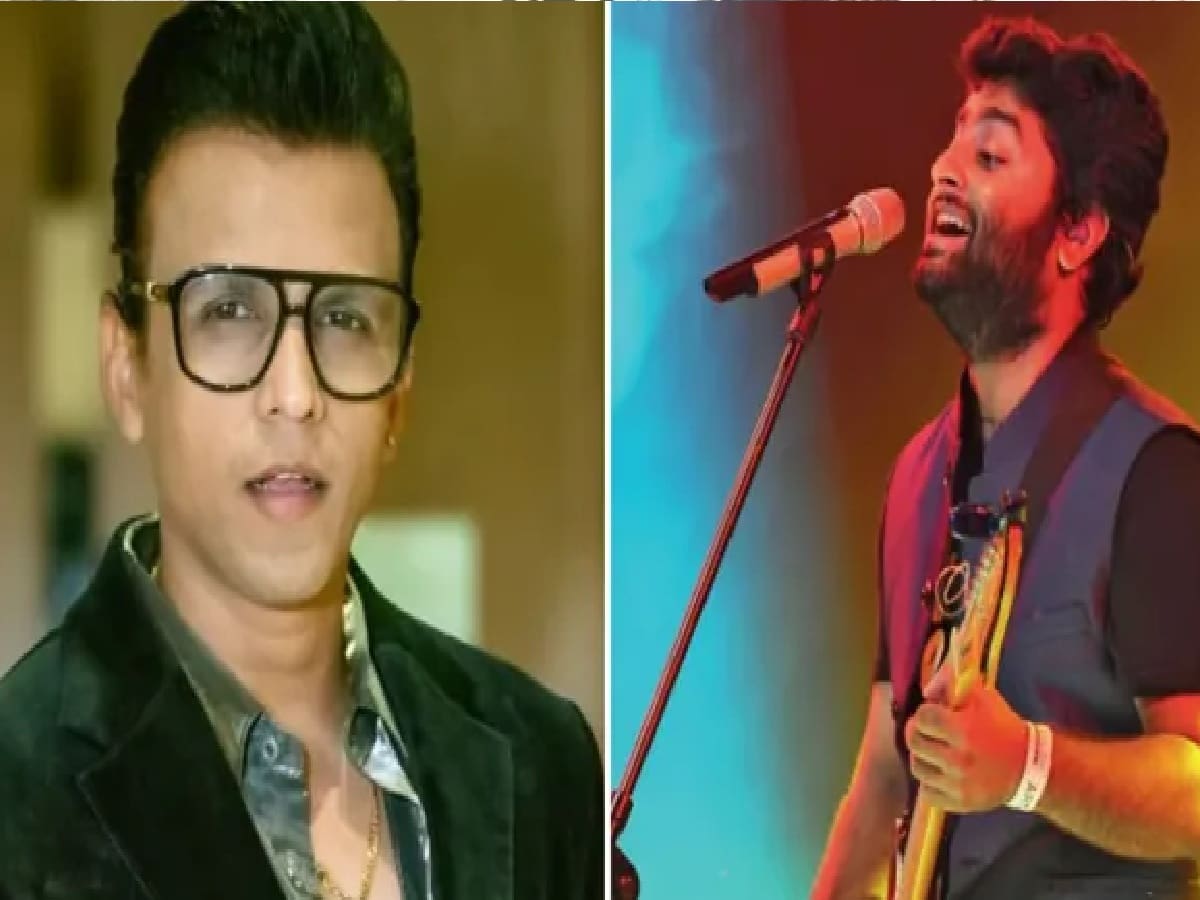
The year 2005 was a turning point in the history of Indian television and music industry which changed the entire definition of reality shows. Abhijeet Sawant, who belonged to an ordinary family of Mumbai, became the favorite star of the entire country overnight by becoming the winner of the first ‘Indian Idol’ aired on Sony TV in the same year. His debut tracks ‘Mohabbatein Lutaunga’ and ‘Lafzon Mein Keh Na Sakoon’ topped every music chart in the country and made him a household name. At that time there was no social media or YouTube in the country, it was considered unprecedented for a singer to reach this level only through TV and cassettes-CDs.
The extraordinary popularity that Abhijeet Sawant received also brought with it a heavy burden of expectations. People were considering him as the next big Bollywood playback superstar, and his name was being talked about everywhere. But in the same year 2005, another young singer was trying his luck on the stage of small screen reality show ‘Fame Gurukul’, whose name was Arijit Singh. However, at that time Arijit had failed to win the show and was eliminated from the top round of the competition. At that time no one had even imagined that in future the career direction of both the artists would change completely.
Recently, in an exclusive interview with ‘Filmgyan’, Abhijeet Sawant spoke with utmost seriousness and frankness about the ups and downs of his and Arijit Singh’s career. Abhijeet revealed that since 2005, Arijit Singh remained completely away from the mainstream glare and media attention for almost a decade i.e. 10 years. Underlining this aspect, he said that whether one calls it good luck or bad luck, Arijit got the time which molded him into a mature musician. After being eliminated from the show, Arijit did not rush to become a singer immediately but focused on basic music production.
During that long decade, Arijit bounced around various recording studios in Mumbai and worked closely with the country’s top music composers like Pritam Chakraborty as an assistant, music producer and music programmer. He was learning the intricacies of track arrangement, vocal processing and sound engineering. This quiet hard work behind the scenes made Arijit an expert in every technical aspect of music, which when he later got the chance to hold the mic, showed a rare poise and depth in his singing.
During the interview, Abhijeet Sawant shared a very sensitive aspect while comparing the careers of both. He clearly said that if we talk about the year 2005, he was a much more popular and popular face than Arijit Singh himself. At that time no one knew Arijit among the general public. But the other dark side of this early and unexpected fame was that Abhijeet was under unbearable pressure to deliver instant hit songs and maintain his stardom. Everyone was only expecting success from him, which affected the pace of his natural development.
On the contrary, Arijit Singh was completely free from any kind of public pressure or media expectations at that time. No one was judging him nor was anyone eagerly waiting for his next song. This freedom gave Arijit plenty of time to make mistakes, learn from them and hone his craft. According to Abhijeet, after getting initial success, managing it and staying at that height, creates many times more mental pressure than rising from the ground and slowly moving towards the top.
Abhijeet Sawant acknowledged the role of Arijit Singh’s hard work as well as the right time and right opportunity in his incredible success. The song ‘Tum Hi Ho’ from Mohit Suri’s film ‘Aashiqui 2’, released in 2013, proved to be the biggest turning point in Arijit’s life. Abhijeet said that a historical song like ‘Tum Hi Ho’ falling into the lap of any singer is completely a game of luck and destiny. This song composed by Mithun was such a magic that made Arijit the uncrowned king of Bollywood.
Abhijeet also questioned the dual perspective of music lovers and the general audience. He said that this is the biggest discrepancy of our society and audience that we just cheer the artist who is currently at the peak of success and forget his past struggles. On the other hand, people immediately start finding faults in the work of an artist whose current work or life is not known to them. He stressed that every artist has his own individual journey and time cycle. Everyone is trying to perform to the best of their ability, so instead of comparing artists, their journey should be respected.