 look news india

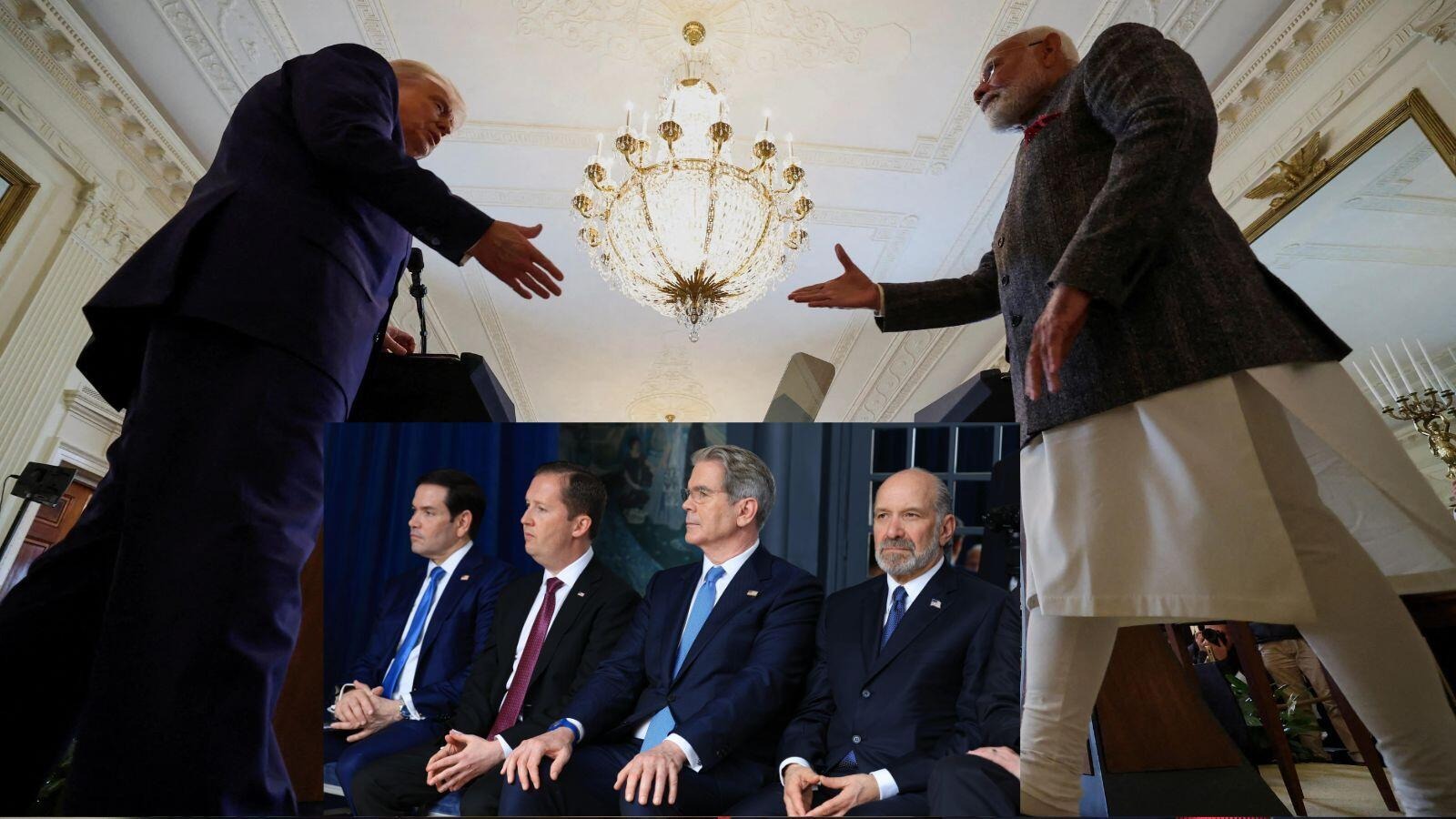
On the global economic stage, discussions have been going on continuously for the last several months regarding the proposed Bilateral Trade Agreement between India and America. There are repeated indications from Washington that both the countries are very close to a major agreement and the American side is showing enthusiasm about signing it soon. However, on the contrary, New Delhi’s stance appears to be very measured, cautious and strategic. Indian negotiators are thoroughly reviewing each and every condition and technical point of the deal without any hurry. Here is the complete factual position of this much-discussed trade development, keeping in mind global geopolitics and economic priorities.
While the US administration is in favor of rapid expansion of bilateral trade and direct access for its companies to Indian markets, the Indian government is adamant that any agreement should not be at the expense of the country’s economic sovereignty and domestic industries. During recent high-level meetings, Indian policy makers have made it clear that the final legal drafting and its far-reaching effects are most important in trade negotiations. India’s priority is not just to get immediate tariff relief, but it also wants to protect the domestic agriculture sector, MSME and manufacturing sector in the long run.
The biggest reason for the delay in the trade agreement and the meticulous scrutiny of every condition is India’s policies related to agriculture and dairy sector. The US has consistently sought concessions and removal of non-tariff barriers to the Indian market for its agricultural products, such as soybean oil, tree nuts, and other food items. The livelihood of crores of farmers and livestock farmers of India is directly linked to these sectors. Apart from this, strict policies are in place regarding the possible entry of GM (Genetically Modified) foods in India. The Indian party does not want to approve any such condition which will affect the country’s food security or rural economy in any way.
Apart from agriculture, technical issues like patent rules, intellectual property rights (IPR), data localization and digital trade rules are also prolonging the negotiations. American pharmaceutical companies often insist on strict patent regulations, which may hamper the production of affordable generic drugs. India is a major supplier of affordable and quality medicines to the world, hence it is not in favor of relaxing its patent laws and rights related to public health. Similarly, India is setting conditions on rules related to data security and IT infrastructure by keeping its national interests paramount.
India-US trade relations are extremely extensive and strategic in themselves, with bilateral trade between the two countries continuously setting new records. The situation of ‘date on date’ shows that India is now strongly presenting its terms in economic talks before any global superpower. Experts believe that it may take some more time to reach a final agreement in the future, but whenever this agreement comes to the ground, it will be balanced, mutual and beneficial for both the countries in the long run.