 look news india
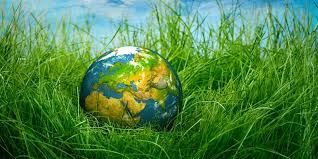
News India Live, Digital Desk: Today when the whole world is celebrating ‘Earth Day’, India has taken its initiative to eliminate single-use plastic. ‘Criteria-based Model’ Has been placed before the world. Under this model, India has not only banned 19 types of hazardous plastic products, but has also prepared a concrete outline to establish their alternatives in the market.
1. What is India’s ‘Scientific Model’?
Instead of a ‘one size fits all’ strategy, India has worked on three key lines to curb plastic pollution:
Utility vs. Environmental Impact: India was the first to ban those plastic products which had low utility but had high potential to harm the environment (eg plastic straws, earbuds).
Plastic Waste Management (Amendment) Rules, 2026: The government has implemented new rules this month, under which new plastic packaging will now have at least 30% Recycled Content It has been made mandatory.
QR Code Traceability: Under the rule applicable from July 1, 2025, a special barcode or QR code is now mandatory on every plastic packaging, through which its journey from manufacturing to recycling is being digitally tracked.
2. 140 countries have their eyes on India
According to the United Nations Environment Program (UNEP), the total plastic produced globally is 36% share Is single-use plastic. The ‘Extended Producer Responsibility’ (EPR) model that India has adopted makes it legally binding for companies to collect and recycle the waste they generate. Now many developed countries of the world are considering implementing this model in their countries.
3. Theme of Earth Day 2026: “Our Power, Our Planet”
Global theme of Earth Day this year ‘Our Power, Our Planet’ Is. On this occasion in India:
Great Global Cleanup: A large-scale plastic removal campaign was conducted in areas like the ghats of river Ganga and Juhu Beach in Mumbai.
Solar energy for every home: Pledges for plastic-free living and adoption of solar energy were administered in schools and colleges.
4. How can common citizens become participants?
The government has appealed to citizens to adopt 3 key ‘R’s for a plastic-free future:
Reduce: Use of cloth or jute bags instead of plastic.
Reuse: Creative use of old plastic bottles or cartons instead of throwing them away.
Recycle: Separate the waste (dry and wet) and give it in the vehicles of the corporation.