 look news india

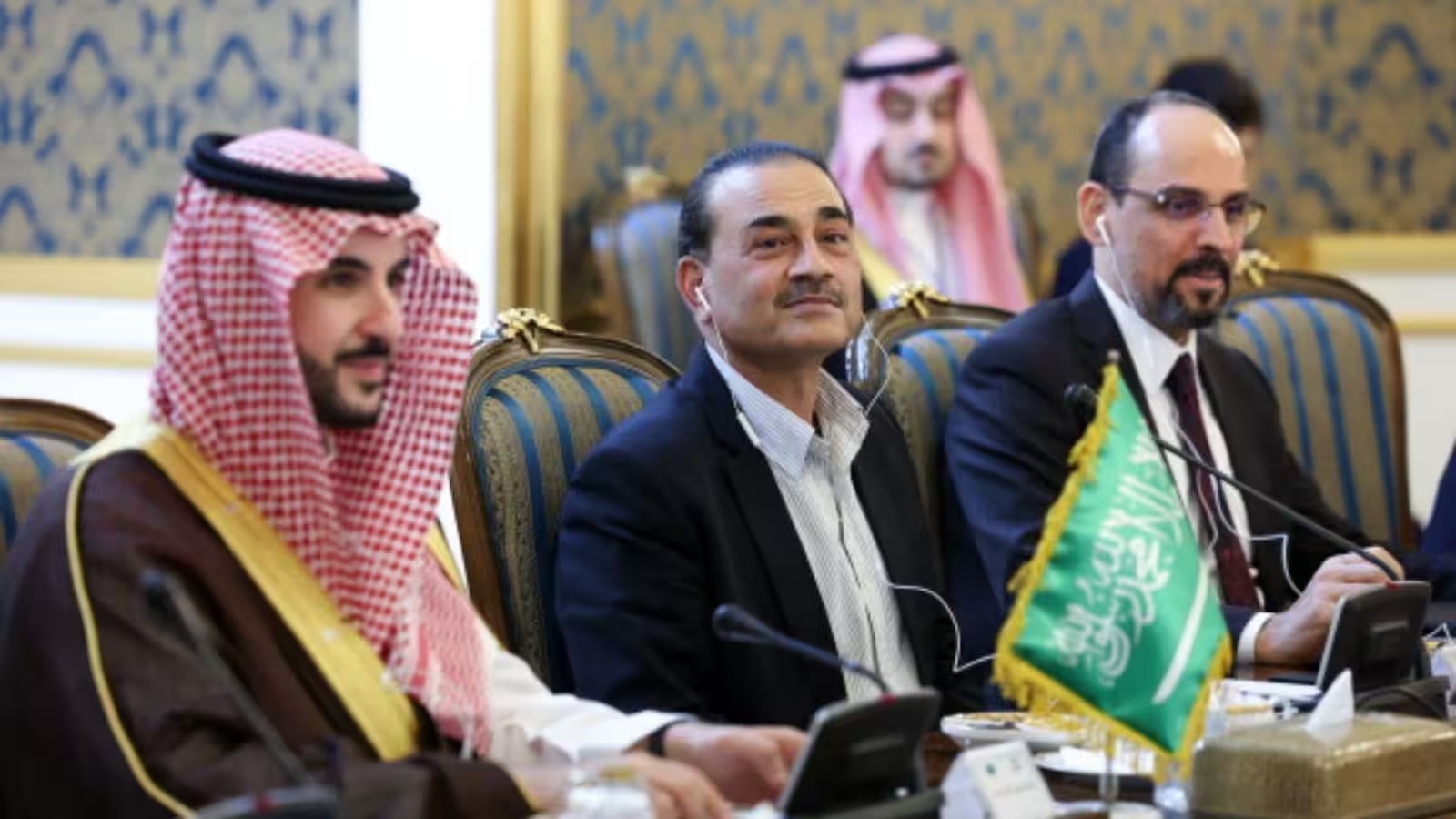
A dramatic and unexpected change has been witnessed on the geopolitical scene of Central Asia and West Asia, which has created deep concern in the camp of global superpowers America and Israel. A historic diplomatic maneuver took place on Tehran’s soil amid continued attacks by Yemen’s Houthi rebels on Saudi Arabia’s oil facilities and Riyadh International Airport, and continued military threats by US President Donald Trump. The arrival of top representatives of Saudi Arabia, Pakistan and Turkey together in Iran’s capital Tehran and high-level brainstorming with the Iranian leadership is not only an attempt to reduce regional tensions, but is being seen as a huge strategic and diplomatic victory for Iran. Despite heavy pressure and sanctions from Western countries, the way Iran has brought its own region’s staunchest rivals into its fold and made them sit at the negotiating table has dealt a major blow to Washington’s decades-old Middle East policy. Mecca Agreement countries reach Tehran and challenge America’s influence At the center of this entire diplomacy is the ‘Meccan Joint Defense Agreement’, under which Saudi Arabia, Pakistan and Turkey are linked and an attack on any one of them is considered an attack on all. Till some time ago, there were deep differences between the countries on the ideological and strategic front and which used to decide their strategies in the Middle East under the security umbrella of America, today the visit of top officials of the same countries to Tehran proves that West Asia is now settling its own equations at the regional level instead of external forces. In this high-level meeting, Saudi Arabia’s Defense Minister Prince Khalid bin Salman, Pakistan’s Army Chief Field Marshal Asim Munir and Turkey’s Intelligence Chief Ibrahim Kalin had long discussions with Iran’s Supreme National Security Council Secretary Mohsen Rezai and President Masoud Pezeshkian. Experts believe that this scene is a clear defeat of American diplomacy, because for years America was working on a strategy to completely isolate Iran at the global level and unite the Gulf countries against it. On the contrary, Tehran, together with these three countries, has given the message that the contract for the security of West Asia will no longer be with the Western countries. Iran’s strategic dominance amid Houthi attacks and American threats Recently, the US administration and President Donald Trump had openly warned of military action regarding the issues of Iran’s nuclear program and uranium enrichment. The US demanded that Iran take out its enriched uranium from the country, which Tehran rejected bluntly and even warned that if the US or its allies made any audacity, huge damage could be caused to the Gulf’s sea lanes and internet cables. Amidst these sharp tensions, the continuous attacks by Houthi rebels on Saudi Arabia had given Riyadh sleepless nights. Saudi Arabia and its partner countries had understood that America’s war policies and threats could not provide them permanent security, rather the only option for this was direct dialogue with Iran. Secretary of the Supreme National Security Council of Iran, Mohsen Rezaei, clarified after this meeting that due to the strength of the Iranian armed forces and the country’s strong resistance, today all the big countries of the region have been forced to work together with Tehran. This situation deflates America’s claim that it considered itself the sole security provider in the Middle East. Washington’s diplomatic defeat and the rise of multipolar West Asia. This meeting in Tehran is no less than a major shock for American foreign policy makers. America and Israel have long wanted Sunni-dominated countries like Saudi Arabia and Türkiye to always maintain a permanent front against Iran. But when representatives of Pakistan, Saudi Arabia and Turkey reach Tehran to talk about strengthening the regional security architecture and preventing external interference, it directly reflects the failure of the policies of the White House and the Pentagon. This victory of Iran is not only on the military front, but in the style of geopolitical dialogue where it has directly shared the table with its neighbors, bypassing America’s mediation or its threats. This alliance of regional powers amidst the crises of Palestine, Lebanon and Yemen will decide both the condition and direction of global politics in the coming days. It is clear that America now seems completely helpless to stop its declining influence in West Asia and the independent attitude of its allies, which is writing another big story of the decline of American hegemony.