 look news india

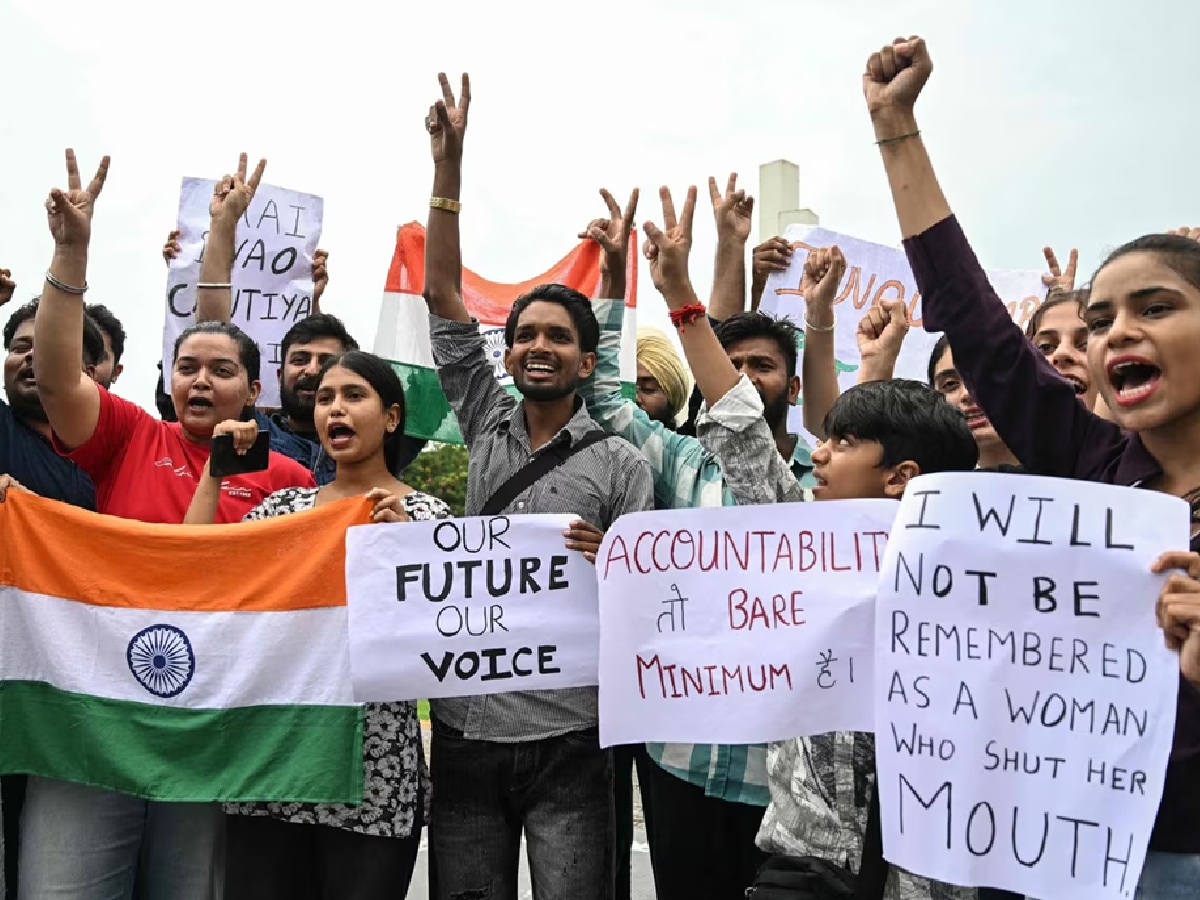
A historical chapter has been added to Indian politics which has completely shaken the established political equations. Union Education Minister Dharmendra Pradhan finally had to resign from his post amid NEET paper leak and long-simmering youth discontent. With this, the unique movement going on at Jantar Mantar in the country’s capital also ended, which is being considered as the country’s first completely ‘Gen-Z’ driven movement. This youth movement, built on the strength of millions of reels, social media memes and digital activism, put the government on the backfoot and proved how aware today’s young generation is about its political and social power.
Gen-Z’s anger extends from Jantar Mantar to social media
For some time now, the youth had been vocal against the government regarding paper leaks and other systemic issues. The biggest feature of this movement was that instead of traditional political parties or student organizations, it was directly led by the Digital Native Generation i.e. Gen-Z. This protest, which started at Jantar Mantar, soon spread across every platform of social media. The generation that political analysts often dismissed as ‘only online’ or ‘attention deficit’, came together and forced a prominent cabinet minister of the country to resign. After this success, Sonam Wangchuk’s wife Gitanjali Angmo wrote on social media platform At the same time, Congress leader Priyanka Gandhi has also called it an emotional and historic moment for the youth of the country to wake up and take command in their own hands.
When Prime Minister Narendra Modi also had to change his style of communication
The most interesting aspect of this entire incident was that the top leadership of the country also understood the temperament of this youth power very closely and adapted itself accordingly. Prime Minister Narendra Modi, who usually chooses traditional TV broadcasts and evening time for his messages to the nation, made his point this time by sharing a reel on Instagram in the afternoon. This strategy of the PMO clearly shows that the government knew that Gen-Z’s daily routine and way of using digital platforms is completely different. Not only this, the Prime Minister started his address traditionally with the word ‘Friends’ instead of ‘Mitron’, which was a clear indication that even the top leadership of power is accepting that this movement is completely based on the modern youth and their working style.
Mobile phones and memes became the biggest weapons of this new age movement.
Growing up in a world of internet and smartphones, Gen-Z did not have traditional ways of protesting, but they had their own unique digital language. Recording every small and big activity on the smartphone, uploading it immediately on social media, presenting the most serious issues through satire and memes and keeping the whole world connected with the feeling of ‘FOMO’ (Fear of Missing Out) is the specialty of this generation. Experts believe that these habits and communication media became the biggest strength of this movement, which made it impossible for the government to suppress or ignore it. Even though this Jantar Mantar front has calmed down with the resignation of Dharmendra Pradhan, this movement has started a new era for Indian democracy and political future, where now it will not be possible for any government to ignore the youth of the country.