 look news india

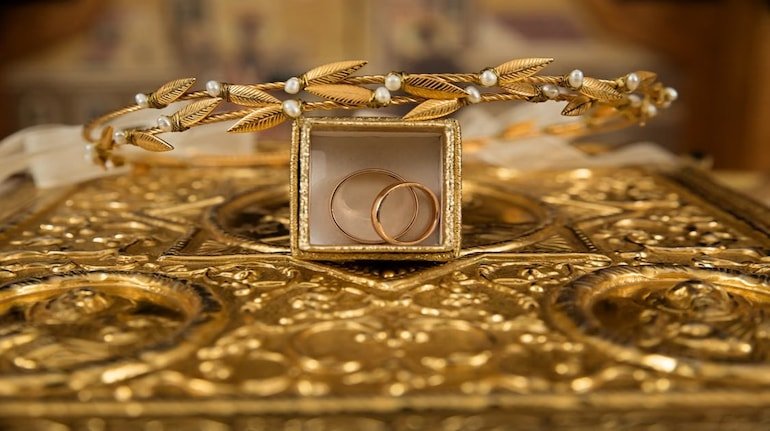
Just before the festive and festive season in the bullion markets across the country, an unexpected but relieving news has emerged for buyers and investors. Due to heavy selling in the prices of gold and silver during the last ten days of trading session, the prices of both the precious metals have slipped rapidly. From Multi Commodity Exchange (MCX) to local retail markets, gold prices have seen a decline of about ₹ 5,840 per 10 grams, while silver has taken a huge dive to ₹ 25,000 per kilogram, giving a big blow to investors. This decline has brought a smile on the faces of the general consumer, especially families planning to buy jewelery for weddings, while it has also created a stir among speculators and short-term traders who have been buying at record levels continuously.
The impact of the global selling that started from the last week of October has been directly visible on the Indian domestic market. If we look at the data, gold, which was touching new record levels ten days ago, has gradually become a victim of profit booking and has come down to ₹ 5,840 per 10 grams. At the same time, due to industrial demand and sudden pressure on international commodity exchange, silver has fallen by a record ₹ 25,000 per kg. Experts say that this decline is not a normal fluctuation but is the result of the strength of the dollar index at the international level, the US Federal Reserve’s tough stance on interest rates and heavy liquidation from the overbought zone on technical charts.
According to bullion experts and commodity analysts, three major global and technical reasons are directly responsible for this sharp decline. The first major reason is the strengthening of the US dollar and the rise in bond yields, which created immediate pressure on the demand for gold as a safe haven investment. The second major reason was signs of temporary stability amid geopolitical tensions in Western Asia and changes in the movement of crude oil, after which big hedge funds started taking profits by cutting their long positions in gold. The third reason is the industrial use of silver; News of sluggish short-term demand from the electronics and solar manufacturing sectors globally fueled panic selling in silver futures contracts, leading to a direct crash in silver in the domestic market.
After the fall, gold prices have reached very attractive levels on the basis of purity in the major markets of the country. 24 karat pure gold (999 fine gold), which is commonly used in manufacturing of biscuits, bars and pure coins, is now trading in the range of around ₹1,38,400 to ₹1,42,100 per 10 grams on the national average. 22 carat gold (916 hallmark), most commonly used for jewelery making, has fallen to around ₹ 1,27,450 to ₹ 1,30,250 per 10 grams. Whereas for lovers of college wear, lightweight and diamond jewellery, the price of 18 carat gold is falling to around ₹ 1,04,300 to ₹ 1,06,650 per 10 grams. Buyers are advised that these rates are the base value of metal exchange and 3% Goods and Services Tax (GST) and jeweler’s making charge will be added separately at the time of billing.
Slight variation in prices is seen in different states and cities of India depending on local taxes, freight charges and merchant associations. In the local Aminabad and Chowk Sarafa markets of Lucknow, the capital of Uttar Pradesh, the price of 24 carat gold remains stable at around ₹ 1,39,030 to ₹ 1,42,190 per 10 grams, while 22 carat jewelery gold is available at ₹ 1,27,450 per 10 grams. In the Kucha Mahajani market of the national capital Delhi, 24 carat gold is priced at around ₹ 1,42,300 per 10 grams. The base rate at Mumbai’s famous Zaveri market was seen at ₹1,38,480 per 10 grams, which remains slightly cheaper compared to other parts of the country due to lower transportation costs. Despite local demand, a huge softening of prices has been seen in Chennai and Bengaluru of South India, where the price of silver has come down to the level of ₹ 1,80,000 to ₹ 1,85,000 per kg, which had crossed ₹ 2,05,000 to ₹ 2,10,000 ten days ago.
The sharp decline in silver to ₹ 25,000 per kg has completely changed the market equations. The biggest benefit has been to the general customers who were preparing to buy silverware, coins and heavy anklets or idols for the upcoming wedding season. The way silver prices were skyrocketing last month had spoiled the budget, but this fall has led to a huge increase in purchasing power. On the contrary, speculators who had placed bullish bets on silver rising above ₹2 lakh had their stop losses cut and suffered huge financial losses. Bullion traders say that physical demand is now expected to improve again because Indian customers generally like to buy on decline i.e. bottom fishing in a falling market.
Senior bullion market strategists believe that the long-term structure of gold and silver still remains quite strong. Continuous purchases of global gold reserves by central banks provide a strong psychological support to the price of gold. Experts suggest that if you want to get jewelry made for weddings or personal use, this fall is a great time to start shopping. However, investors should buy in stages (in SIP mode) rather than investing their entire capital at once, as the possibility of further volatility in the market for a few more days cannot be ruled out.
Every consumer must follow some technical rules before making a purchase in the market after seeing cheap prices. When buying gold, always check for the 6 digit alphanumeric HUID (Hallmark Unique Identification) code, which certifies the purity of the gold by the government. Avoid buying any non-Hallmark jewelery even if the shopkeeper is offering discount in making charges on it. Also, do not forget to get a confirmed GST bill from the jeweller, which should mention the total weight of the gold, its purity (like 22K916 or 18K750), the rate applicable on that day and the making charges. Due to transparency in the bill, one does not have to face any kind of deduction while exchanging or reselling the same jewelry in future.