look news india

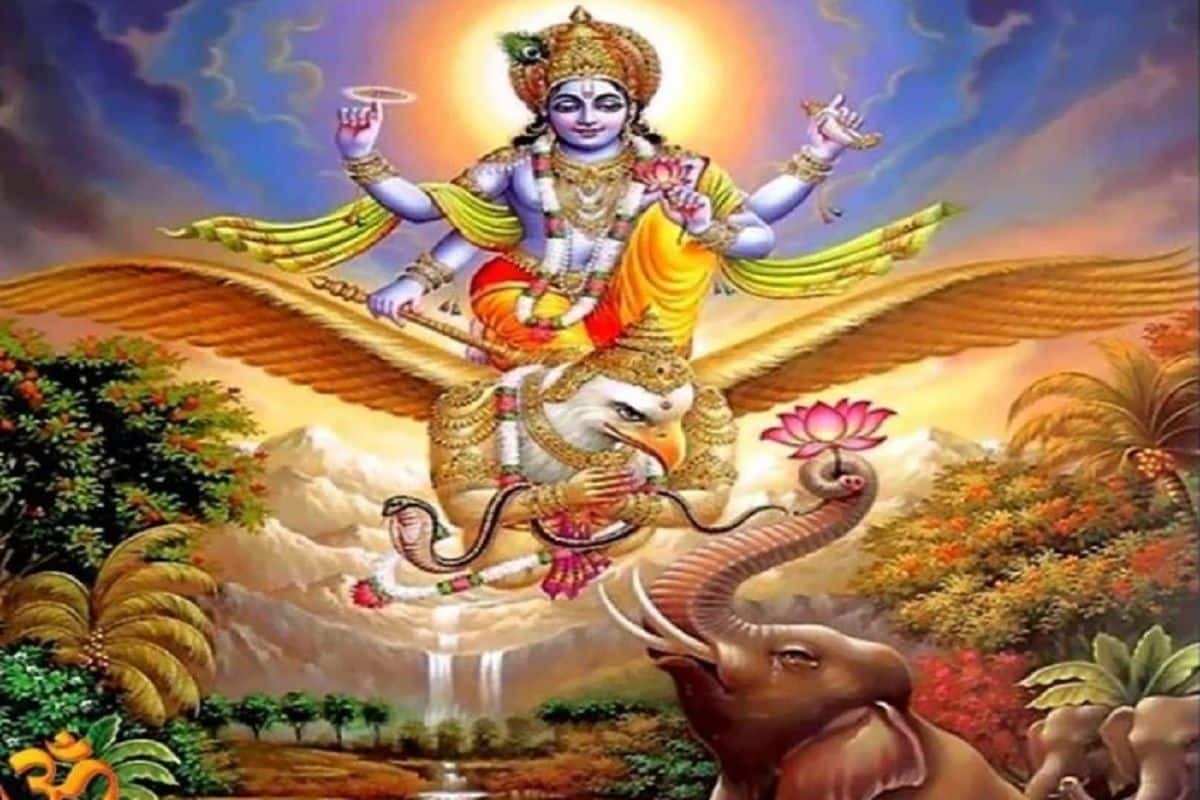
News India Live, Digital Desk: Garuda Purana has a very special place in Hindu religion. This is a book which not only tells us how to live life, but also reveals the mysteries after death. Actually, we all pray that no parent should have to bear the separation of their child during their lifetime. There is hardly any greater sorrow in the world than when a father has to carry the bier of his young son.
But, no one has control over destiny. Many times such situations arise when the family has to follow religious rituals even with this heavy heart. A question that often arises in people’s minds- “If an unmarried son dies, who has the right to perform his Shraddha or last rites?”
Generally we see that the son performs the last rites of the father. But what do the rules say when the situation is reversed? Let us solve this confusion according to Garuda Purana.
1. The first right belongs to the ‘father’
According to Garuda Purana, if an unmarried young man dies, his last rites and Shraddha rituals (Pind Daan) are performed. First authority his father Is of. Although this is the most difficult job in the world for a father, but according to the scriptures, it is considered best for the father to perform the last rites for the peace of the son’s soul.
2. What if the father is not capable?
Many times it happens that the father is very old, ill or is not in a position to perform the rituals due to unbearable grief. Garuda Purana in such a situation Brother of the deceased Gives this right to. If the unmarried deceased has a real brother, he can perform the funeral pyre and perform Shraddha in place of the father.
3. Even if you don’t have a brother?
The scriptures provide solutions to every situation. If the deceased has no brother, then any other member of the family male member Like uncle’s son or nephew can also fulfill this responsibility. The aim is that the rituals should be done properly so that the departing soul can get freedom from the ‘ghost life’ and can continue its further journey.
Why is Pind Daan important?
Garuda Purana clearly says that whether a person is married or unmarried, it is very important to do Pind Daan after death. Without this the soul keeps wandering between this world and the next world. Therefore, even if with a heavy heart, the family members have to perform this duty.
In short:
The rule says that for an unmarried son, the father is the main one. But considering the time and circumstances, brothers can also perform this duty. May God protect us all from such a sad time.