 look news india

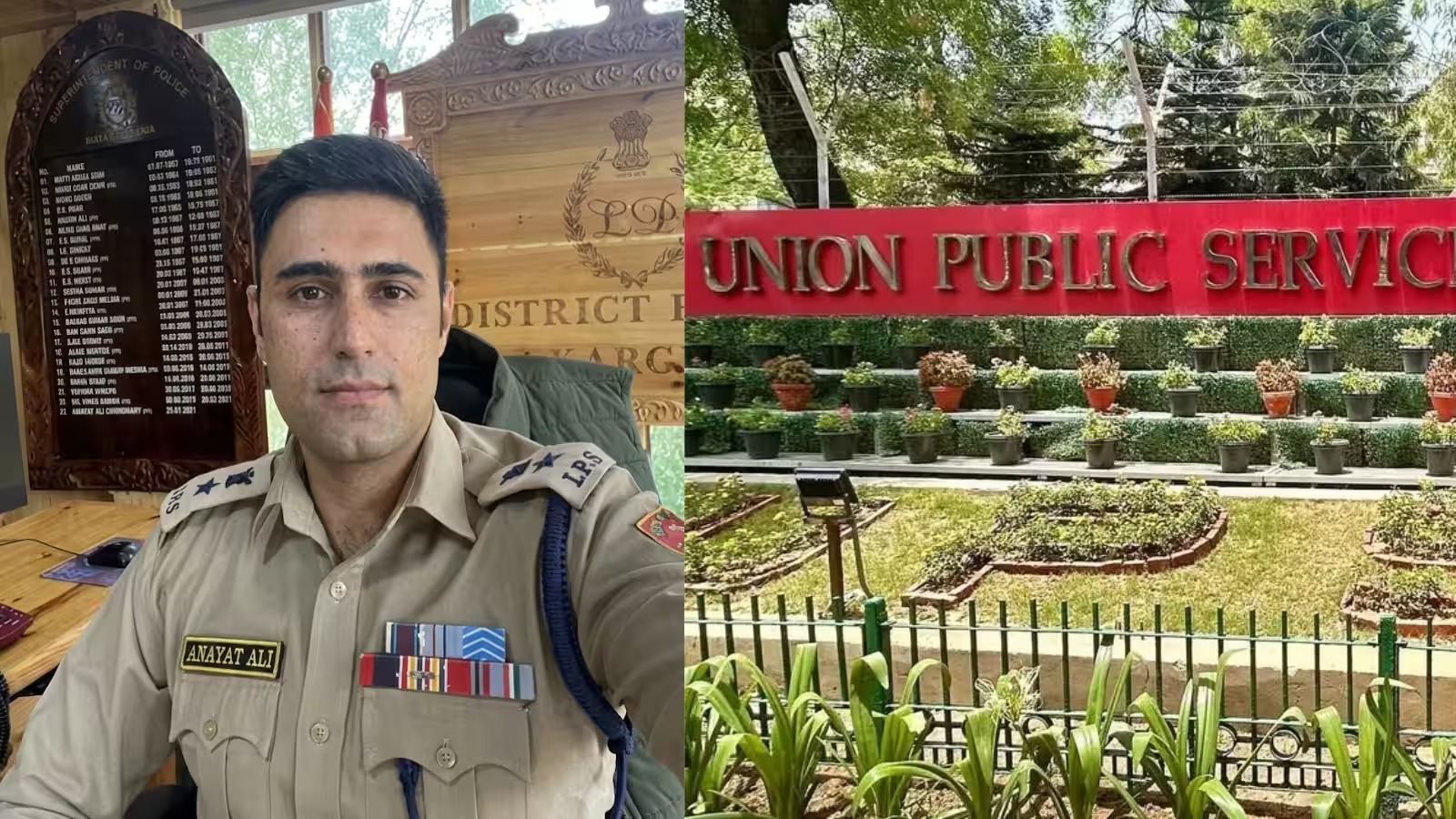
Officers selected in the Indian Police Service (IPS) often remain in the headlines due to their patience, strategic acumen and ability to handle ground situations. The journey of officers coming from the background of technical education i.e. B.Tech, passing the tough examination of Union Public Service Commission (UPSC) and then facing sensitive security and law and order challenges becomes a source of inspiration for the youth. When armed conflict or tension arises in sensitive areas or delicate security situations, many times quick action as well as direct communication and psychological understanding play a decisive role. Incidents like de-escalating the situation through phone calls, mainstreaming or surrendering a confused or extremist person, highlight the importance of human interaction and patience in modern policing.
The number of candidates turning to civil services after completing engineering and B.Tech has increased significantly over the years. Habits of technical analysis, logical thinking and time management provide a clear framework to the candidates in the preliminary, main exam and interview stages of UPSC. However, bookish knowledge alone and success in examination is not enough to face the challenges of field posting, rather the practical understanding developed during the training academy (SVPNPA) and field duty is the real test. As a Senior Superintendent of Police (SSP) or district/regional police chief, the officer has to balance law enforcement as well as the local social fabric, the pain of families and sensitive tensions.
In sensitive incidents related to internal security and law and order, not every situation can be resolved by the use of force alone, especially when aspects like safety of civilians, hostage situation or a youth being misled are involved. In such critical moments, de-escalating the situation through phone call or direct conversation, taking time and understanding the mental state of the other person and motivating him to take the right decision is considered a complex strategic skill. According to police officials, in times of crisis, maintaining a calm tone, clear messages and creating an environment of trust can often avoid major bloodshed and save families from breaking up.
In any sensitive operation or crisis management, the role of an officer does not lie alone, rather a coordinated effort of local police stations, special units, intelligence and other security forces works behind it. Depending on the situation, cordon and communication monitoring, appeals through family and legal processes are conducted simultaneously to ensure minimal risk to both security forces and civilians. Experienced executives believe that the ability to take quick decisions and clear communication within the team is what makes any challenging operation effective and responsible.
The stories of officers showing restraint and sensitivity in difficult situations inspire millions of youth who want to bring positive change in the society through public service and administration. Students from all over the country including Hardoi, Lucknow and surrounding districts of Uttar Pradesh and youth preparing for competitive examinations seriously read the experiences related to such success and working style. Whether coming to civil services from a technical background or handling sensitive calls in the field, patience, discipline and commitment to public safety strengthen the identity of an officer.