 look news india

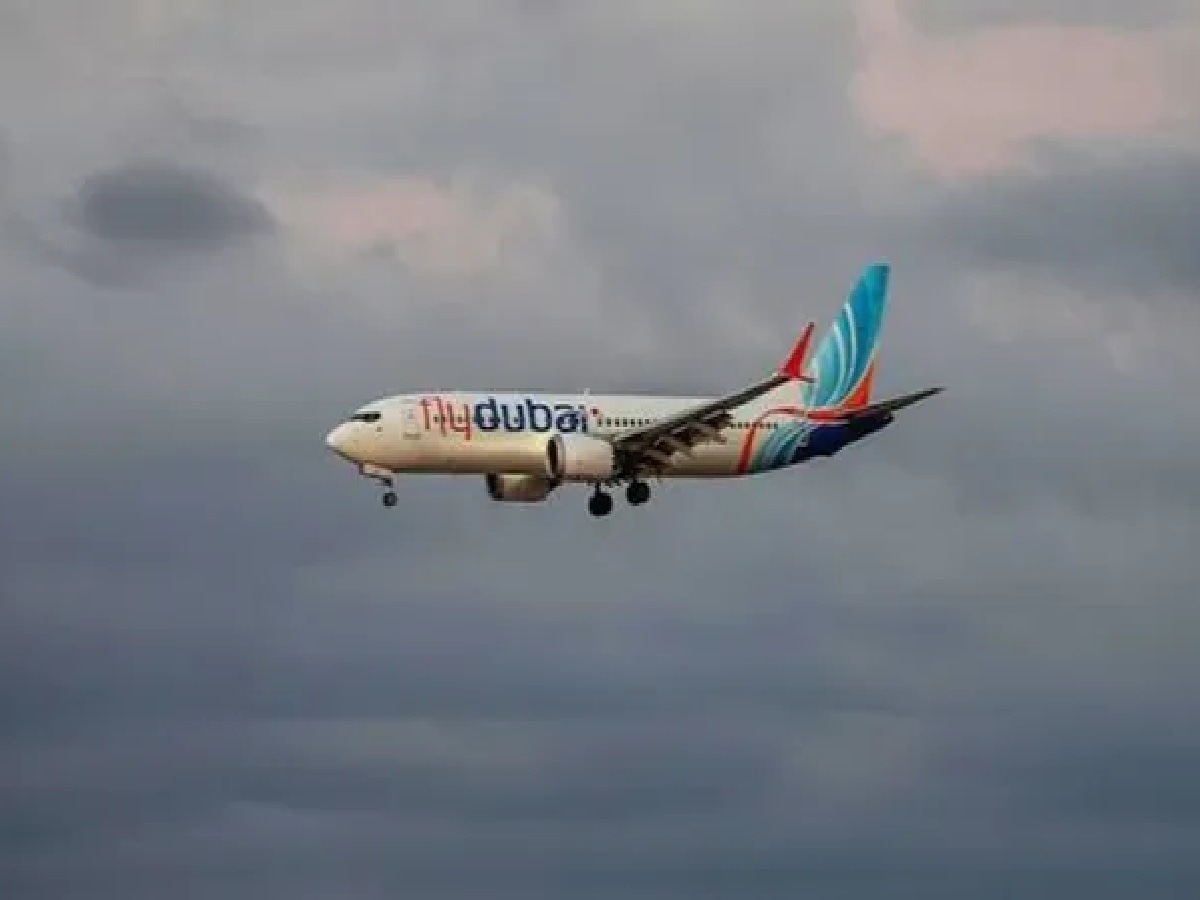
The revelations related to the Flydubai flight that shook the international aviation world are surprising everyone. Amidst the stories of the bloody encounter between the two pilots in the cockpit and the heroic handling of the plane by passengers and off-duty crew, another important aspect has now come to light. in this whole incident Boeing 737 Max The robust and state-of-the-art design of the aircraft has played an important role in averting a major disaster, beating all estimates. Despite an almost vertical dive in the air and coming very close to death, the plane landed safely at an airport in Saudi Arabia with more than 170 passengers and crew on board. US President Donald Trump has also openly praised this strong engineering design of Boeing.
During the incident, the aircraft went completely out of control after the co-pilot made a sudden fatal attack on the chief pilot, Captain Smit Mosquito. The impact of the attack caused the aircraft to dive dangerously downwards, then suddenly rise up and again fall rapidly.
According to data from Flightradar24, there came a time when this aircraft 32,000 feet per minute It was coming down at a terrible and unimaginable speed. During this, the passengers on board the plane had to face extreme gravitational force (G-Force), like fighter pilots and astronauts, which was unprecedented for any normal civilian flight.
Despite being seriously injured and covered in blood, the chief pilot, Captain Smit Mosquito, mustered his last bit of strength and opened the cockpit door, which can normally only be opened from the inside. Speaking to Indian Prime Minister Narendra Modi on phone from the hospital, Captain Smit recalled his struggle and said that he had realized that the plane was falling straight towards the ground.
As soon as the cockpit door opened, an alert passenger named Yaniv Hayoon and other crew members immediately jumped in and overpowered the attacker. Passenger Hayun later said that he regularly watches National Geographic’s popular show ‘Air Crash Investigation’, which helped him quickly understand the emergency and take appropriate action. After this the off-duty pilots traveling in the aircraft took command. The traditional horn-shaped central control system of the Boeing 737 made emergency handling much easier during this crisis than the side-sticks of the Airbus.
When the plane was inspected after a safe landing in Tabuk, Saudi Arabia, the pictures showed that the plane’s rudder was torn. The maximum speed of the aircraft during this rapid dive is approximately 1110 kilometers per hour This was well above the normal maximum operating range (about 630 mph) and very close to the speed of sound at that altitude.
Aviation experts say that any commercial aircraft is tested during its certification to extremes which are never even imagined in normal flights. According to Bob Stoney, a former test pilot for the US Federal Aviation Administration (FAA), the aircraft’s wings and main structure are designed to withstand such unusual conditions and heavy pressure. The breakage of the rudder during landing was a very serious challenge, but the strong structural design of the aircraft successfully withstood this unprecedented stress.