 look news india

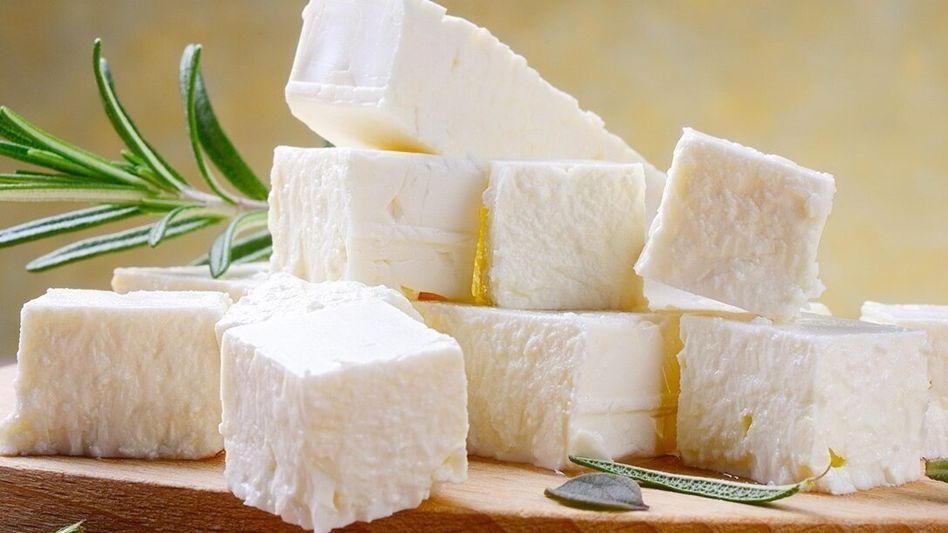
During the season of weddings, parties and festivals, if you are purchasing loose cheese from the market or dairy, then you need to be very cautious. In the name of taste and protein, ‘Synthetic / Fake Paneer’ prepared with deadly chemicals and substandard ingredients is being served to your plate in the market. The Food Safety and Drug Administration (FSDA) team, while conducting a raid on the basis of a secret information, recovered about 1038 kg of fake cheese being prepared with dangerous whitening agent, palm oil, substandard detergent and starch and destroyed it on the spot. After this major action, there has been a stir among the adulterators, while the administration has issued a warning to the general public to take special care while buying cheese.
The game of whitening agents and palm oil: How is this poisonous cheese made?
What was revealed by the food safety officials during the raid is shocking. To earn profit, adulterants were preparing cheese only on chemical formula without any real milk.
-
Whitening Agents and Synthetic Colours: To make the cheese look shiny, white and fresh, dangerous chemical whitening agents were being added to it, which are usually used in paint or industrial bleaching.
-
Palm Oil and Refined Fat: Instead of real milk cream (fat), cheap palm oil and synthetic liquids were being used to increase the fat percentage.
-
Mixture of starch and urea: To give the cheese a heavy and solid texture, it was being processed by making a thick solution of arrowroot (starch), detergent and urea.
Has serious impact on health: risk of cancer and liver failure
According to doctors and health experts, consumption of fake cheese containing chemicals can prove to be extremely dangerous for the body.
-
The synthetic whiteners and detergents present in it directly harm the liver and kidneys, increasing the risk of liver cirrhosis or kidney failure.
-
Consuming such adulterated cheese continuously can lead to serious stomach ulcers, inflammation in the intestines and, in the long term, the risk of stomach cancer.
-
Its consumption can suddenly cause food poisoning, vomiting and diarrhea in children and elderly people.
How to identify real and fake cheese at home? (Simple Testing Hacks)
Common consumers can easily identify the difference between real and fake cheese by using some simple tests available in the kitchen:
-
1. Iodine or Tincture Test (Iodine Test for Starch): Boil a small piece of cheese in water and cool it. Now put 2 to 3 drops of iodine tincture on it. If the color of the cheese turns blue or black, then understand that arrowroot or starch has been added to it. The color of real cheese will not change.
-
2. Texture Test: Place a piece of cheese on your palm and mash it with your fingers. Real cheese will be creamy and will feel smooth when broken. At the same time, fake cheese will start falling apart, feel sticky or stretch like rubber.
-
3. Arhar Dal/Soybean Powder Test: Add some ground pigeon pea or soybean flour to the boiled paneer water. If the mixture starts turning red after 5 minutes, it means that detergent or urea has been adulterated in the cheese.
-
4. Boiling in hot water: When real cheese is put in hot water, it becomes softer, whereas fake cheese made with chemicals becomes hard and stretchy like rubber.
Administration’s appeal: Buy only from registered and sealed shops
Food department officials have appealed to consumers to avoid buying loose and unclaimed cheese available at extremely cheap prices. Always prefer packed paneer from FSSAI registered dairy or trusted brands. If there is any doubt about the quality of cheese at a shop, immediately lodge a complaint on the toll-free number or online portal of the Food Safety Department.