 look news india

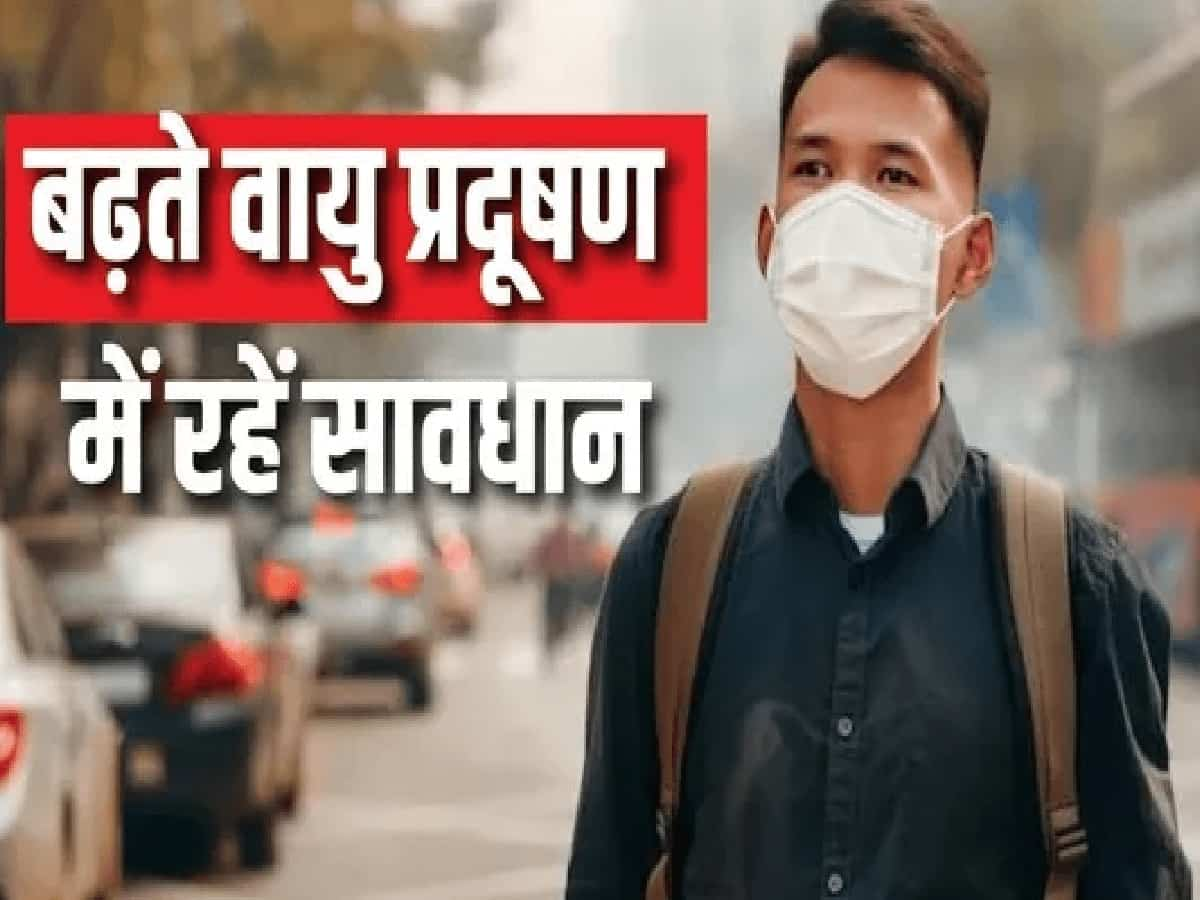
With the onset of winter, the level of air pollution in many major cities of the country is rapidly crossing dangerous limits. The continuous fall of Air Quality Index (AQI) from the capital Delhi-NCR to the industrial and densely populated areas of North India is ringing a serious alarm for the health of every citizen. Uncontrolled smoke from vehicles running on the roads, stubble burning on a large scale in neighboring states, dust blown from construction works and slow wind speed have combined to turn the entire environment into a poisonous gas chamber. This situation is most challenging for those working people and youth who have to go to office or college daily for their livelihood and studies. Very fine particulate matter floating in the air like PM 2.5 and PM 10 are directly entering our respiratory system through breath. Prolonged exposure to these toxic particles deeply damages the lung tissue and increases the risk of life-threatening diseases like asthma, chronic bronchitis and chronic obstructive pulmonary disease manifold. In such a dangerous environment, it has become extremely important to protect our lungs and overall health by continuing our daily routine.
If your work is such that you have to cross the threshold of your house every day amidst traffic and crowd, then make the most basic and effective safety measures a habit. Whenever you step out of the house, always wear a certified and good quality N95 or N99 respirator mask with proper fitting. Many people wrap their face with a simple cotton handkerchief, scarf or a normal surgical mask, but medical research has made it clear that these clothes are completely incapable of blocking toxic particles smaller than 2.5 microns present in the air. These microscopic particles cross the fibers of ordinary clothes and reach directly into the depths of your lungs. Also, whenever the air quality index of your area is recorded in the very poor or severe category, completely avoid running, brisk walking or doing heavy workouts on open roads or parks in the illusion of fresh early morning air. Due to the cold air in the morning and late evening, the layer of pollution is closest to the ground, so taking a deep breath outside at that time is like directly filling the body with poison. Instead, keep yourself fit by stretching and doing light exercises indoors.
Most people have a misconception that the danger of pollution exists only on the streets outside the walls, whereas scientific research shows that indoor air pollution can be equally dangerous. Contaminated outside air enters our homes and workplaces through the cracks of windows and doors and gets accumulated in closed rooms. So to improve your indoor air quality, use air purifiers equipped with high-efficiency HEPA (high-efficiency particulate air) filters in key rooms and workspaces whenever possible. Additionally, plant indoor plants like snake plant, spider plant, aloe vera and money plant in your living and working space which are known as natural air purifiers which help in absorbing toxins like carbon monoxide and benzene from the atmosphere. The most important thing is to avoid creating any kind of artificial smoke inside the house during this severe seasonal period. Completely avoid burning incense sticks, incense sticks, mosquito coils or scented candles containing chemicals in rooms, because the smoke emanating from them further increases the density of fine carbon particles in closed rooms.
Only external protection from pollution is not enough, but it is equally essential to strengthen the body’s internal defense system i.e. immunity. To fight toxic air, increase the amount of antioxidant-rich foods in your daily diet. Drink adequate amount of lukewarm or normal water at regular intervals throughout the day, so that the inner mucus layer of your respiratory tract always remains moist and hydrated. When the respiratory tract remains well hydrated, it is better able to prevent dust and microscopic pollutants from penetrating deep into the lungs. Include seasonal fruits rich in vitamin C like amla, orange, lemon and guava in your diet, which prevent free radical damage in the lungs. Additionally, regularly consume natural sources of vitamin E such as almonds, walnuts and sunflower seeds and chia seeds or flaxseeds, which are rich in omega-3 fatty acids. Traditionally, tea or decoction of jaggery and ginger is also considered very effective in removing the mucus and toxins accumulated in the lungs in a natural way.
Yoga and Pranayama are the most scientific methods for maintaining the biological capacity of the lungs and cleaning them in the era of pollution. When the air outside is poisonous, close all the windows and doors of the house properly in the morning and practice yoga in indoor environment only. Regularly take out 15 to 20 minutes for Anulom-Vilom Pranayam, Soumya Kapalbhati and Deep Belly Breathing. Anulom-Vilom improves the balance of the microscopic tubes of the respiratory system and increases the absorption of oxygen. Kapalbhati done at a slow pace helps in pushing out the stale air and microscopic particles accumulated in the lower parts of the lungs. By deep and slow breathing, the air sacs i.e. alveoli of the lungs open completely, due to which pure oxygen reaches every part of the body and the stress level also remains under control.
Due to continuous exposure to air pollution, the body starts giving many warning signals, which people often ignore as normal seasonal changes. If you have a persistent dry or mucus-filled cough without any known cause, a persistent sore or burning sensation in the throat, a feeling of heaviness or tightness in the chest, or shortness of breath while climbing stairs or walking normally, do not take it lightly. These symptoms may indicate the onset of deep inflammation and infection in the respiratory tract. In any such situation, instead of taking over-the-counter medicines on your own, immediately consult a qualified pulmonologist or general physician. Timely medical checkups, monitoring of oxygen levels with a pulse oximeter and use of the right inhaler or medicines can prevent any permanent damage to the lungs.