 look news india

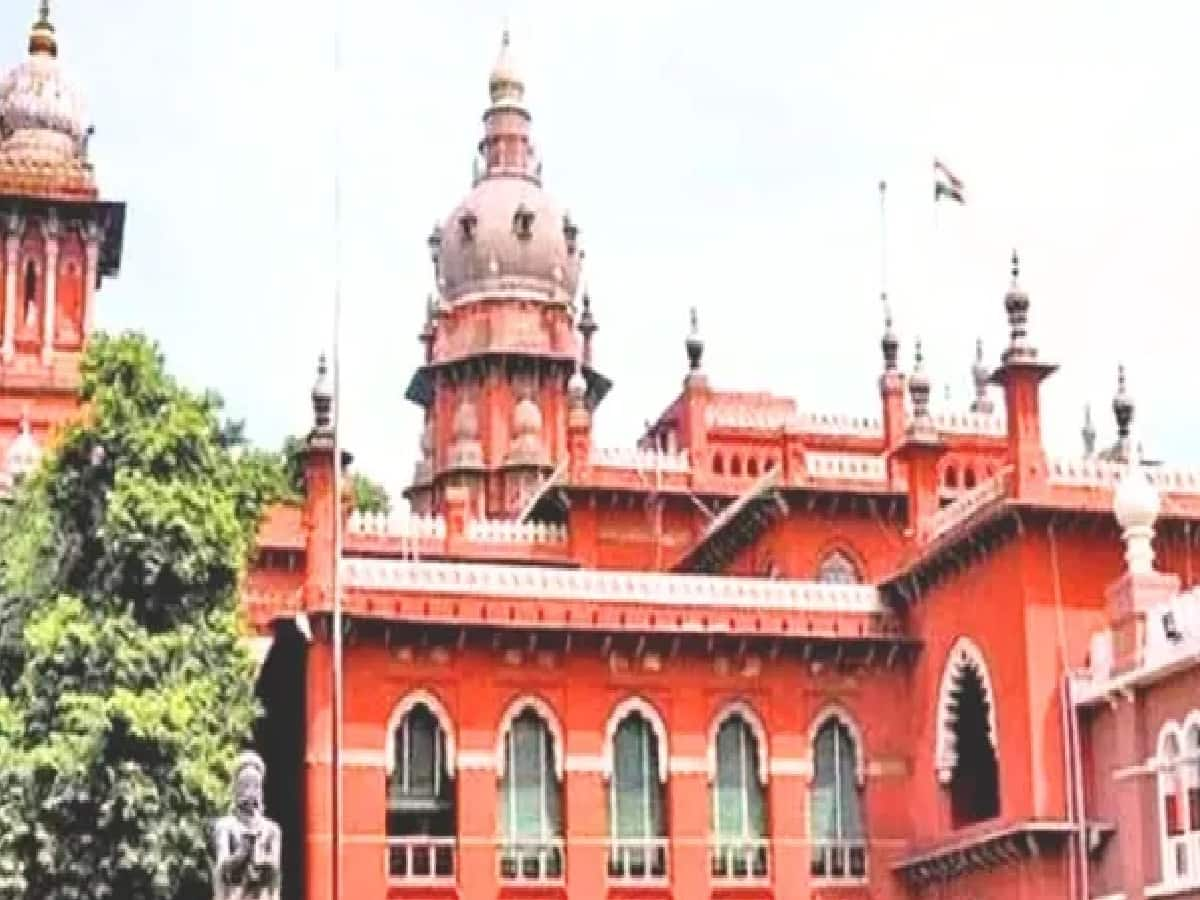
A decision giving a very strong, important and far-reaching message has emerged from the legal corridors of the country within the ambit of the Indian Judiciary, law and constitutional decorum. Madras High Court Has made a historic comment by setting limits on freedom of speech. The court has said in clear words that the freedom of expression provided by the Constitution does not at all mean that any person or organization should use obscene, derogatory, defamatory or caste-based language against any sitting judge of the court of the country. The court said that intellectual and legal criticism of judicial decisions is legally acceptable, but directly attacking the personal dignity of a judge or intimidating him on the basis of that decision will not be tolerated under any circumstances. Along with this, the court has also issued strict instructions to the state police administration. Let us know in detail what is the complete background behind this important order of Madras High Court and due to which controversies this strict step has been taken.
There is a clear legal distinction between criticism of a judgment and personal attack on a judge.
During the hearing, the division bench of the Madras High Court laid special emphasis on the fact that an independent judiciary is the biggest pillar of democracy, and it is the duty of every citizen to maintain its dignity. The court underlined in its order that review and healthy criticism of any legal decision, order or judicial process can be a part of the right to expression under Article 19(1)(a) of the Constitution.
But, when in the guise of criticism, a sitting judge is personally defamed, derogatory words are used against him or malicious comments are made targeting his caste, then it amounts to a crime under law. Such activities cannot be considered safe at all under the guise of ‘Free Speech’. The court made it clear that such attacks on the independence and impartiality of the judiciary demoralize the entire judicial system, to stop which the judiciary itself had to come forward.
Strict instructions to Tamil Nadu Police: Ban on demonstrations involving personal attacks and threats
The Court did not limit itself to mere verbal remarks, but also issued very clear and strict instructions to the police machinery handling the law and order of the state. The court has ordered the Tamil Nadu Police not to allow any public meeting, rally or protest march in future which has the covert or overt objective of personally targeting, defaming or publicly intimidating a sitting judge.
The Court directed the authorities that if permission is taken by any group or organization under the guise of a general event or a peaceful demonstration, and later that platform is used for derogatory language or personal attacks against the judges, then the local administration and police authorities will have full authority to stop that event with immediate effect and ensure appropriate legal action against the miscreants present there.
Chief Justice’s bench gave its verdict on PIL
This whole matter is R. The matter has come to light during the hearing of an important public interest litigation (PIL) filed in the Madras High Court by a petitioner named Karthikeyan. Hearing on this petition Madras High Court Chief Justice Sushrut Arvind Dharmadhikari and Justice G. Justice G. Arul Murugan Made by the Division Bench of.
The petitioner had pleaded before the court that large-scale demonstrations have been held recently by some local and religious organizations like ‘Tamil Nadu Tauheed Jamaat’ (TNTJ) and ‘Tamil Nadu Muslim Munnetra Kazhagam’ (TMMK) against the judicial actions. The petition alleged that during these protests, the constitutional courts and especially the sitting judges of the bench which had delivered the verdict in a sensitive case were being personally targeted. The petitioner had sought immediate intervention of the court to stop such contempt of court and personal attacks.
What is the whole controversy? Politics was heated due to a decision of reservation
The roots of this entire legal dispute are linked to a major judgment delivered by the Madurai Bench of the Madras High Court on June 25. In that decision, the court had struck down a controversial Government Order (GO) of the Tamil Nadu government of the year 2024, terming it completely unconstitutional.
Under that state government order, people belonging to the Backward Classes (BC), Most Backward Classes (MBC), Denotified Communities (DNC) or Scheduled Castes (SC)—who had converted to Islam—were allowed to avail the benefits of the state’s 3.5% reservation earmarked for ‘Backward Class (Muslim)’ communities. When the Madurai Bench rejected this government order, massive protests broke out across the state by various Muslim and social organizations.
According to the complaint, initially the protest was at the policy and political level, but gradually the protest allegedly transformed into abusive campaigns and personal attacks. A sitting judge of the division bench who had delivered that judgment was directly targeted by the protesters and some speakers. In view of this entire incident and the increasing tension, the court has taken suo motu cognizance and passed this strict order, which has sent a strong message to the judicial complexes and legal corridors across the country.