 look news india

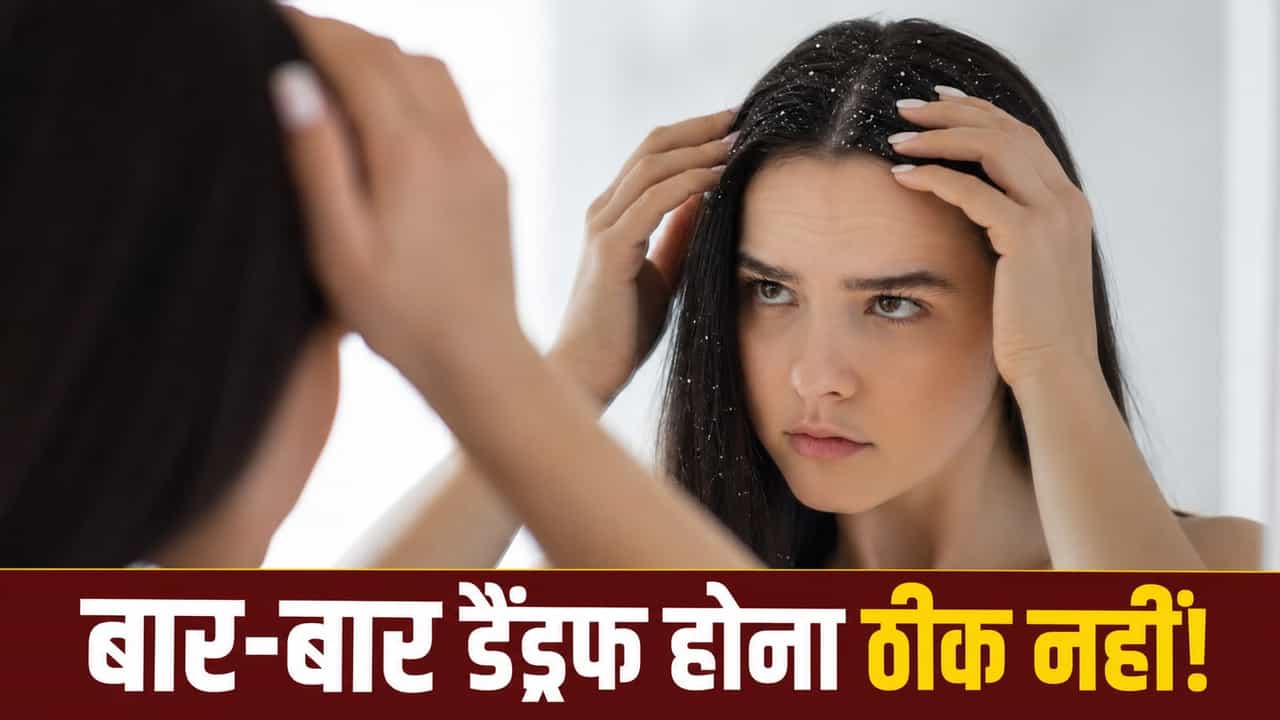
Be it winter season or the humidity of monsoon, white-yellow dandruff flakes falling on the shoulders not only cause discomfort and embarrassment to millions of people, but also become a major cause of constant intense itching in the head and hair fall. There is a common belief in the society that if someone has dandruff in his head, it simply means that he does not wash his hair properly or dirt has accumulated in his head. However, experts in dermatology and trichology completely reject this. According to medical science, dandruff in the scalp is not just the result of dust or uncleanliness, but it is the result of many complex biological reactions taking place in the internal biome of the scalp, glands and the internal health of the body. Without knowing the real reason, just changing the normal oil or shampoo will never cure this problem.
The Myth of Dandruff and Dirt: The Real Game of What Happens to the Scalp
There is a natural process in our skin which is called ‘Skin Cell Turnover’. Under normal circumstances, the old dead skin cells of the head gradually fall off in about 28 to 30 days and are replaced by new cells. This process is so subtle that it is not visible to the normal eye. When due to some internal or external reason this skin renewal cycle gets accelerated and dead cells start forming and falling off rapidly within just 2 to 7 days instead of 28 days, they stick together and form white or yellow flakes, which we call ‘dandruff’. Therefore dandruff is not just external dust accumulated on the head, but it is a pathological condition of excessive shedding of skin cells.
‘Malassezia’ fungus and imbalance of sebum: the main biological reason for the formation of flakes
Among the main causes of dandruff, the role of a fungus (yeast) called ‘Malassezia Globosa’ is considered to be the most important. This microscopic fungus is naturally present on the scalp of every healthy person. When the sebaceous glands of the head start producing excess oil (sebum), then this fungus makes that sebum its food.
In the process of digesting sebum, this fungus releases ‘oleic acid’ as a by-product. The scalp of more than 50 percent of people around the world is highly sensitive (hypersensitive) to this oleic acid. When oleic acid irritates and inflames the skin, the scalp rapidly sheds cells to protect itself, leading to the formation of large amounts of dandruff flakes.
Seborrheic Dermatitis, Psoriasis and Side Effects of Chemical Hair Products
Many times other skin related medical disorders are also hidden behind dandruff:
-
Seborrheic Dermatitis: This is a severe form of dandruff. In this, a sticky, yellow and scaly layer starts forming not only on the scalp but also on the eyebrows, sides of the nose, behind the ears and chest, which causes severe burning sensation and redness.
-
Scalp Psoriasis: It is an autoimmune condition, in which skin cells grow very fast and form silvery, thick and dry scales on the head, which many times people ignore as ordinary dandruff.
-
Contact Dermatitis: Excessive use of serums or gels containing sulphates, parabens, artificial fragrances, hair dyes and chemicals makes the scalp peel off, causing dry flakes to fall off in the form of an allergic reaction.
Dry Scalp vs Oily Dandruff: Are You Being Cheated by Both?
Most people do not understand the difference between dry scalp and real dandruff, due to which their treatment goes in the wrong direction.
-
Dry Scalp: When the entire body and scalp lack moisture, the air is too cold or dry, or you wash the head with extremely hot water, very small, light and dry white particles fall off from the head. Hair does not become sticky in this. Applying oil or moisturizing conditioner provides relief.
-
Oily Dandruff: This is caused by fungal infection and excessive oil production. Its flakes are large, yellow, sticky and oily which stick to the hair roots and come out when scraped with nails. In this situation, if you apply heavy oil (like mustard or coconut oil) on the head, then the fungus gets more food and instead of reducing dandruff, it increases manifold.
Stress, lack of nutrients in food and changing weather
Dandruff is also directly related to your mental stress and lifestyle. Due to excessive mental stress, the level of ‘cortisol’ hormone increases in the body, which weakens the immune system and uncontrolled the production of sebum on the scalp. Additionally, consumption of excessive refined sugar, junk food, dairy products and saturated fat increases inflammation in the body. Deficiency of zinc, B-complex vitamins (especially B6 and B12) and omega-3 fatty acids in the body also invites dandruff by weakening the moisture and barrier function of the skin.
Weather and local environment also play an important role. The fungus grows rapidly in extremely humid and sweaty weather, while the dry air of winter and the ‘hard water’ (calcium and magnesium salts present in salty and heavy water) of metropolitan cities make dandruff worse by disturbing the natural pH balance of the scalp.
What dermatologists say to get rid of dandruff forever
Cosmetic shampoos alone are not enough to control the problem of dandruff; For this, it is important to choose medicated products with the right active ingredients:
-
Shampoos with active ingredients: Use anti-dandruff shampoos that contain ‘ketoconazole’, ‘zinc pyrithione’ (ZPTO), ‘selenium sulphide’, ‘salicylic acid’ or ‘coal tar’.
-
Correct way to apply: Instead of simply applying the medicated shampoo to the hair and washing it off immediately, apply it to the roots of the scalp with your fingertips and leave it on for at least 5 minutes so that the active salts can affect the fungus, then wash with lukewarm water.
-
Avoidance of oiling: If you have problem of oily dandruff and itching, then completely avoid applying oil on your scalp.
-
Balanced diet and hydration: Include green leafy vegetables, flax seeds, walnuts, eggs and adequate amount of water in your diet and get good sleep for at least 7 to 8 hours a day.