 look news india

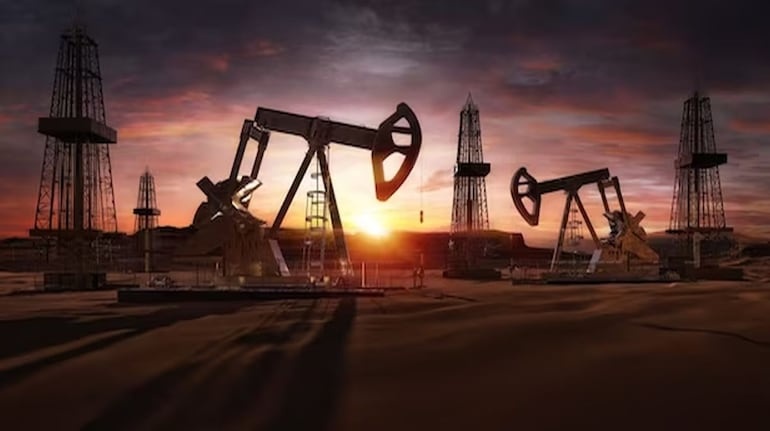
A very big and relief news is coming out from the Global Energy Market. Due to the ongoing diplomatic efforts between America and Iran and normalization of movement of commercial ships in the Strait of Hormuz, the trend of decline in crude oil prices is continuing. On Wednesday, June 24, 2026, crude oil prices slipped further in the international market.
Crude oil prices have now fallen from record highs reached during this major military conflict that began at the end of February. A steep decline of one-third (over 33%) She has arrived.
Latest crude oil prices: Brent crude slips near $76 and WTI slips near $72
Both the major benchmark futures in the global markets are trading in the negative zone:
-
Brent Crude: Brent crude futures for August delivery, considered the international standard, rose again today after falling 1.1% in the previous session. Fell 0.45% to $76.73 per barrel But it has arrived.
-
US WTI (WTI Crude): American West Texas Intermediate crude futures also today down 0.48% to $72.86 per barrel But it is trending.
4 main reasons for the fall in oil prices (Global Developments)
According to global commodity experts, the following four major diplomatic and strategic developments are responsible for the pressure on oil prices and increase in supply:
1. Diplomatic talks between America and Iran
There have been signs of positive progress on the initial front to end the military tension between Washington and Tehran that has been going on since February. Although this conversation is expected to drag on for a long time, but as part of the diplomatic process, America has temporarily Waiver to buy Iranian oil Has given. After receiving this exemption, Iranian exporters have once again become commercially associated with the big refining countries of Asia, due to which the supply of oil in the market has increased.
2. Shipping activity becomes normal in Hormuz Strait
The movement of ships and oil tankers through the world’s most important maritime oil route ‘Strait of Hormuz’ has now become completely normal. Hundreds of ships stranded in the Persian Gulf have come out safely after the International Maritime Organization (IMO) got assurance of safety. The confidence of ship owners has increased so much that they are now keeping their satellite tracking systems continuously active.
3. Gulf countries increased production on war footing
Major oil producing countries of the Persian Gulf are rapidly increasing production to re-establish their exports in the market:
-
United Arab Emirates (UAE): According to the International Energy Agency (IEA), the UAE has reached its pre-war production level. 85% share Have achieved it again.
-
Kuwait and Iraq: Kuwait has withdrawn all its ‘Force Majeure’ (emergency restrictions) measures imposed on oil supply, while Iraq is also continuously increasing production.
4. Challenge to US President Donald Trump from the Senate
There has also been a major upheaval in American domestic politics regarding this war. The Republican-controlled Senate has approved a historic resolution to end US interference in the ongoing military conflict with Iran. However, with this symbolic step the President donald trump While no immediate changes are expected in the main policies of the U.S. administration, it clearly shows that political and domestic support within the United States for this military campaign is extremely limited.
What will the market keep an eye on going forward?
The crude oil market is now eyeing the fact that Iran and Oman What is the outcome of the new agreement controlling the administration of the Strait of Hormuz. There is slight concern in the market that Tehran may impose additional transit charges (additional fees) on ships passing through this strategic route. If this conversation is also resolved, then in the coming days we may see a big relief in the prices of petrol and diesel in the Indian markets.