 look news india

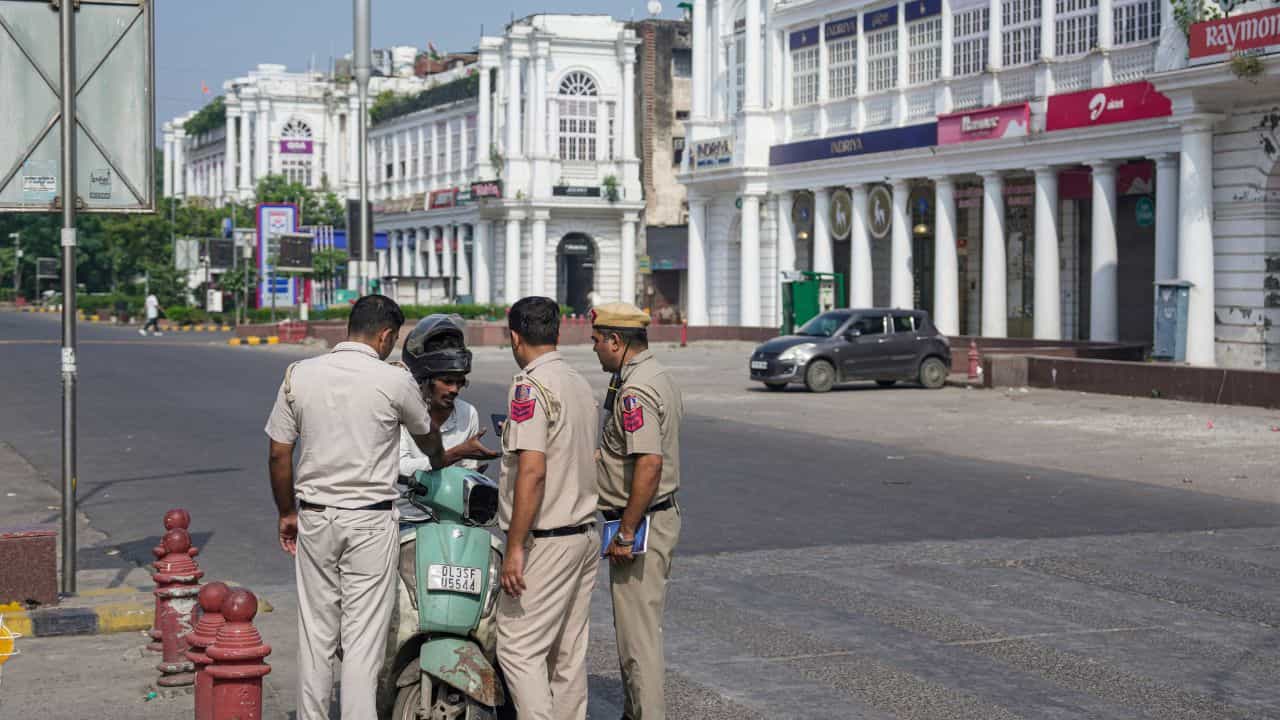
The retail and wholesale traders of the country’s capital Delhi, standing on the threshold of the festive season, got a big shock on Saturday when the shutters of the major markets of Central Delhi, including Connaught Place (CP), which is called the heart of Delhi, remained down throughout the day. The entire New Delhi turned into a cantonment due to the massive protest (‘Jantar-Mantar 2.0’) called by Citizens for Justice and Peace (CJP) and joint forums against the Election Commission and the Chief Election Commissioner at Jantar Mantar. Due to security concerns, entry-exit closure of many metro stations, heavy barricading and fear of possible disturbance, traders decided to keep their shops and establishments closed. According to preliminary estimates by the New Delhi Traders Association (NDTA) and the Chamber of Trade and Industry (CTI), Delhi’s traders have suffered a direct business loss of about Rs 2,000 crore due to the closure of business on the only day of the weekend.
Usually, on Saturdays and Sundays, lakhs of people from Delhi-NCR and neighboring states flock to areas like Connaught Place, Khan Market, Janpath and Palika Bazaar for shopping and eating. Due to the festivals of Navratri and upcoming Diwali, traders had filled the shops with new stocks and were expecting huge sales. However, due to the gathering of protesters since morning, police blockade at various places and imposition of Section 144, buyers could not come out of their homes. Traders say that whereas on normal days there was no space to set foot in the markets at this time, today only police personnel, paramilitary forces and silence were seen in the streets and corridors.
According to Brijesh Goyal, President of the Chamber of Trade and Industry (CTI), the impact of the tension around Jantar Mantar and Lutyens Delhi was not limited to Connaught Place only, but its scope spread to the entire business network of Delhi. The movement of customers and goods vehicles was also completely disrupted in Asia’s largest wholesale markets like Chandni Chowk, Sadar Bazaar, Kashmiri Gate, Chawri Bazaar and Karol Bagh. According to CTI data, due to protests and traffic restrictions, Delhi’s total trade dropped to just 30 percent of the normal level, which means a huge decline of 70 percent has been recorded. This disruption has directly affected the livelihood of about 15 lakh small and big traders, retailers and daily wage earners in Delhi.
One of the main reasons for the loss of traders was the halt of Delhi Metro and public transport. To maintain law and order, on the advice of Delhi Police, DMRC had closed the gates of many important metro stations including Rajiv Chowk, Patel Chowk, Central Secretariat, Udyog Bhawan and Janpath. Additionally, digital payments, online billing and cab services were also disrupted due to temporary suspension of mobile internet services in parts of central Delhi. Traders who came to Delhi from outside cities (like Noida, Gurugram, Ghaziabad and Faridabad) to make bulk purchases returned due to traffic jams and restrictions on the way, due to which the goods kept in the shops were destroyed.
Hundreds of restaurants, bars, cafes, cinema halls and salons located in Connaught Place and surrounding areas have also had to pay a heavy price for this bandh. On weekends, the footfall at these places is 3 to 4 times more than on normal days, but in view of the nuisance and security threat, customers canceled their already made table and movie ticket bookings en masse. Representatives of the Khan Market Traders Association also expressed concern, saying that in a premium market like Khan Market, closure of shop for a day causes a loss of lakhs per trader, and the loss doubles due to perishable food items kept in the restaurant becoming unusable.
New Delhi Traders Association (NDTA) and other trade organizations have expressed deep anger over this entire incident. Trader representatives said that in a democracy, every citizen and organization has the right to hold peaceful protests, but this right should not be exercised at the cost of the safety of common citizens, disruption of essential services and loss of billions of rupees to traders. Traders have demanded from the Central Government and the Lieutenant Governor that there should be a permanent ban on any kind of large protests in the busiest commercial and residential areas like Jantar Mantar or Connaught Place and the protest sites should be shifted to any open ground or designated peripheral areas away from the city, so that the traders, who are considered the economic backbone of the country, can be saved from such crisis during the festive season.