 look news india

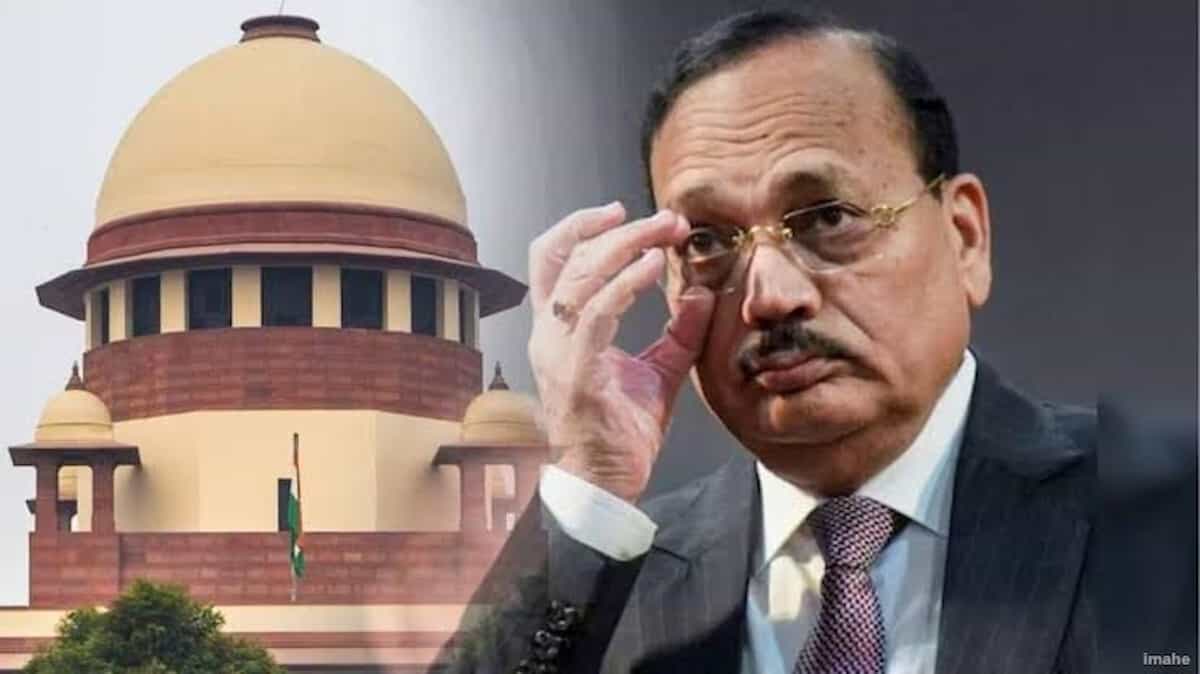
A very big and tough decision has been taken today in the history of Indian judiciary. There is now a complete ban on live streaming of courts of the country or sharing, reposting or making video clips of court proceedings viral on social media in any form. Chief Justice of India (CJI) Surya Kant has taken this strict stance, expressing deep displeasure over this matter. After this new instruction of the Supreme Court, now reposting court videos on various digital platforms like X (Twitter), Instagram, YouTube and Facebook can prove costly legally.
CJI Surya Kant angry over social media reels
The main reason behind this big and historic decision is a strange trend that has increased on social media in recent times. In fact, during the live hearing of the courts, people were making reels, shorts and memes by clipping the heated debates or selected statements of the judges and lawyers and making them viral. Chief Justice (CJI) Surya Kant expressed strong objection to this and said that the court is not a means of entertainment. By presenting the video clips out of context, an attempt was being made to tarnish the image of the judges and insult the dignity of the justice system, which will no longer be tolerated at any cost.
Violation of digital guidelines and privacy became a major reason
The Court believes that the cross-examination taking place inside the court is extremely sensitive. In many cases, the safety and privacy of victims, witnesses and accused are at stake. When these videos are distorted and presented to the public, it not only affects the court proceedings but also sends a wrong message to the society. Under the new order, it has been made clear that official live streaming can be viewed only on authorized platforms and no part of it can be reposted for personal gain, to increase views or reach.
Contempt of court action will be taken against those who break the rules
After the implementation of this strict order of the Supreme Court, now this rule will be strictly effective on all the High Courts and lower courts across the country. If any social media user, influencer or digital creator is found illegally sharing video or audio clips of the court, serious legal action will be taken against him under the Information Technology Act (IT Act) and contempt of court. Experts believe that with this decision, transparency in court work as well as its dignity will be protected.