 look news india

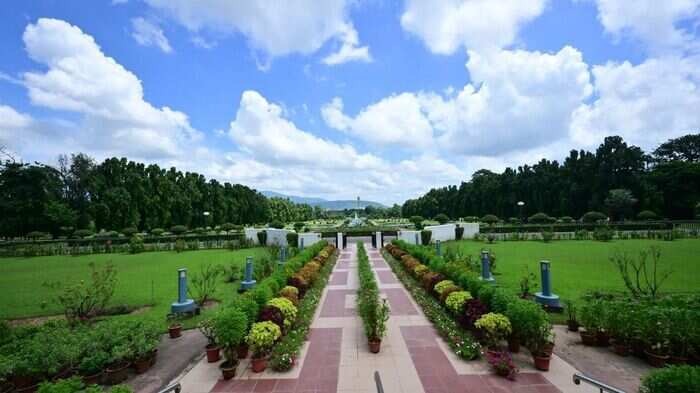
On the occasion of World Cities Day, when sustainable and inclusive urban development is being discussed across the world, the city of Jamshedpur, which shines on the industrial map of India, stands out as a unique example. This city situated on the soil of Jharkhand is not only known throughout the world for the production of iron and steel, but it is also counted as the ‘city of hearts’ and one of the most planned model cities of India. The visionary thinking with which the foundation of this city was laid a century ago proved that industrial progress, human sensibilities and environmental protection can go hand in hand. Thanks to the great vision of Tata Group founder Jamsetji Tata, today the city has become a living symbol of urban planning, civic amenities and community well-being. Let us know in this special report how Jamshedpur, known as the City of Steel, has established itself as an ideal model city by maintaining the heritage of values.
When Jamshedpur city was envisioned, its objective was not just to set up a modern steel plant but also to develop a beautiful and safe haven for the laborers, engineers and their families where they could live a dignified life. If we turn the pages of history, the founders of the Tata Group had clearly given instructions that this city would have wide roads, shady trees on both sides, large grounds for sports and the best hospitals and schools would be established for the health of the citizens. Today, even after more than a century, the original lifestyle and urban architecture of Jamshedpur remains intact. With the first rays of the morning, people strolling on tree-lined streets, parks resonating with children’s laughter and disciplined traffic testify that this city gives priority to human comfort far beyond concrete jungles.
What sets Jamshedpur apart from other Indian metros is its impeccable administrative system and civic amenities. Tata Steel and local administrative bodies work together to maintain strong city infrastructure, improve waste management and preserve green spaces. The city has repeatedly recorded its excellent position in the cleanliness surveys of the Government of India. Here, sewage treatment plant, modern water supply and easy transportation system have greatly raised the standard of living of the citizens. Vast green areas like Jubilee Park, known as the City of Parks and Lakes, are a testament to how environmental balance is kept at the center of urban development.
The spirit of ‘Regenerating the City: Adequate Housing for All’, the theme of World Cities Day 2026, has been ingrained in the fabric of Jamshedpur for years. Here, not only industrial housing, but the concept of affordable and safe housing system for every section of the society has been realized. The work done by the Tata Group through its Corporate Social Responsibility (CSR) initiatives in the fields of education, health, skill development and sports has brought every citizen of the city into the mainstream of development. This is the reason why the people living here consider it not just a workplace but their family and ‘city of hearts’, where people from different states and cultures have been living together in brotherhood for decades.
Today, when all the big cities of the country are facing serious problems like unplanned expansion, pollution, water crisis and irregular traffic, Jamshedpur’s model is like a case study for other emerging urban centers of the country. This city teaches that if environmental protection, mental and physical health of citizens and community participation are kept at the top in urban planning, then how an ideal and sustainable city can be built. This model of Jamshedpur, built by combining human values and sensitivity with the strength of steel, is today presenting an excellent example of modern and sustainable urbanization for the whole world.