 look news india

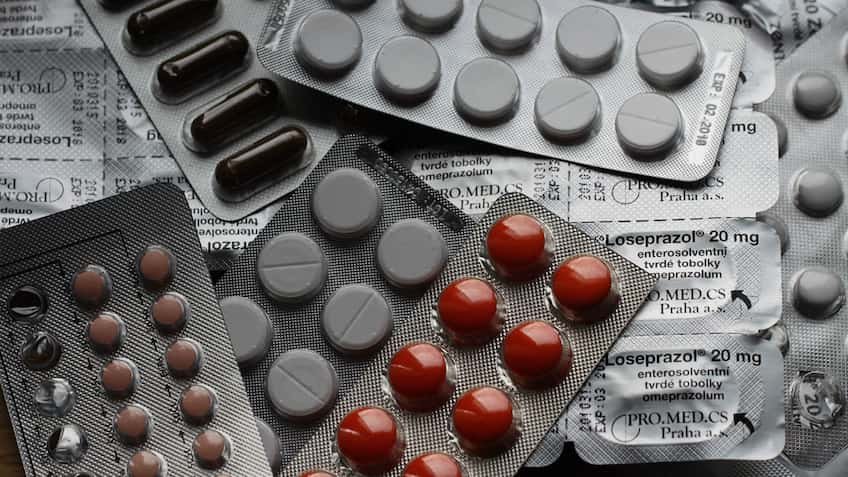
A big relief news has come from the Central Government for lakhs of patients and their families suffering from the serious and deadly disease cancer across the country. Amidst the skyrocketing prices of expensive treatments and life-saving drugs, the government has taken a historic step to control the retail prices of non-scheduled anti-cancer drugs. The National Pharmaceutical Pricing Authority (NPPA), working under the Ministry of Chemicals and Fertilizers, has issued an official gazette notification limiting the trade margin (Trade Margin Rationalization – TMR) on a total of 137 major anti-cancer drugs to a maximum of 30 percent. This step will see a huge drop of 50 to 70 percent in the maximum retail price (MRP) of these 137 cancer medicines in retail medical stores and hospitals. Zee Business had already expressed the possibility that the government is going to take a big decision on cancer medicines in the festive season, which has now been officially approved by the order of the Central Government. This decision will prove to be a lifesaver for the patients undergoing treatment at King George Medical University (KGMU) in Lucknow, the capital of Uttar Pradesh, Dr. Ram Manohar Lohia Institute of Medical Sciences, Sanjay Gandhi PGI (SGPGIMS) and Kalyan Singh Super Specialty Cancer Institute, Delhi AIIMS, Tata Memorial Hospital in Mumbai and cancer care centers across the country.
This order has been issued by NPPA in exercise of extraordinary powers under Para 19 of the Drugs (Price Control) Order i.e. DPCO, 2013. As per new rules, revised and reduced prices 9 November 2026 This will be implemented compulsorily on all medical stores, private hospitals and online pharmacy platforms across the country. Government data and pharma market analysts estimate that this move will reduce the annual out-of-pocket expenditure of cancer patients across the country by approximately Direct annual savings of ₹2,500 crore Will happen. India’s domestic oncology (cancer) market is currently worth about ₹12,500 crore, the majority of which was non-scheduled drugs, on which suppliers, stockists and private hospitals were charging huge mark-ups ranging from 170% to 700%. Now, by fixing the limit of 30% trade margin, this unbridled profiteering will be completely stopped.
The list of 137 medicines released by the government includes extremely expensive life-saving medicines which are considered essential in modern immunotherapy, chemotherapy and targeted cancer therapy. These include the major salts used in the treatment of lung cancer, breast cancer, cervical cancer, prostate cancer, colorectal cancer and leukemia (blood cancer):
-
Pembrolizumab: This injection, used in modern immunotherapy, a dose of which earlier used to cost lakhs of rupees, will see a huge reduction in its price.
-
Nivolumab: Life-saving drug effective in the treatment of advanced stage cancer.
-
Palbociclib and Ribociclib: Salts for daily oral therapy in patients with metastatic breast cancer.
-
Bevacizumab and Osimertinib: Targeted drugs that block blood vessels in the lungs and tumors.
-
Olaparib, Daratumumab and Enzalutamide: Extremely expensive medicines for ovarian cancer, multiple myeloma and prostate cancer.
NPPA has notified a scientific and transparent formula for pricing to prevent profiteering. Under this, the maximum retail price (MRP) will be decided on the basis of the price received by the stockist or distributor i.e. ‘Price to Stockist’ (PTS):
-
According to the new notification, the trade margin in the maximum MRP of any non-scheduled drug not more than 30% It is possible.
-
The mathematical effect of this is that only a maximum of 42.86% markup can be added on the Distributor Price (PTS) (which will include the combined profit of the stockist, wholesaler and retailer).
-
For example, if the stockist purchase cost of an anti-cancer injection is ₹1,000, earlier private hospitals or pharmacies used to sell it by printing an MRP of ₹3,000 to ₹5,000. Now, under the new formula, its maximum MRP will not be more than about ₹ 1,428 (plus applicable GST). Due to this, the patient will directly have to pay 60 to 70 percent less price.
The central government had earlier capped the trade margin of 42 select non-scheduled cancer drugs at 30% under a pilot project in February 2019. That historic decision led to a massive decline of up to 90% in the MRP of 526 leading brands, saving patients approximately ₹984 crore every year. Following the immense success of the 2019 model and public demand from various states (such as Maharashtra, Rajasthan, Karnataka and Uttar Pradesh), the government has now directly expanded its scope to 137 medicines.
NPPA has clarified that no artificial shortage of life saving medicines should be created in the market in the name of reducing prices. For this, strict guidelines have been set for drug manufacturers and importing companies:
-
New MRP list in 7 days: All pharmaceutical companies will have to upload the revised MRP through Form V on the Integrated Pharmaceutical Database Management System (IPDMS) of NPPA and submit it to the State Drug Controllers within the next 7 days.
-
Public notice in newspapers and website: Companies will have to give wide publicity to the reduced prices by placing advertisements in national newspapers and creating a DPCO section on the homepage of their official website.
-
Complete ban on reducing production: No manufacturing company can make any reduction in its existing monthly production or import levels without prior permission of NPPA. To stop production, it will be mandatory to give advance notice in Form-IV at least 6 months in advance.
-
Mandatory rules for hospitals: Private hospitals, nursing homes and cancer institutes have been directed to prominently display the reduced new rates of these 137 medicines on the display boards of their in-house medical stores from November 9, 2026, and charge only the revised MRP from patients.
The rate of cancer cases in India is about 60 new patients per 1 lakh population. As soon as cancer is diagnosed, the entire life savings and wealth of middle-class and low-income families are lost in the cost of treatment. With the government imposing a 30% cap on trade margins and reducing the prices of 137 medicines by 70%, millions of cancer warriors in the country will have the right to dignified, accessible and affordable healthcare. This decision, which will come into effect from November 9, will be counted among the biggest reforms in the history of the Indian healthcare system.