look news india

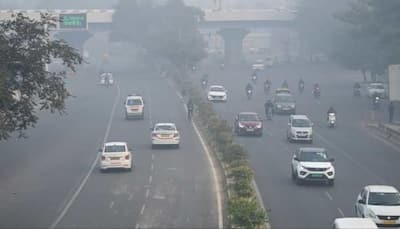
Deteriorating air quality in Delhi and North Delhi has raised international health concerns. The United Kingdom, Canada and Singapore issued separate travel warnings advising people to use extreme caution or reconsider traveling to the area due to the risk of air pollution.
The situation is still serious, with the Central Pollution Control Board indicating that the air quality index has reached dangerous levels and has touched the level of 493 in places like Anand Vihar.
Health advisories issued from Britain and Canada
Travel advice from the UK Foreign, Commonwealth and Development Office (FCDO) stressed that air pollution in northern India is a significant health risk, especially between October and February.
FCDO has specifically identified the following vulnerable groups:
doctor for consultation : Pregnant women and people suffering from heart and respiratory diseases are advised to consult their doctor before traveling to India.
higher risk : The warning says the consequences of pollution could be “more serious” for children, the elderly and people with existing health problems.
Similarly, Canada has issued a travel health alert for its citizens, advising them, especially those with breathing problems, to keep a close eye on air quality. According to a Canadian health warning, during the winter season, air pollution is higher in urban areas like Delhi due to fog and smoke, and in rural areas due to burning of crop residues.
Citing GRAP-4, Singapore advised caution
Given the implementation of Phase 4 of the Graded Response Action Plan (GRAP4) in India, Singaporeans residing in the Delhi NCR region and intending to travel there should remain cautious, a statement issued by the Singapore High Commission said.
The High Commission advised that:
- Be aware of air quality levels.
- Check the air quality conditions before making final travel arrangements.
Air quality in Delhi remains ‘severe’, disrupting life
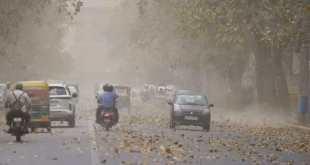
These warning signs have emerged at a time when Delhi is in the grip of smog and extremely poor air quality. The AQI has crossed 400 in various areas, even reaching “severe” or “hazardous” levels, and in some areas it has even crossed 500.
Dense fog engulfing the area has reduced visibility, causing massive disruption to operations:
aviation : Over 200 flights were canceled or diverted at Delhi airport in the last 24 hours.
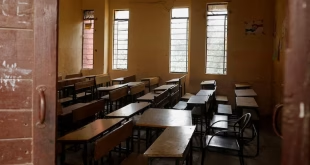
Education : The governments of Delhi, Noida and Ghaziabad have ordered schools to start digital or hybrid learning for children up to class 5.
education to deal with crisis
As a result of GRAP-4, the government has imposed strict measures, including a complete halt on all construction and demolition activities and directing offices to function at 50% capacity. Despite this, the capital’s air quality remains a serious health concern.