 look news india

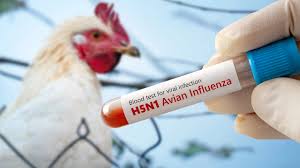
News India Live, Digital Desk: After the confirmation of ‘highly pathogenic’ strain of bird flu in the eastern districts of Nepal adjacent to the India-Nepal border, the Maharajganj district administration on Saturday (28 March 2026) has held an emergency meeting and declared high-alert in the entire district. So far, more than 1 lakh chickens have been culled in Jhapa and Morang of Nepal. In view of the danger, DM Santosh Kumar Sharma has given instructions to impose strict restrictions on random sampling and import of poultry products in the border areas.
1. Strictness like ‘lockdown’ on the border
There is a complete ban on entry of any bird, egg, grain or poultry related material coming from Nepal into Indian territory.
SSB and Police Alert: SSB and police at all small and big border gates including Sonauli have been instructed to immediately send back poultry vehicles coming from Nepal.
Supervision: Special teams of the Animal Husbandry Department are keeping an eye on the poultry farms in the border villages.
2. Administration’s preparation: ‘Rapid Response Team’ in the field
Under the leadership of Chief Veterinary Officer (CVO), concrete arrangements have been made in the district:
4 teams deployed: Special ‘Rapid Response Teams’ have been formed in all four tehsils of the district.
Control Room: For any information or information related to bird flu, the administration has issued a helpline number. 8765957965 Has been issued, which will be active from 6 am to 10 pm.
PPE Kit and Sampling: Adequate quantity of PPE kits have been made available in all tehsil level veterinary hospitals and samples of suspected birds are being sent to Lucknow lab.
3. Situation in Nepal: Even crows are in danger
A large number of people in Kathmandu (Kirtipur) of Nepal Crows Concern has increased further after he was found dead.
Jhapa and Morang: The infection in the commercial farms here is so severe that within just 4 days the entire farm has been cleaned.
Virus Strain: Lab testing has confirmed H5N1 as well as H9N2 virus, which is extremely fatal for chickens.
Safety Tips for poultry farmers and general public
Uncommon Death: If 5-10 birds suddenly die in a farm, immediately inform the local veterinary hospital.
cleanliness: Prohibit entry of outsiders into the farm and take care of sanitization yourself.
Eat fully cooked: According to health experts, there is no risk of infection by eating chicken and eggs thoroughly cooked above 70°C, but do not touch raw or undercooked meat.