 look news india

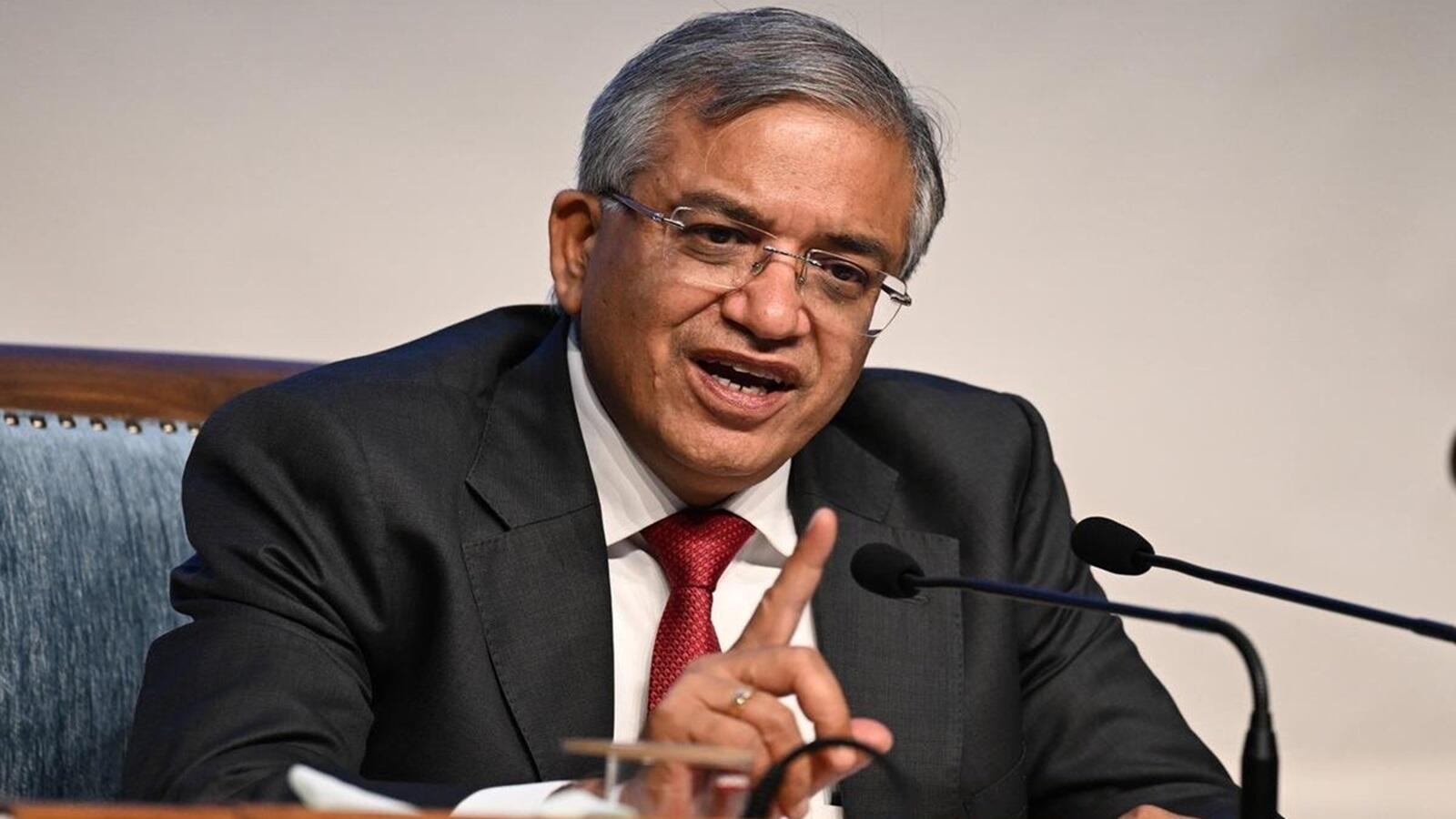
A new and very important report released by the International Institute for Democracy and Electoral Assistance (IDEA) has once again sparked a heated debate in Indian political circles. This global report clearly points to the continuous decline in the functioning of ‘Independent Political Parties’, their internal independence and overall democratic health in India. Since the report became public, discussions have intensified among political analysts, opposition parties and policy makers in the country and abroad, because being the world’s largest democracy, the entire world keeps an eye on India’s electoral system. In this entire scenario, many speculations are being made about the role of the Election Commission of India (ECI) led by Chief Election Commissioner (CEC) Gyanesh Kumar and the steps being taken by them. This tension between such assessments by global institutions and the Indian administrative system provides a new opportunity to deeply understand various aspects of democracy, making it clear how challenging a task it is to maintain a free and fair politics in modern times.
What does the IDEA report say about the current condition of India’s political parties?
This global index, published by the International Institute for Democracy and Electoral Assistance, evaluates the democratic institutions of countries around the world on the basis of various parameters. According to the report, in a large democratic country like India, internal democracy within political parties, transparency of decision-making process, and sources of funding have witnessed trends that may come in the way of independent political development. The report emphasizes that the centralization of leadership in many regional and national parties has increased to such an extent that opportunities for small and independent leaders to move forward are becoming limited. Apart from this, questions of transparency related to electoral bonds and other funding channels have also time and again highlighted how the influence of money power and muscle power in Indian politics is affecting the independent identity of independent political parties. On the basis of all these points, the report has presented a worrying picture of the Indian political system, which the opposition parties are seeing as the failures of the government.
Challenges and steps of the Election Commission under the leadership of Chief Election Commissioner Gyanesh Kumar
When such questions are being raised at the global level about Indian democracy and the independence of political parties, then the responsibility of the Election Commission of India (ECI) under the leadership of Chief Election Commissioner Gyanesh Kumar increases even more. The Election Commission is constitutionally bound to conduct free, fair and transparent elections in the country. During the tenure of CEC Gyanesh Kumar, the Election Commission has taken several stringent steps to make the electoral process more digital, accessible and transparent. From strict enforcement of the Model Code of Conduct to strict monitoring of election expenses and advertisements by political parties, the Commission is constantly striving to strengthen its administrative hold. However, reforming the internal structure of political parties does not directly fall under the direct jurisdiction of the Election Commission, as this requires political parties to have their own constitutions and laws made in Parliament. Despite this, it is expected that the Election Commission from time to time gives such guidelines and suggestions which can promote democratic values even within political parties.
Internal autonomy of political parties and the future of Indian democracy.
If we look at the history of Indian politics, there has always been ideological diversity and a strong existence of regional parties. From North to South and from East to West, there are hundreds of political parties active in India which vocally raise their respective regional and social issues. But the IDEA report draws attention to the fact that when internal elections within political parties are not held regularly and decisions are concentrated in the hands of a select few, the party itself becomes a ‘family or personal organization’ rather than an ‘independent party’. Such tendencies not only strangle talented leaders within the party, but also ultimately weaken the country’s democratic system from within. Political experts believe that if India has to improve its position in the global democracy index, then not only the Election Commission but also the political parties themselves will have to do serious introspection to improve their internal functioning.
Conclusion and way forward
This report of IDEA may have been prepared by an external organization, but the issues raised in it are not completely untouched by the ground reality of Indian democracy. The strength of independent political parties in the country is the biggest condition for a healthy democracy. The Election Commission, under the leadership of Chief Election Commissioner Gyanesh Kumar, is already engaged in implementing electoral reforms, but political will is equally needed. In the times to come, it will be very interesting to see whether Indian political parties are able to respond positively to these global concerns by bringing transparency in their internal workings or not, because the real beauty of democracy lies in public trust and impartiality of institutions.