 look news india

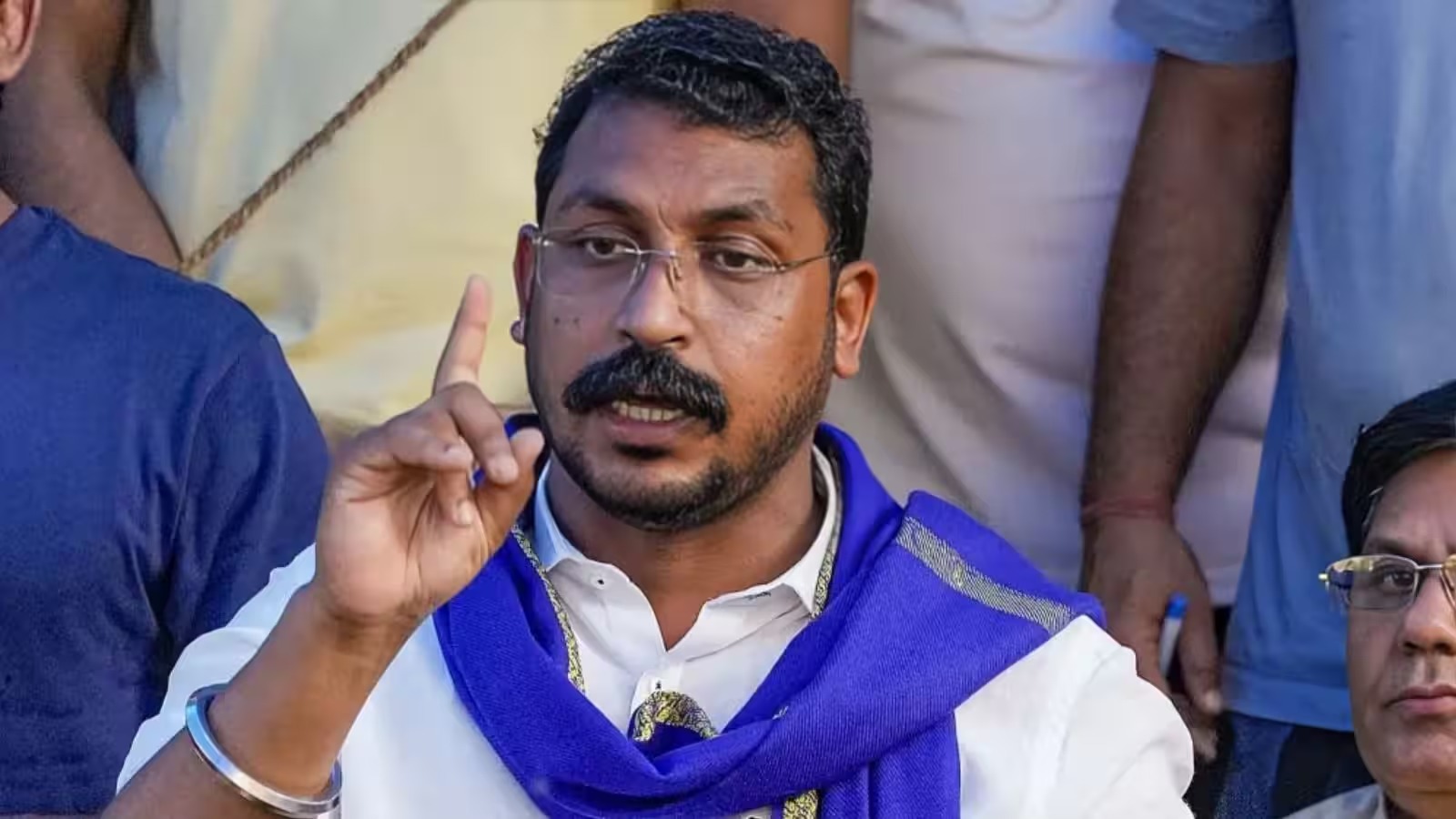
National President of Azad Samaj Party (Kanshi Ram) and MP from Nagina, Chandrashekhar Azad has made a big organizational and political bet for the upcoming political and electoral battle of Uttar Pradesh. While releasing its third list, Azad Samaj Party has announced the names of new in-charges for 34 important assembly constituencies of the state. As per tradition within the party, the leaders who are appointed in-charge of these assembly constituencies are considered to be declared official candidates of the party in the upcoming elections. With the arrival of this new list released by Chandrashekhar Azad, the buzz and excitement in the political corridors of Uttar Pradesh has become very intense, because this list seems to be completely focused on social balance and grassroots equations.
The biggest feature of this third list of Azad Samaj Party (Kanshi Ram) is its social fabric and ticket distribution strategy. Among the 34 assembly in-charges announced by the party, the dominance of leaders coming from backward, Dalit (Scheduled Caste) and Muslim (minority) communities is clearly visible. Through this strategy, Chandrashekhar Azad has tried to give representation to those sections of the society who have been marginalized in mainstream politics for a long time. A detailed analysis of the list reveals that instead of the upper castes of the general category, grassroots workers belonging to Dalit, Lodhi, Kushwaha, Jatav, Bhati, Diwakar, Saroj, Gautam and Muslim communities have been given preference.
Many very important seats of Western Uttar Pradesh, Rohilkhand, Central UP, Bundelkhand and Purvanchal have been included in this new list. Prominent announced names include Vinay Ratan Singh from Purkaji (Reserved) in Muzaffarnagar, Kamal Singh Walia from Rampur Maniharan (Reserved) in Saharanpur, Dr. Shakeel Ahmed from Kundarki in Moradabad, Pushpendra Jatav from Ghaziabad and Umesh Bhati Devta from Jewar in Gautam Buddha Nagar. Apart from this, Rashid Khan from Shikarpur in Bulandshahr, Jitendra Singh Lodhi from Chharra in Aligarh, Javed Qureshi from Agra South, Arjun Diwakar from Agra North, Hariom Lodhi from Amanpur in Kasganj, Mohd. from Bareilly. Sharif Alvi, Sushma Raj from Kasta (reserved) of Lakhimpur Kheri, Pooja Verma from Mahmudabad of Sitapur, Babli Gautam from Rasulabad (reserved) of Kanpur Dehat, Shiv Babu Saroj from Soraon (reserved) of Prayagraj, Mohammad Iftikhar from Kaptanganj of Basti, Mohd. from Rampur Karkhana of Deoria. Afroz Khan and Nadeem Akhtar from Didarganj of Azamgarh have been given the responsibility.
This latest move by Chandrashekhar Azad is being seen as a strong attempt to make a dent in the traditional vote bank of Bahujan Samaj Party (BSP) and Samajwadi Party (SP). New enthusiasm is visible among the workers due to the fielding of strong organizational faces like Bhim Army’s national co-founders Vinay Ratan Singh and Kamal Singh Walia as in-charges in the election field. Political analysts believe that by giving greater responsibility to the representatives of backward castes while forging an alliance between Dalits and Muslims, Azad Samaj Party is preparing a blueprint to establish itself strongly as a third party in Uttar Pradesh. It will be interesting to see in the coming days how deeply this new social experiment impacts the election results of the state.