 look news india

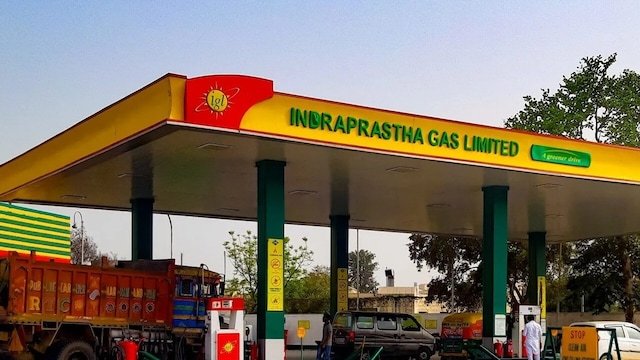
Lakhs of common citizens, auto drivers and cab drivers traveling in CNG vehicles in the National Capital Region (Delhi-NCR) have faced another big blow of inflation. Indraprastha Gas Limited (IGL), the major company handling natural gas distribution in the national capital and surrounding suburbs, has announced a direct increase in the retail prices of Compressed Natural Gas (CNG) by ₹ 3.89 per kg (about Rs 4). These increased new rates have come into effect with immediate effect from 6 am on Saturday. After this latest price increase, the price of CNG in Delhi has increased from ₹ 83.09 per kg to ₹ 86.98 per kg.
According to the new price chart released by Indraprastha Gas Limited (IGL), due to differences in local VAT and tax structure in different states, the new CNG rates in various cities of Delhi-NCR have been determined as follows:
-
National Capital Delhi: CNG price in Delhi has now reached ₹86.98 per kg after an increase of ₹3.89 per kg.
-
Noida and Greater Noida: Consumers in Noida and Greater Noida of Uttar Pradesh will now have to pay ₹95.59 per kg of CNG.
-
Ghaziabad: In Ghaziabad also the revised rate of CNG has been fixed at ₹95.59 per kg.
-
Gurugram (Haryana): The new price of CNG in Haryana’s Cyber City Gurugram has increased to ₹ 92.01 per kg.
-
Meerut, Muzaffarnagar and Shamli: The revised retail price in Meerut region has reached ₹95.47 per kg.
-
Domestic PNG: It is a matter of relief that there has been no change in the prices of cooking gas (PNG) supplied through pipes to homes and its rate in Delhi remains stable at ₹ 49.59 per standard cubic meter (SCM).
The main reasons behind this sharp increase in CNG prices are international geopolitical tensions and the deepening crisis in Middle East. According to the official statement of IGL, to meet the increasing domestic demand of CNG in India, a large part of the gas has to be imported from abroad in the form of Liquefied Natural Gas (LNG). Due to the ongoing conflict in West Asia and disruptions in logistics and shipping in the global energy corridor i.e. Strait of Hormuz, there has been a huge jump in the prices of LNG in the international spot market.
According to the company, there has been an unexpected increase in the cost of input gas due to the rise in international gas benchmark indices. To partially offset the financial burden of this increased import cost and maintain uninterrupted supply of gas, it was necessary to make a calibrated revision in prices of ₹ 3.89 per kg.
This is the 5th increase in CNG prices this year for Delhi-NCR consumers. Earlier in the month of May also, citing the global energy crisis, a total increase of up to ₹ 6 per kg was made in a span of a few days. Due to the sudden increase in prices, the monthly budget of thousands of auto-rickshaw drivers plying in the capital, drivers of app-based cabs like Ola-Uber and private CNG car owners has been disturbed. Transport unions say that the continuous increase in fuel cost is directly affecting their daily earnings, due to which they are appealing to the government to consider the demand for fare revision.
The effect of increase in CNG price is not limited to the drivers only, but it affects the entire supply chain network. Most of the light commercial vehicles (LCVs) transporting fruits, vegetables, milk and everyday groceries in Delhi-NCR run on CNG. Due to costlier fuel, transportation costs will increase, which can have a direct impact on the retail prices of essential food items in the coming days. Along with this, the possible increase in private cab and auto fares will also put additional burden on the pockets of middle class working people who commute to office daily.
Energy sector experts believe that until the tension on the maritime trade routes of West Asia is completely calmed down, international LNG and crude oil prices may remain volatile. However, IGL and public sector oil-gas companies say that despite the price of LNG almost doubling in the global market, it has had only a limited and measured impact on domestic consumers in India. Adequate gas inventory in the country and long-term import agreements are ensuring that there is no shortage of fuel in the industrial and transportation sectors.