 look news india

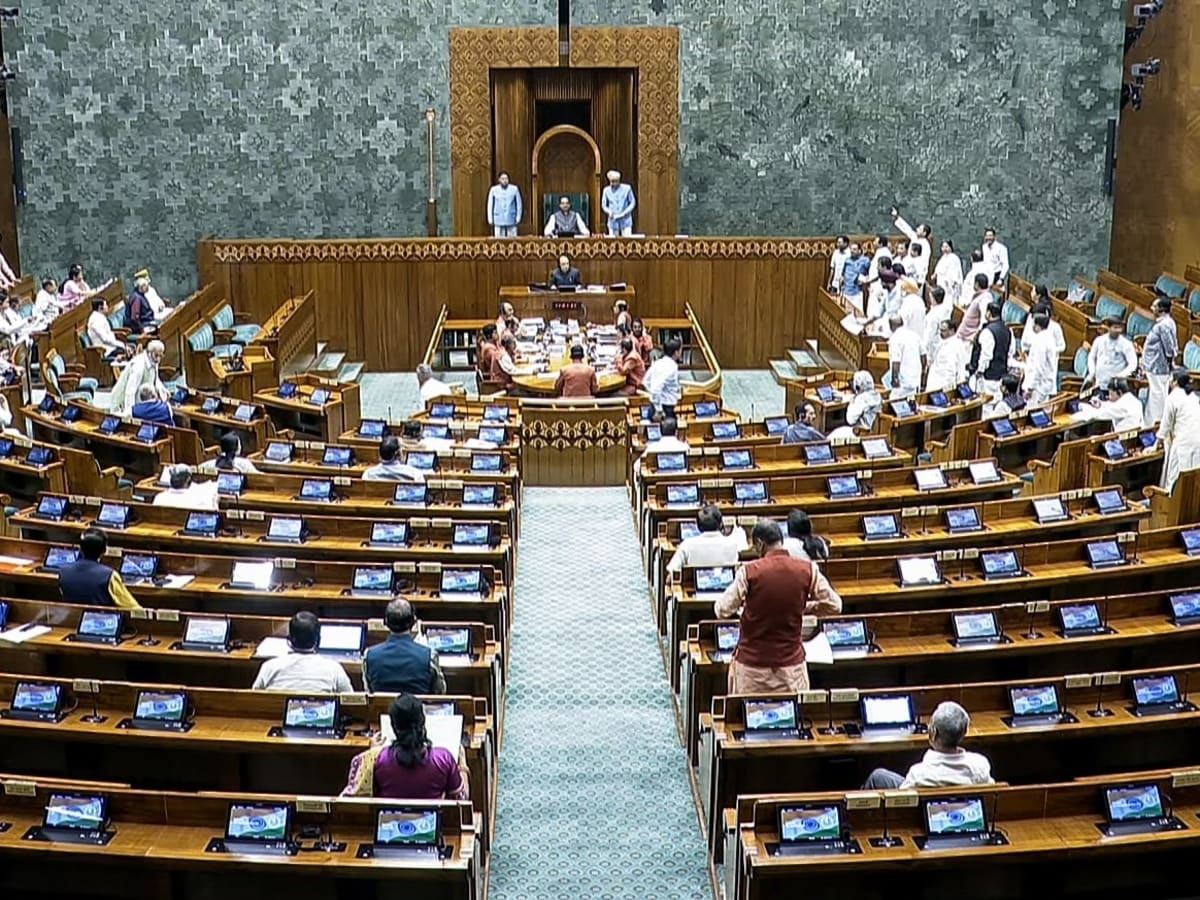
Big challenges have arisen in front of the efforts of the Central Government regarding Prime Minister Narendra Modi’s dream project ‘One Nation, One Election’ i.e. one country, one election. The possibility of delay in the report of the Joint Parliamentary Committee (JPC), which is examining the bill introduced to hold Lok Sabha and Assembly elections simultaneously, has created a stir in political circles. Experts believe that we may have to wait a long time for this ambitious reform to be implemented on the ground.
JPC report likely to be delayed, tenure may increase
According to information received from sources, the JPC, which is reviewing the details of the bill related to ‘One Nation, One Election’, will hardly be able to present its report in the upcoming monsoon session. Although the Lok Sabha had extended the tenure of the committee till the last day of the monsoon session, the process of consultation with stakeholders across the country is still incomplete. This 39-member committee, headed by BJP MP PP Chaudhary, is currently examining the Constitution (129th Amendment) Bill, 2024 and the Union Territory Laws Amendment Bill. This committee, which has visited 10 states so far, may seek more time from the Center to finalize its recommendations.
Low hopes of elections before 2034
The seriousness of this entire matter can be gauged from the fact that the Chairman of the panel has clearly indicated that even after the completion of the legislative process, it is almost impossible to hold simultaneous elections in the entire country before 2034. The central government argues that this will avoid the heavy financial burden of frequent elections and will eliminate obstacles in development work due to the code of conduct. On the contrary, the opposition believes that it could pose a threat to India’s federal structure and the constitutional rights of the states.
Challenge of numerical strength: The path is not easy for NDA
To implement ‘One Nation, One Election’ it will be mandatory to amend Articles 83, 172 and 324A of the Constitution. For this, not simple but special majority is required in the Parliament. Three major conditions are mandatory for passing a Constitution Amendment Bill: two-thirds majority in the Lok Sabha and Rajya Sabha and the approval of at least 50% of the state legislatures in the country. If we look at the current figures, NDA will have to struggle hard to reach the magic figure of 362 seats in the Lok Sabha and 164 seats in the Rajya Sabha. However, being in power in 20 states, gaining the support of the states may prove to be a comparatively easier task for the NDA. The government is now also working on the possibility of linking this project to the delimitation bill so that political support can be garnered.
Meta Description:
Google Keywords: One Nation One Election, One Country One Election, Lok Sabha Elections 2029, Electoral Politics of India, JPC Report, Constitution Amendment Bill, Delimitation Bill, Modi Government News, Indian Politics, Election News Hindi.