 look news india

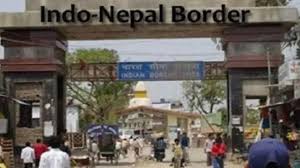
News India Live, Digital Desk: The era of ‘free shopping’ that has been going on for decades on the India-Nepal border has now come to a halt. of Nepal Balendra Shah The government has increased strictness on goods coming from India to reduce revenue losses and protect its local markets. According to the new order, now ‘Bhansar’ (customs duty) will have to be paid if goods worth more than Rs 100 are taken to Nepal. This rule is applicable not only on commercial goods but also on ration, clothes and everyday items purchased by common citizens.
Why was this tough decision taken?
Mainly two big reasons are being given behind this step of Nepal Government:
Promotion of local market: Traders from Nepal’s border cities (like Birgunj, Nepalgunj, Viratnagar) complained that people go to India to buy household goods, which is ruining Nepalese business.
Preventing theft of revenue: The Nepal government was losing crores of rupees in revenue due to small-time illegal smuggling from across the border and goods coming without tax.
‘Miking’ and strictness on the border: 24 hour surveillance
of Nepal Armed Police Force (APF) has started making announcements through loudspeakers in border areas like Raxaul (Bihar), Jogbani, Araria and Banbasa-Jhulaghat border of Uttarakhand.
Seizure of Goods: The goods of those who are not following the rules are being confiscated.
Long queues: The limit of ₹100 is so low that even after buying one kilo of good tea leaves or a few packets of biscuits, people have to stand in queues at the Bhansar office for hours.
Silence in Indian markets: increased concern of traders
The biggest blow of this decision has been felt by the markets of Bihar, Uttar Pradesh and Uttarakhand which were dependent on Nepali customers:
Raxaul Chamber of Commerce According to , daily sales have declined by more than 50%.
Effect on marriage season: During the wedding season, Nepali citizens used to buy clothes, jewelery and utensils from India, which has now almost stopped due to tax burden.
Vegetable and ration market: There has been a huge reduction in the supply of milk, vegetables and ration going to Nepal in the border markets.
Increased troubles of common citizens
People living on both sides of the border, who have family ties and relatives, are most troubled by this rule. He is calling the limit of Rs 100 as “practically impossible”. He says that this rule will only increase corruption and cause unnecessary trouble to the general public.