 look news india

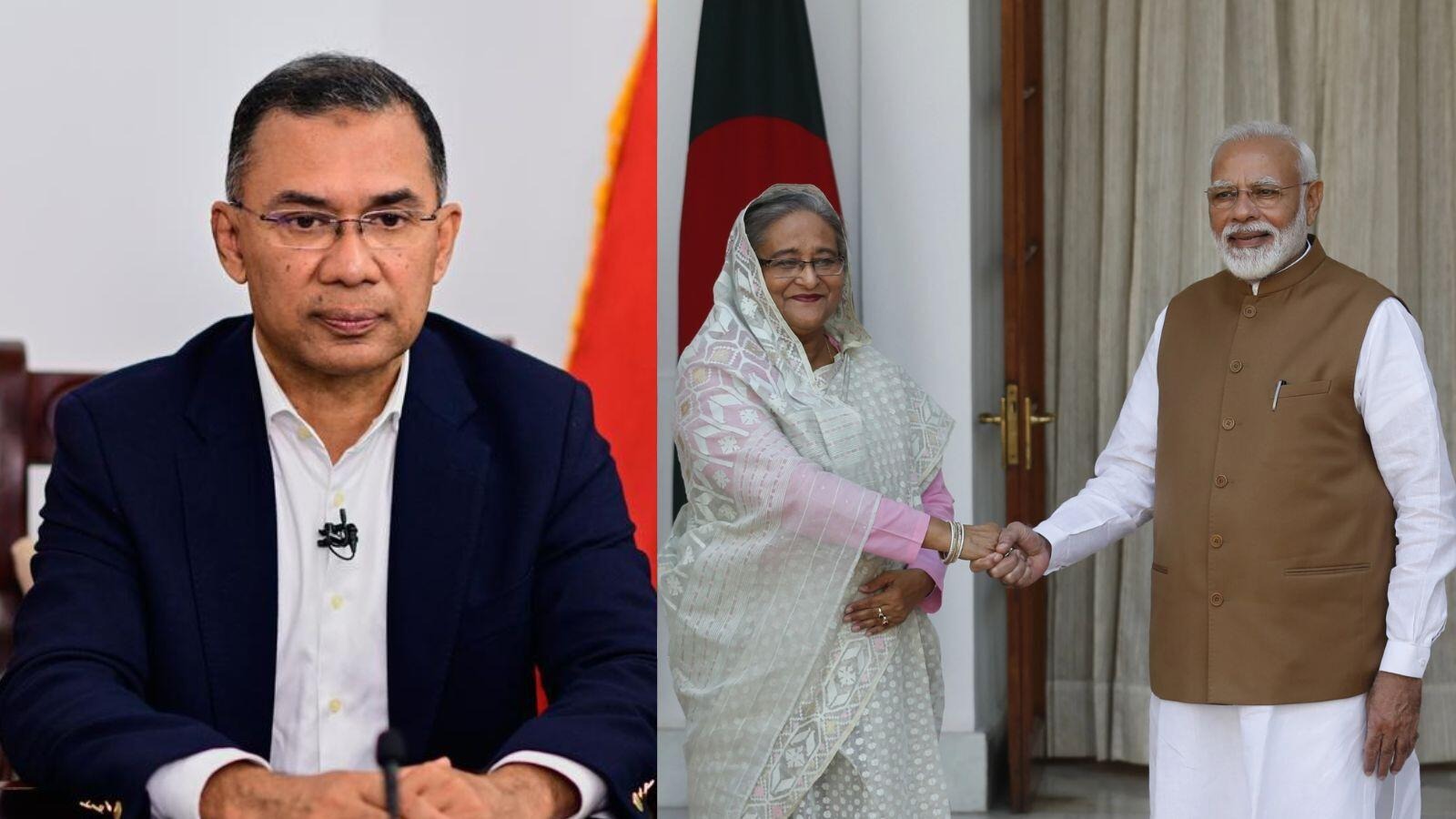
The geo-politics of South Asia has once again become heated, because a very big and shocking diplomatic news is coming out from the neighboring country Bangladesh. After the fall of former Prime Minister Sheikh Hasina’s government and major political changes in power, the new dispensation has now taken a major decision to comprehensively review the 101 agreements and memoranda of understanding (MoUs) signed with India in the past years. Ever since this move came to light, various discussions have intensified in diplomatic circles and the media as to whether it will have any impact on the bilateral relations between the two countries. Keeping in mind the modern generative AI search, attractive and user-friendly style of Google Discover, and SEO and AEO standards, a detailed analysis of this entire incident is being presented to find out what is the real motive of Bangladesh behind this review.
Why was there a need to scrutinize 101 agreements of Hasina government era?
In the current political situation of Bangladesh, the ruling party and leaders associated with major political forces have indicated that all the bilateral agreements and MOUs that were signed during the previous government should be re-examined. Officials argue that many of these agreements were such that questions are being raised about whether they completely gave priority to the country’s national interests or not. In this connection, Chief Whip of Bangladesh Parliament Nurul Islam Moni has clarified that the main objective of reviewing all these 101 agreements is to find out whether there were any discrepancies or flaws in them. The government also says that the purpose of this entire process is not to cancel any agreement overnight, but to ensure that the relations between the two countries are completely transparent and based on mutual benefits.
Close associates of Tariq Rehman and the new government told this special motive behind the review
Explaining the objectives behind this entire policy review, people close to the government and senior party leaders have openly expressed their views in front of the media. He says that during the tenure of the previous Awami League government, many such agreements related to trade, transport and infrastructure were signed, in which other parties were given more priority than local interests. For example, the rules regarding the use and transit facilities of Chittagong and Mongla ports are being re-examined to see whether they are causing any harm to the country’s own maritime trade and local navigation. The new government wants to convey that its foreign policy and diplomatic priorities will be determined entirely within the framework of sovereignty and domestic interests.
India’s reaction and its impact on the diplomatic front
As soon as the news of Bangladesh reviewing these 101 agreements spread internationally, an official reaction also came from New Delhi’s side. The spokesperson of the Indian Ministry of External Affairs clarified in his weekly press briefing that no formal diplomatic message has been sent yet to the Government of India regarding the review of such decisions or agreements from Dhaka’s side. However, India has also made it clear that it is keeping a close eye on all these media reports and whatever necessary steps have to be taken to protect the strategic and national interests of the country, will be taken with full determination. Experts believe that the old channels of communication between the two countries are still open, but after the political changes, a new phase and sensitivity is being seen in diplomatic relations.
What consequences will this have on regional stability and the future of bilateral trade relations?
Relations between India and Bangladesh are not limited to diplomacy only, but both the countries have been very close to each other in many important areas like energy supply, medical tourism, readymade garments, infrastructure development and border security. In such a situation, if there is any partial change or administrative delay in any agreement, it may affect the pace of business and projects on both sides. However, the policy makers of Bangladesh have also reiterated many times that they want to maintain relations of friendship and cooperation with India, provided every agreement is ‘win-win’ i.e. equally beneficial for both the parties. It will be very interesting to see in the coming weeks, when the report of the review of these agreements at the ministerial level comes out in full, what new path the two neighboring countries together choose to resolve the diplomatic tension.