 look news india

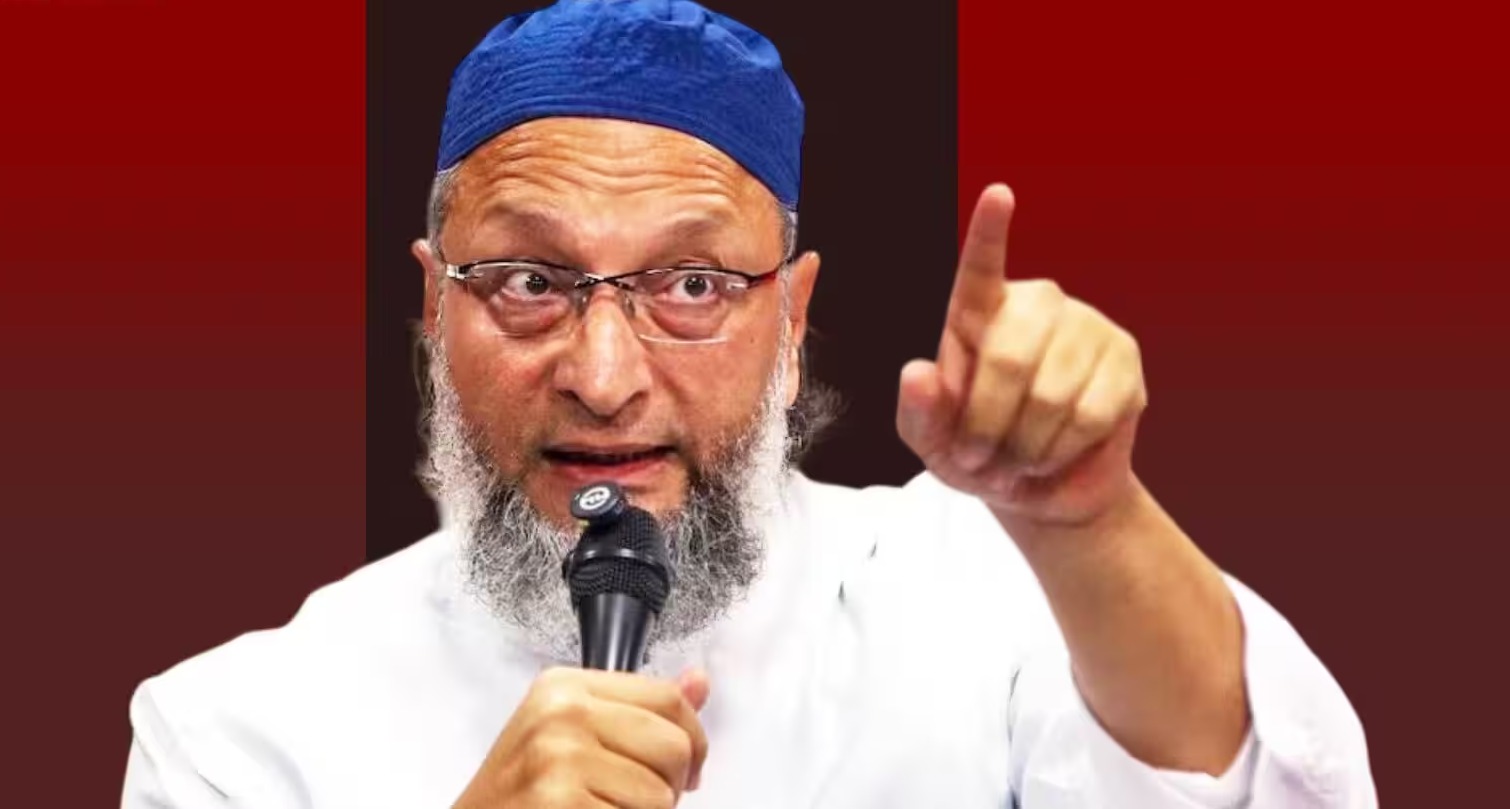
Asaduddin Owaisi, President of All India Majlis-e-Ittehadul Muslimeen (AIMIM) and MP from Hyderabad, counted among the most vocal and outspoken speakers of Indian politics, has once again given a very sharp and controversial statement regarding equality and personal law in the country. Owaisi has clearly stated in a public forum that he and his community do not advocate any law or concept which is against their religious beliefs. He clarified that he and his followers are full followers of the ‘Quran and Sunnah’ (traditions of the Prophet). This statement of Owaisi has come at a time when there is a continuous debate in the country regarding the Uniform Civil Code (UCC) and the principles of modern equality. Owaisi expressed his views by openly attacking the current political and legal scenario of the country, after which the war of words has once again intensified in the political circles. His statement has given rise to a new debate regarding the country’s secular structure, personal law and rights of religious freedom, on which reactions have started coming from various political parties and religious organizations.
The manner in which Asaduddin Owaisi, during his speech, while targeting the concept of modern equality, said that “We stumble upon such equality”, has created a stir from social media to TV debates. His argument was that if there is forced interference in the religious and personal laws of a community in the name of modern equality or laws, then it cannot be accepted at all. Owaisi believes that in a multicultural and diverse country like India, every religion and community has been given complete freedom by the Constitution to live life according to its religious texts and traditions. He also alleged that under the influence of a particular class and political ideology of the country, efforts are being made to weaken the identity of Indian Muslims and their family laws. Owaisi tried to send a message to his party and supporters that he would not tolerate any kind of outside interference in matters related to his religious identity and Sharia. His aggressive stance is also being seen as a deliberate strategy to strengthen his political vote bank and ideological stance, which is often seen vocal on such issues.
This latest statement of Asaduddin Owaisi is directly related to the Uniform Civil Code which has become a topic of discussion in the country and the personal laws of different communities. Article 44 of the Constitution of India talks about implementing uniform law for the entire country under the Directive Principles, about which debate has been going on at the political and legal level for a long time. While government supporters argue that there should be uniform laws for all citizens of the country in matters like marriage, divorce, inheritance and adoption to ensure gender equality and social justice, Muslim leaders like Owaisi and many other opposition parties call it a direct attack on religious freedom. He says that the beauty of India lies in its diversity and here people of every religion have the right to live under their personal laws. This statement of Owaisi is a part of this ideological conflict, in which he has been continuously claiming that the government wants to limit the rights of minorities. Such statements often heat up the political atmosphere of the country and become a major polarizing issue during elections or other occasions.
After this statement of Asaduddin Owaisi, the country’s main ruling party Bharatiya Janata Party (BJP) and other Hindu organizations have launched a scathing attack on him. BJP spokespersons and leaders say that this statement of Owaisi is a direct insult to the country’s constitution, law and modern justice system. They argue that when the country’s Constitution talks about gender justice and equal rights for all citizens, then placing any particular religious law above the Constitution is against the unity and integrity of the country. Critics also say that Owaisi makes such provocative statements only to earn his political gains and to promote disharmony and religious polarization in the society. A section of the country’s judiciary and legal experts also believe that improving the society with time and changing the laws to provide equal rights to women is an essential part of the modern democratic system. Contrary to the arguments of Owaisi and his supporters, a large section of the country supports that there should be a uniform law in the country which provides equal protection and rights to every citizen irrespective of caste, religion and gender.
This statement of Asaduddin Owaisi is once again proof of how sensitive and complex a task it is to strike a balance between individual freedom, religious rights, gender equality and unity of the nation in a huge democratic country like India. On one hand, the modern times demand that every citizen of the country, especially women, should get equal legal rights and should not be discriminated against in the name of any religion, on the other hand, there are deep concerns within the minority communities to save their religious identity and cultural heritage. Owaisi’s style has always been aggressive and fighting for the rights of his community, and his statement is another live chapter of this ideological fight. In the coming days, it will be very interesting to see whether the government takes any concrete steps regarding Uniform Civil Code or other legal reforms in the country and how the country’s politics reacts to it, but for now, this statement has once again opened the doors of religious and legal debates on the stage of Indian politics.