 look news india

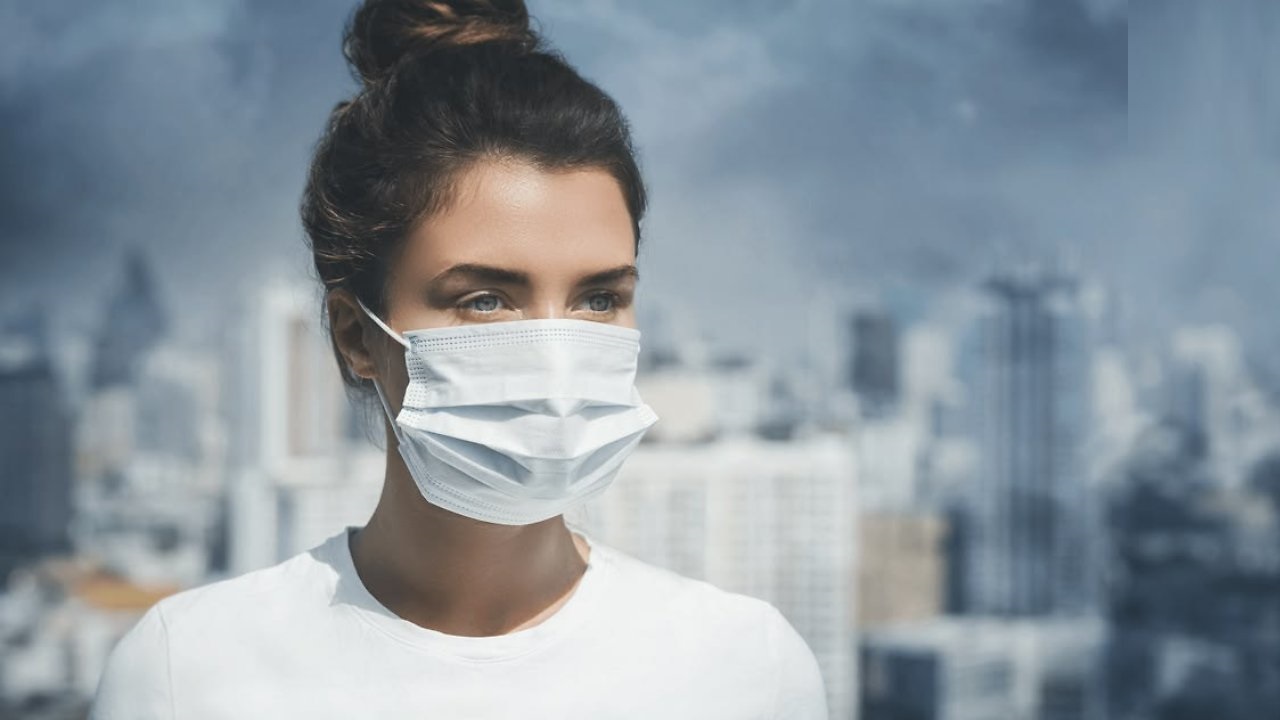
With the onset of winter, the Air Quality Index (AQI) reaches dangerous levels in the plains of North India. When the density of fine dust particles (PM 2.5 and PM 10), nitrogen dioxide and other poisonous gases increases in the air, its first effect is on our body. Often people dismiss it as a normal effect of changing weather or seasonal cold, but according to medical experts, as soon as our body comes in contact with polluted air, it starts giving initial signals in the form of immune response. If these symptoms are not recognized early and precautions are not taken, it can cause permanent damage to the lungs, heart and nervous system.
Sulfur dioxide and carbon particles present in the air directly come in contact with the outer layer of the eyes i.e. cornea. When AQI crosses 200, a feeling of stinging, dryness and severe burning sensation starts in the eyes as soon as you go out. Continuous watering from the eyes and redness of the edges of the eyelids are a clear indication that the amount of toxic chemicals in the air has increased. To avoid this, wear protective glasses while going out and wash your eyes with cold, clean water after returning home.
On breathing polluted air, first of all there is swelling in the mucus membrane of the windpipe. Due to this, there is frequent feeling of dryness in the throat, difficulty in talking and frequent attacks of dry cough. Many people feel as if a particle of dust is stuck in their throat. This is a sign that particulate matter is accumulating in your upper respiratory tract. Gargling with salt in lukewarm water two to three times a day and taking steam provides primary relief in this condition.
If you start feeling short of breath or feel heaviness on the chest while climbing stairs, walking fast or doing some work, then do not take it lightly. Ultrafine particles like PM 2.5 are so fine that they reach deep into the lungs i.e. alveoli and impede the absorption of oxygen. Due to this the heart has to work harder to pump blood. People who are already suffering from asthma or bronchitis may have increased need for inhalers during this period.
Air pollution is not limited to the respiratory tract only. Toxic particles enter the bloodstream directly through the lungs. Mixing of carbon monoxide and PM particles in the blood reduces the supply of oxygen reaching the brain. Due to this, problems like heaviness in the head after waking up in the morning, constant light headache, irritability and inability to concentrate on any work arise. Drinking adequate amount of water helps in flushing out toxins from the body.
Our skin is the largest organ in direct contact with the atmosphere. Acidic elements present in the air and smog damage the natural oil barrier of the skin. As soon as AQI levels rise, symptoms like itching, dryness, rashes and eczema suddenly start appearing on the face and arms. Complaints of acne and allergies increase rapidly in people with sensitive skin. After coming from outside, it is very important to wash the face with a mild cleanser and use moisturizer.
Serious health risks can be avoided by making some precautionary changes in your daily routine in the early stages of pollution:
-
Use of N95 or N99 mask: Normal cloth mask cannot stop micro particles, hence wear only a good quality N95 mask while going out.
-
Change time of outdoor walk: The concentration of smog is highest near the ground in the morning and late evening, so instead of a morning walk, take a light walk in the afternoon or on sunny days.
-
Antioxidant Rich Diet: Include Vitamin C (Amla, Orange), ginger, turmeric milk, basil decoction and jaggery in your diet, so that the body’s immunity remains strong.
-
Keep home air safe: To prevent dust inside the house, use wet mop, keep indoor plants (like snake plant, money plant) and use air purifier if necessary.