 look news india

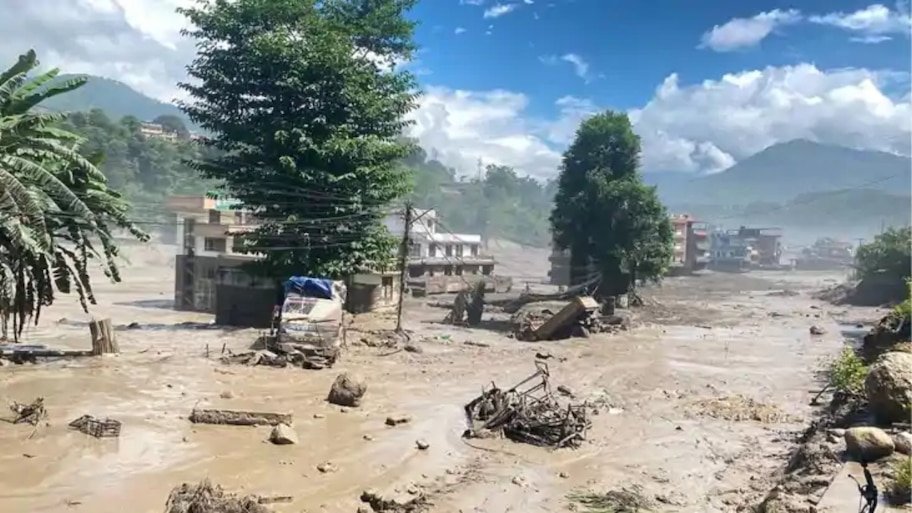
The borders of India and Nepal are not only political but also linked by a shared and rich water system (River Basin Network). Dozens of rivers originating from the Himalayas descend from the high mountains of Nepal and enter the plains of India—especially Uttar Pradesh and Bihar. Often this question arises in the minds of people whether the fast flowing ‘Bhotekoshi’ river of Nepal and the ‘Kosi’ river which brings tragedy of floods every year in Bihar are the same? Along with this, there is a lot of confusion regarding the names of Trishuli, Narayani and Gandak rivers. It is very interesting to understand the entire journey of these rivers from their origin, confluence and entry into the plains.
In simple words, Bhotekoshi and Kosi of Bihar are not completely ‘same main stream’, rather Bhotekoshi is a primary tributary of the huge Kosi river system.
-
Origin of Bhotekoshi: The meaning of the word ‘Bhote’ is related to Tibet. This river originates from the Himalayan glaciers in the Tibet Autonomous Region, where it is called ‘Poiqu’. When this stream crosses the border and enters Nepal, it is known as ‘Bhotekoshi’. It is famous all over the world for adventure sports and white water rafting in Nepal.
-
Merged into Sunakoshi: Moving further inside Nepal, Bhotekoshi river joins ‘Sun Kosi’ river.
-
Construction of Saptakoshi: In the eastern part of Nepal, seven major mountain rivers like Sunakoshi, Arun and Tamor join together to form ‘Saptakoshi’.
-
Kosi in Bihar: When the same Saptakoshi leaves the Terai region (Chatra Gorge) of Nepal and enters India near Supaul district of Bihar, it is officially called ‘Kosi River’. Therefore, Bhotekoshi is basically a part of the huge water storage area of Kosi river which gives the Kosi a huge form by bringing water from Tibet.
The journey of the Gandak river system also starts from the high peaks of the Himalayas. ‘Trishuli River’, which originates near the central Nepal and Tibet border, is considered one of the most important and sacred rivers of Nepal.
-
Importance of Trishuli: According to Hindu religious beliefs, when Lord Shiva drank Halahal poison, he struck the Himalayas with his trident and brought out a stream of water, which was called Trishuli.
-
Confluence of Sapta Gandaki: Apart from Trishuli, six other major rivers – Kali Gandaki, Budhi Gandaki, Seti Gandaki, Marsyangadi, Madi and Darundi meet in the central part of Nepal. The combined form of these seven streams is called ‘Sapta Gandaki’ in Nepal.
-
Sangam and Narayani names at Devghat: When the Trishuli river meets the huge ‘Kali Gandaki’ at the famous pilgrimage site of Nepal ‘Devghat’, then the name of this combined stream is changed. ‘Narayani River’ (Narayani River). The river flowing along the Chitwan National Park of Nepal is actually Narayani.
When Nepal’s fast-moving Narayani River crosses the Shivalik mountain ranges while flowing south, it reaches the India-Nepal international border.
-
Entry at Valmiki Nagar Barrage: This river enters the Indian border near ‘Valmiki Nagar’ located in West Champaran district of Bihar.
-
Gandak and Shaligrami names: Narayani River as soon as it enters India ‘Gandak River’ (Known as Gandak River). Due to the sacred ‘Shaligram’ stone found in the bed of this river, it is religiously called ‘Shaligrami’ and in ancient texts it is also called ‘Sada Neera’ (always filled with water).
-
Mahasangam in Ganga: The Gandak River flows through the districts of West Champaran, East Champaran, Gopalganj, Siwan, Saran, Muzaffarpur and Vaishali in Bihar and finally merges with the Holy River Ganga near Hajipur-Sonpur near Patna. The world famous Harihar Kshetra Fair of Sonpur is held on the banks of the confluence of Gandak and Ganga.
Both Kosi and Gandak rivers form the backbone of the geography, agriculture and economy of North Bihar, but their nature is quite different:
-
Kosi (Sorrow of Bihar): Kosi river brings with itself a large amount of silt and sand from the Himalayas. Due to the low slope in the plains, silt accumulates, causing the river to frequently change its course. In the last 200 years, Kosi has displaced more than 100 kilometers from east to west, due to which it is called the ‘Sorrow of Bihar’.
-
Gandak (lifeline of agriculture and irrigation): On the other hand, the water flow of the Gandak River is relatively more stable and controlled. The ‘Triveni Barrage’ located at Valmiki Nagar and the Gandak canal system irrigate millions of hectares of fields in North Bihar and Eastern Uttar Pradesh, making the region the center of bumper production of rice, wheat and sugarcane.
Geographically both these river systems can be understood in simple order as follows:
-
Kosi Tantra: Poikw (Tibet) ➔ Bhotekoshi (Nepal) ➔ Sunakoshi (Nepal Terai) ➔ Kosi River (Bihar) ➔ Ganga River (Kursela, Katihar).
-
Gandaka Tantra: Trishuli + Kali Gandaki ➔ Confluence at Devghat ➔ Narayani River (Nepal) ➔ Valmiki Nagar Barrage ➔ Gandak River (India/Bihar) ➔ Ganga River (Sonpur/Hajipur).
Nepal’s Bhotekoshi, Trishuli and Narayani are actually the original sources of India’s Kosi and Gandak rivers. The names may change depending on the borders and regions, but their water flow reflects the unbreakable natural relationship between India and Nepal.